
Is Aromatherapy Blends for Seasonal Mood Regulation Safe? Uses, Benefits and Precautions
Introduction
Aromatherapy, the therapeutic use of essential oils, has gained popularity as a natural approach to enhance well-being. Particularly relevant during transitional seasons, aromatherapy blends are often utilized to regulate mood and alleviate seasonal affective symptoms. This article explores what aromatherapy blends for seasonal mood regulation entail, their benefits, common applications, and necessary precautions to ensure safe use.
What Is Aromatherapy Blends for Seasonal Mood Regulation?
Aromatherapy blends for seasonal mood regulation are combinations of essential oils specifically chosen for their psychological and emotional benefits. These blends aim to address mood fluctuations often experienced during seasonal changes, such as winter blues or springtime allergies. By inhalation or topical application, these blends can create an atmosphere conducive to emotional balance and overall well-being.
Essential oils are extracted from various parts of plants, including leaves, flowers, roots, and bark. Each oil possesses unique properties that contribute to its therapeutic effects. When combined, these oils can enhance one another’s benefits, creating a synergistic effect in promoting mood regulation.
Key Benefits and Properties
The essential oils typically used in aromatherapy blends for mood regulation are known for their uplifting and calming properties. Here are some commonly included oils and their associated benefits:
1. Lavender (Lavandula angustifolia): Renowned for its calming effects, lavender can help reduce anxiety and promote relaxation, making it beneficial during periods of stress.
2. Bergamot (Citrus bergamia): This citrus oil is often used for its mood-enhancing properties. It may help alleviate feelings of sadness and promote a sense of joy.
3. Peppermint (Mentha piperita): Known for its invigorating scent, peppermint can help boost energy levels and increase mental clarity, making it particularly effective during sluggish seasons.
4. Frankincense (Boswellia carterii): This oil is valued for its grounding properties, which can help reduce feelings of anxiety and promote emotional stability.
5. Ylang Ylang (Cananga odorata): Often associated with feelings of joy, ylang ylang can help reduce stress and enhance mood.
These essential oils, among others, can be blended in various proportions to suit individual preferences and needs, creating personalized aromatherapy experiences.
Common Uses
Aromatherapy blends for seasonal mood regulation can be utilized in various ways:
1. Diffusion: Using an essential oil diffuser, blends can be dispersed into the air, allowing the aromatic molecules to be inhaled. This method is popular for creating a conducive environment for relaxation or focus.
2. Topical Application: Diluting essential oils in a carrier oil (such as jojoba or coconut oil) allows for safe topical application. This method can provide localized benefits, especially when applied to pulse points or areas of tension.
3. Inhalation: Direct inhalation from the bottle or a cotton ball can offer immediate effects, making it a quick way to enhance mood in stressful situations.
4. Bathing: Adding essential oils to bathwater can create a soothing experience, allowing for both physical relaxation and mood enhancement.
5. Massage: Incorporating aromatherapy blends into massage therapy can deepen relaxation and improve emotional well-being.
Aromatherapy Applications
The application of aromatherapy blends can be tailored to individual needs and preferences. Here are some popular formulations for different seasonal challenges:
- Winter Blues Blend: A combination of bergamot, lavender, and frankincense can help lift spirits during the darker months.
- Spring Awakening Blend: A blend of peppermint, lemon, and ylang ylang can invigorate the senses and promote an uplifting atmosphere as the seasons change.
- Autumn Comfort Blend: Combining cinnamon, clove, and orange can create a warm, comforting environment as temperatures drop.
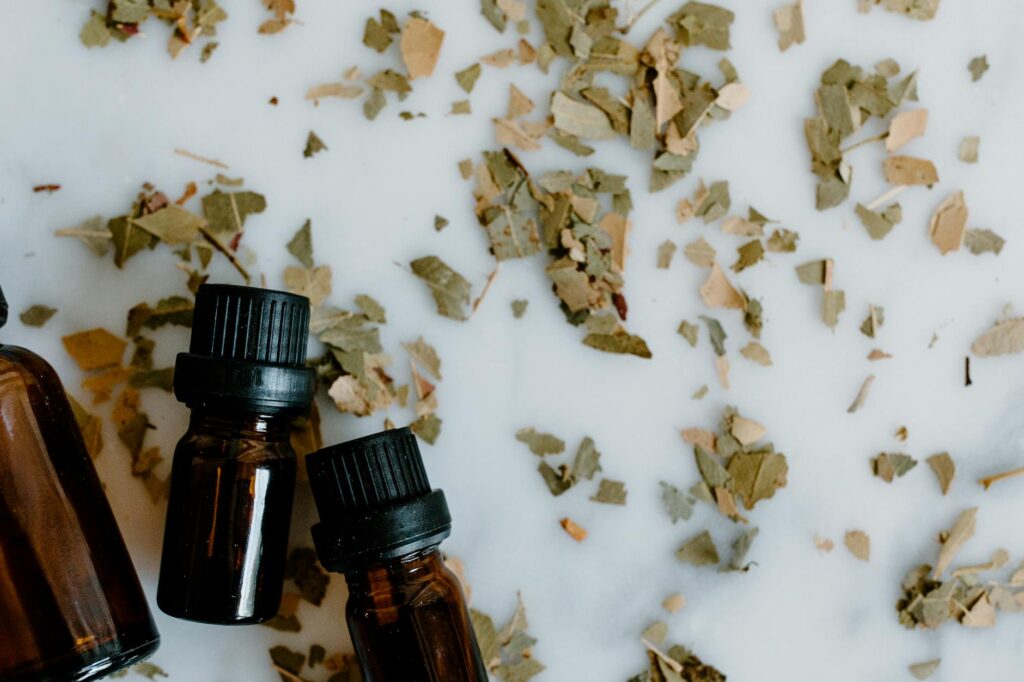
- Containers: Store essential oils in dark glass bottles to protect them from light, which can degrade their quality.
- Temperature: Keep oils in a cool, dry place, away from direct sunlight and heat sources.
- Shelf Life: The shelf life of essential oils varies by type. Generally, citrus oils have a shorter shelf life (1-2 years), while oils like patchouli and sandalwood can last for several years if stored properly.
Safety Considerations
While aromatherapy can be beneficial, it is essential to consider safety precautions:
1. Dilution: Essential oils should never be applied directly to the skin without dilution. A safe ratio is typically 1-2 drops of essential oil per teaspoon of carrier oil.
2. Quality of Oils: Use high-quality, pure essential oils from reputable sources. Synthetic fragrances may lack therapeutic properties and could cause irritation.
3. Sensitivity Testing: Conduct a patch test before using a new essential oil blend on the skin. Apply a small amount to an inconspicuous area and monitor for any adverse reactions.
4. Pregnancy and Nursing: Certain essential oils may not be safe during pregnancy or while nursing. It is advisable to consult with a professional before use.
5. Medical Conditions: Individuals with certain medical conditions or those taking medications should consult a healthcare provider before using essential oils, as some oils may interact with medications or exacerbate specific health issues.
6. Pets and Children: Be cautious when using essential oils around pets and small children, as some oils can be harmful to them. Always research specific oils for safety in these circumstances.
Storage and Shelf Life
Proper storage of essential oils is crucial to maintaining their potency and effectiveness. Here are some guidelines:
Frequently Asked Questions
1. Are aromatherapy blends effective for everyone?
Aromatherapy effects can vary significantly from person to person. Factors such as individual sensitivity to scents, personal preferences, and psychological associations with specific aromas can influence the efficacy of aromatherapy blends.
2. How long do the effects of aromatherapy last?
The duration of effects can vary based on the method of application and individual metabolism. Inhalation may result in immediate but short-term effects, while topical application may provide longer-lasting benefits.
3. Can I create my own blends?
Yes, creating personalized blends can be a rewarding experience. However, it is essential to research the properties and safety of each oil before combining them.
4. Are there any contraindications for specific essential oils?
Certain essential oils may be contraindicated for individuals with specific health conditions or for use during pregnancy. Always consult with a professional if unsure about the safety of particular oils.
5. Is it safe to use essential oils in a diffuser while sleeping?
Using a diffuser in the bedroom can create a relaxing atmosphere conducive to sleep. However, it is advisable to use oils known for their calming properties, such as lavender, and to ensure the diffuser is set to turn off after a specified duration.
Conclusion
Aromatherapy blends for seasonal mood regulation offer an intriguing approach to enhancing emotional well-being during transitional periods. While these blends can provide a range of benefits, it is crucial to utilize them safely and with awareness of individual needs. By understanding the properties of various essential oils and following safety guidelines, individuals can harness the power of aromatherapy to support their emotional health throughout the changing seasons.