
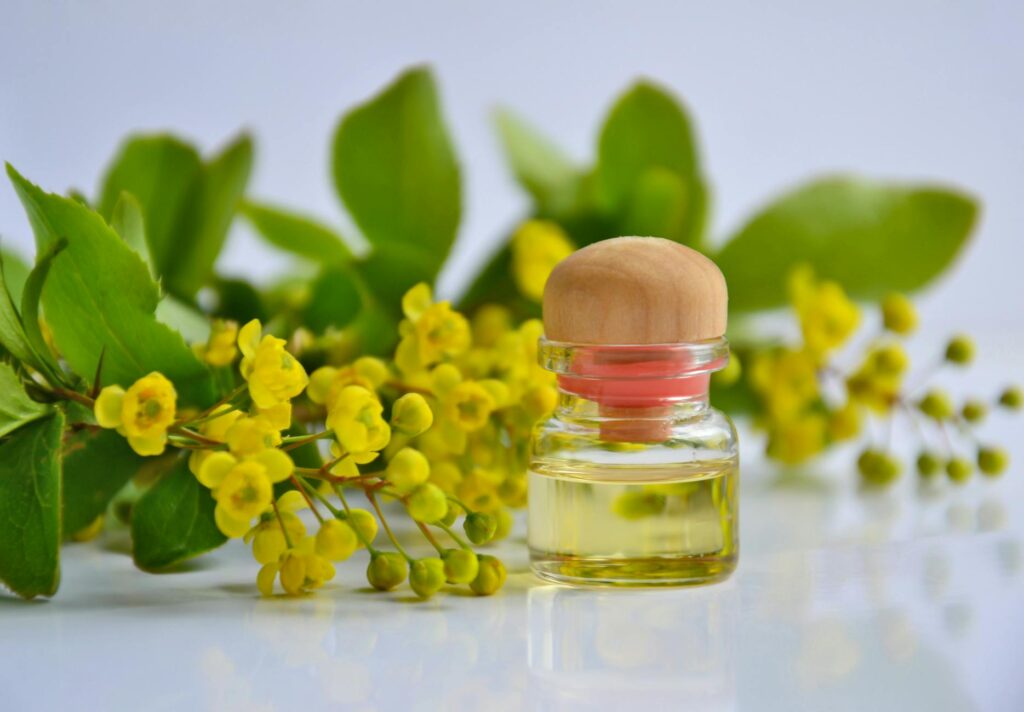
Is Aromatherapy Blends for Seasonal Wellness Safe? Uses, Benefits and Precautions
Introduction
Aromatherapy, the practice of using essential oils for therapeutic benefit, has gained traction in recent years as a natural approach to enhance wellness. Seasonal changes can bring about a range of emotional and physical challenges, from allergies and colds to mood fluctuations and fatigue. Aromatherapy blends tailored for seasonal wellness aim to address these issues by harnessing the potent properties of essential oils. This article delves into what these blends are, their benefits, common uses, applications, safety considerations, and storage tips.
What Is Aromatherapy Blends for Seasonal Wellness?
Aromatherapy blends for seasonal wellness are combinations of essential oils crafted to support the body and mind during specific times of the year. These blends often target issues that arise due to environmental changes, such as pollen during springtime, dry air in winter, or stress during transitional seasons. The essential oils used in these blends are extracted from plants, flowers, and herbs, each possessing unique aromatic properties and therapeutic qualities.
Common essential oils used in seasonal blends include eucalyptus for respiratory support, lavender for relaxation, and peppermint for energizing effects. By synergistically combining these oils, practitioners aim to create an aromatic experience that fosters well-being and harmony with the changing seasons.
Key Benefits and Properties
Physical Benefits
1. Respiratory Support: Essential oils like eucalyptus and tea tree are known for their ability to clear airways and promote easier breathing, making them useful during allergy seasons.
2. Immune Boosting: Certain oils, such as lemon and oregano, possess antimicrobial properties that may help bolster the immune system during times when colds and flu are prevalent.
3. Mood Enhancement: Oils like bergamot and ylang-ylang can elevate mood and reduce feelings of anxiety, which can be especially helpful during seasonal affective disorder (SAD) periods.
Emotional Benefits
1. Stress Reduction: Aromatherapy promotes relaxation and reduces stress levels. Oils like chamomile and frankincense can help soothe the mind during volatile seasonal changes.
2. Increased Energy: Citrus oils, such as sweet orange and grapefruit, are often included in blends aimed at revitalizing and uplifting spirits during dreary seasons.
3. Enhanced Sleep Quality: Blends containing lavender and cedarwood can promote restful sleep, which is crucial for overall well-being during busy seasonal transitions.
Common Uses
Aromatherapy blends can be utilized in several ways to enhance seasonal wellness:
- Diffusion: Using a diffuser to disperse essential oils into the air creates an aromatic environment that promotes relaxation and well-being.
- Topical Application: Diluting essential oils with a carrier oil allows for safe topical application, which can benefit localized areas such as the chest for respiratory support or the temples for stress relief.
- Baths: Adding essential oils to a warm bath can create a calming experience, particularly when targeting muscle tension or stress.
- Inhalation: Direct inhalation from a tissue or cotton ball can provide immediate relief for respiratory discomfort or anxiety.
- Allergy Relief Blend: A combination of lavender, peppermint, and lemon can help alleviate allergy symptoms. This blend is often used in diffusers or topical applications.
- Cooling Blend: Essential oils like spearmint, eucalyptus, and bergamot can create a refreshing atmosphere, combating the summer heat and promoting energy.
- Mood Support Blend: Incorporating oils such as clary sage, cinnamon, and frankincense can help stabilize moods as days grow shorter and temperatures drop.
- Immune Support Blend: A mixture of tea tree, eucalyptus, and lemon essential oils can be beneficial for respiratory health and immune support during cold months.
- Containers: Use dark glass bottles to protect the oils from light, which can degrade their quality. Avoid plastic containers, as essential oils can break down certain plastics.
- Temperature: Store oils in a cool, dark place, away from direct sunlight and heat sources. This will help preserve their aromatic and therapeutic properties.
- Shelf Life: Essential oils generally have a shelf life of 1-3 years, depending on the type of oil. Citrus oils tend to have a shorter shelf life due to their volatile compounds.
Aromatherapy Applications
Blends for Spring
Blends for Summer
Blends for Autumn
Blends for Winter
Safety Considerations
While aromatherapy blends can offer numerous benefits, safety is paramount. Here are some important considerations:
1. Dilution: Essential oils are highly concentrated and should always be diluted with a carrier oil (such as jojoba or coconut oil) before topical application to prevent skin irritation.
2. Allergies and Sensitivities: Conduct a patch test before widespread use. Apply a small amount of the diluted blend to a small area of skin to check for any allergic reactions.
3. Pregnancy and Nursing: Some essential oils are contraindicated during pregnancy or lactation. It is essential to consult a qualified practitioner for guidance.
4. Children and Pets: Certain essential oils can be harmful to young children and pets. Always research the safety of specific oils before use in environments where children or animals are present.
5. Consultation with Professionals: For those with existing health conditions or concerns, consulting a healthcare professional familiar with essential oils can provide personalized advice.
Storage and Shelf Life
To maintain the integrity and efficacy of aromatherapy blends, proper storage is crucial:
Frequently Asked Questions
1. Can I use essential oils directly on my skin?
It is advisable to dilute essential oils with a carrier oil before applying them to the skin to avoid irritation and adverse reactions.
2. Are there any essential oils to avoid during pregnancy?
Yes, certain essential oils, such as sage, rosemary, and clary sage, are not recommended during pregnancy. Always consult a healthcare professional for advice tailored to individual situations.
3. How can I tell if an essential oil is of high quality?
Look for oils that are labeled as pure, therapeutic-grade, and sourced from reputable companies. Checking for third-party testing can also provide assurance of quality.
4. Can I ingest essential oils for seasonal wellness?
Ingesting essential oils is not generally recommended without the guidance of a qualified healthcare professional, as some oils can be toxic or cause adverse reactions.
5. How often can I use aromatherapy blends?
The frequency of use can depend on individual preferences and sensitivities. It is best to start with occasional use and adjust according to personal experience.
Conclusion
Aromatherapy blends for seasonal wellness offer a natural and holistic approach to enhancing well-being throughout the year. By understanding the properties and uses of essential oils, individuals can harness their benefits while remaining mindful of safety considerations. Whether through diffusion, topical application, or relaxation practices, aromatherapy can serve as a valuable tool in navigating the challenges posed by seasonal transitions. Always prioritize safety, consult with professionals when necessary, and enjoy the aromatic journey toward wellness.