
Is Aromatherapy Blends for Self-Care and Relaxation Safe? Uses, Benefits and Precautions
Introduction
Aromatherapy is an ancient practice that utilizes the natural properties of essential oils derived from plants to promote physical, emotional, and psychological well-being. In recent years, aromatherapy blends have gained popularity as a method for self-care and relaxation, providing individuals with a holistic approach to managing stress and enhancing their overall quality of life. This article explores the essence of aromatherapy blends, their benefits, common uses, applications, and essential safety considerations.
What Is Aromatherapy Blends for Self-Care and Relaxation?
Aromatherapy blends are combinations of essential oils specifically formulated to elicit specific therapeutic effects. Self-care and relaxation blends typically contain oils known for their calming, soothing, and uplifting properties. Commonly used essential oils include lavender, chamomile, bergamot, and ylang-ylang, each chosen for its unique scent profile and emotional resonance.
The practice of blending essential oils allows for personalized experiences, where individuals can tailor their aromatic journeys to their specific needs. These blends can be inhaled, applied topically, or used in various methods such as diffusing, creating an encompassing atmosphere of tranquility.
Key Benefits and Properties
Emotional and Psychological Benefits
Aromatherapy blends are celebrated for their potential to alleviate anxiety, reduce stress, and enhance mood. Certain essential oils are known to promote feelings of relaxation and comfort, often aiding in emotional balance. For example:
- Lavender: Renowned for its calming properties, lavender oil can help reduce feelings of stress and anxiety.
- Bergamot: This oil may elevate mood and is often used to relieve symptoms of depression.
- Chamomile: Known for its soothing effects, chamomile can promote sleep and relaxation.
- Muscle Relaxation: Oils like marjoram and peppermint may help alleviate muscle tension when applied topically.
- Improved Sleep Quality: Blends containing sedative oils can enhance sleep quality, making them popular choices for evening routines.
Physical Benefits
Beyond emotional well-being, aromatherapy blends can also offer physical benefits. While individual experiences may vary, some potential effects include:
Support for Mindfulness Practices
Aromatherapy can also serve as a powerful tool in mindfulness practices, such as meditation and yoga. By incorporating these scents, individuals can enhance their focus, promote deeper relaxation, and create an inviting environment for self-reflection and growth.
Common Uses
Diffusion
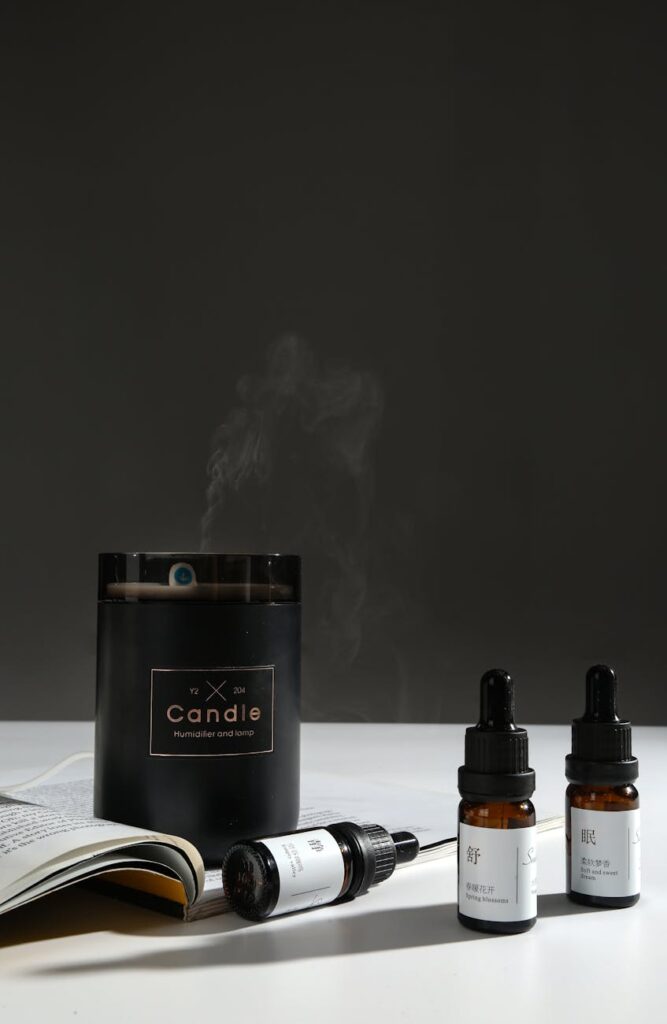
Diffusing essential oil blends is a popular method. It involves dispersing the oils into the air using a diffuser, allowing their aromatic properties to fill a room. This method is ideal for creating calming environments in homes, offices, or wellness spaces.
Topical Application
Aromatherapy blends can also be applied to the skin, often diluted in carrier oils like jojoba or coconut oil. This method allows for localized benefits, such as soothing muscle tension or enhancing relaxation during massage.
Bathing
Adding essential oil blends to bathwater can create a luxurious and therapeutic experience. Oils not only enhance the bathing atmosphere but may also impart skin benefits and promote relaxation through inhalation.
Inhalation
Simply inhaling the scent of an essential oil blend directly from the bottle or through a tissue can provide immediate relief from stress or anxiety. This method is particularly useful for on-the-go relaxation.
Aromatherapy Applications
Household and Environmental Use
In addition to personal care, aromatherapy blends can enhance the atmosphere of living spaces. They can be used in cleaning products, candles, or potpourri, contributing to a pleasant, relaxing environment.
Spa and Wellness Centers
Many spas and wellness centers incorporate aromatherapy into their services, offering treatments that include essential oil blends. This integration helps create a soothing ambiance while promoting relaxation and rejuvenation for clients.
Personal Care Products
Aromatherapy blends are increasingly found in personal care products like lotions, shampoos, and soaps. These products can offer both functional benefits and pleasurable sensory experiences.
Safety Considerations
While aromatherapy blends can offer numerous benefits, safety is paramount. Here are several important considerations:
Skin Sensitivity
Some individuals may experience skin sensitivity or allergic reactions to certain essential oils. It is advisable to conduct a patch test prior to using a new blend, especially if applying it topically. Diluting essential oils in a carrier oil can also reduce the risk of adverse reactions.
Pregnancy and Nursing
Certain essential oils may not be safe for use during pregnancy or while nursing. It is crucial to research specific oils and consult with a healthcare professional when necessary.
Children and Pets
Some essential oils are not suitable for use around children or pets. Always ensure that the oils being used are appropriate for the specific age group or species.
Quality of Essential Oils
The quality of essential oils can vary significantly between brands. It is essential to choose high-quality, pure essential oils from reputable sources. Look for products that provide clear labeling and information about their sourcing and extraction methods.
Storage and Shelf Life
To ensure the longevity and efficacy of aromatherapy blends, proper storage is crucial. Essential oils should be kept in dark glass bottles, away from direct sunlight and heat. Typically, essential oils have a shelf life of one to three years, depending on the type. Citrus oils, for example, tend to have a shorter shelf life compared to more stable oils like sandalwood or patchouli. Regularly checking for changes in color, scent, or consistency can help determine whether an oil is still usable.
Frequently Asked Questions
1. Can I use aromatherapy blends every day?
Yes, many individuals use aromatherapy blends daily as part of their self-care routine. However, it is essential to monitor your body’s reactions and adjust usage accordingly.
2. Are there any side effects associated with aromatherapy?
While generally safe, some individuals may experience allergic reactions or skin sensitivities. It is advisable to conduct patch tests and consult with a qualified professional if uncertain.
3. How do I choose the right blend for relaxation?
Choosing the right blend often involves personal preference. Experimenting with different oils known for their calming properties, such as lavender or chamomile, can help identify what resonates best with you.
4. Can I combine different essential oils to create my own blend?
Yes, creating your own blends can be a rewarding experience. However, it is advisable to research the properties of each oil and ensure they are compatible for safe use.
5. Is it safe to inhale essential oils directly from the bottle?
Inhaling essential oils directly from the bottle can be done, but it should be done cautiously and in moderation to avoid overwhelming the senses. Diffusing or using a tissue is often recommended for a more gentle approach.
Conclusion
Aromatherapy blends for self-care and relaxation offer a holistic approach to enhancing emotional and physical well-being. While their benefits are manifold, understanding the importance of safe usage, quality sourcing, and individual sensitivities is essential for a rewarding experience. With the right knowledge and precautions, aromatherapy can become a valued addition to one’s self-care toolkit, promoting relaxation and balance in daily life.