
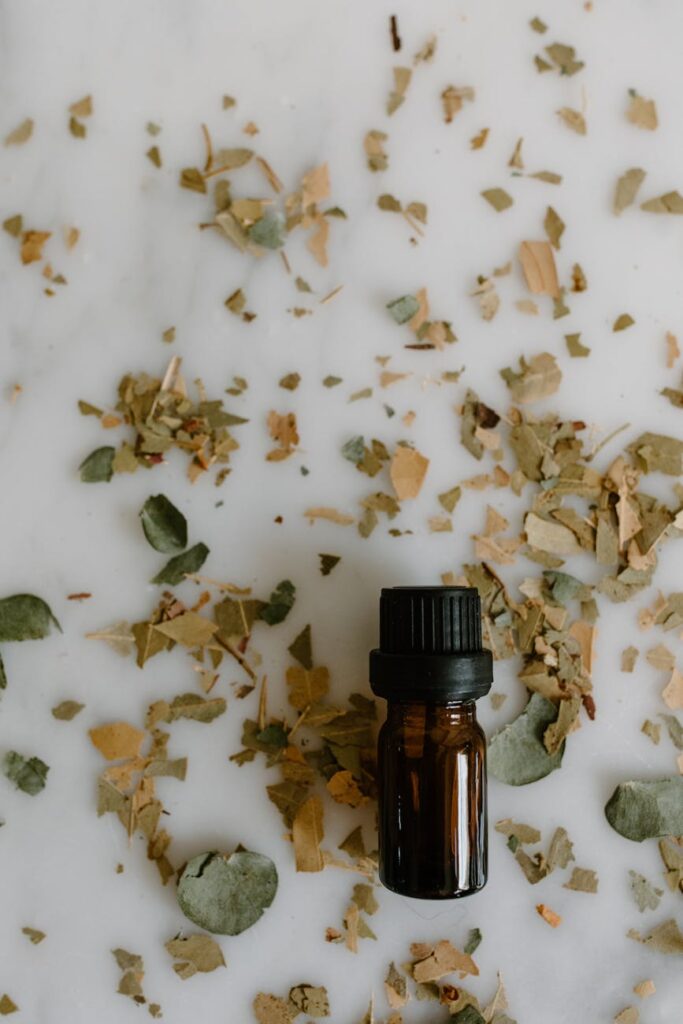
Is Aromatherapy Blends for Sinus Relief Safe? Uses, Benefits and Precautions
Introduction
Aromatherapy, a holistic healing practice that employs essential oils from plants, has gained popularity for its ability to enhance physical, emotional, and mental well-being. One area where aromatherapy has shown considerable promise is in providing relief for sinus issues. Sinus discomfort can arise from various factors, including allergies, colds, or environmental irritants. This article will delve into what aromatherapy blends for sinus relief entail, their benefits, common uses, and important safety considerations.
What Is Aromatherapy Blends for Sinus Relief?
Aromatherapy blends for sinus relief typically involve essential oils known for their decongestant, anti-inflammatory, and soothing properties. These blends may include oils such as eucalyptus, peppermint, tea tree, and lavender, among others. When inhaled or absorbed through the skin, these oils may help to alleviate symptoms associated with sinus congestion, sinusitis, or allergies.
The effectiveness of these blends can be attributed to the complex chemical components found in essential oils that interact with the body’s olfactory system, potentially promoting relaxation and opening airways. However, it is essential to understand that while many individuals find relief through these methods, responses can vary, and aromatherapy should complement, not replace, conventional treatments.
Key Benefits and Properties
Aromatherapy blends for sinus relief can offer several benefits:
1. Decongestant Effects: Essential oils like eucalyptus and peppermint contain compounds that may help reduce nasal congestion. These oils can promote easier breathing by opening air passages.
2. Anti-Inflammatory Properties: Oils such as tea tree and lavender may exhibit anti-inflammatory actions, which can help soothe irritated sinuses and surrounding tissues.
3. Antimicrobial Effects: Some essential oils possess antimicrobial properties that may help combat infections, making them beneficial during colds or sinusitis.
4. Relaxation and Stress Relief: Sinus issues can lead to discomfort and stress. Many essential oils have calming properties, which may help alleviate anxiety associated with sinus pain.
5. Improved Sleep: Some blends may promote better sleep, which is crucial for overall health and can aid in recovery from sinus issues.
Common Uses
Aromatherapy blends for sinus relief can be utilized in various ways:
- Inhalation: One of the most common methods, inhalation can be done by adding a few drops of essential oil to a diffuser, a bowl of hot water, or simply inhaling directly from the bottle.
- Topical Application: Diluted essential oils can be applied to the chest, temples, or behind the ears. Carrier oils like coconut or jojoba oil are often used to dilute essential oils before application.
- Steam Inhalation: Adding essential oils to hot water and inhaling the steam can provide immediate relief by opening nasal passages.
- Baths: Adding essential oil blends to bathwater can promote relaxation while offering sinus relief through inhalation and skin absorption.
- Diffusion: Using a diffuser is a popular method for dispersing essential oils into the air, allowing for easy inhalation.
- Roll-On Blends: Pre-made or homemade roll-on blends can be convenient for on-the-go relief.
- Compresses: A warm compress infused with essential oils can provide localized relief for sinus pressure.
- Containers: Use dark glass bottles to protect oils from light and degradation.
- Temperature: Store oils in a cool, dark place to prolong their shelf life.
- Shelf Life: Most essential oils have a shelf life of 1-3 years, depending on the type. Citrus oils may have a shorter shelf life, while oils like patchouli and cedarwood can last longer.
Aromatherapy Applications
Essential Oil Blends for Sinus Relief
1. Eucalyptus and Peppermint Blend: Known for their cooling and decongestant properties, this blend can help promote clearer breathing.
2. Tea Tree and Lavender Blend: This combination harnesses the anti-inflammatory and calming effects of tea tree and lavender, making it suitable for nighttime use.
3. Lemon and Rosemary Blend: Lemon’s uplifting scent combined with rosemary’s potential cognitive benefits can help clear the mind while alleviating sinus irritation.
Methods of Application
Safety Considerations
While aromatherapy is generally regarded as safe, certain considerations should be taken into account:
1. Dilution: Essential oils are potent and must be diluted before topical application. A common dilution ratio is 2-3 drops of essential oil per teaspoon of carrier oil.
2. Patch Test: Before using a new essential oil, especially for topical application, perform a patch test to check for allergic reactions.
3. Pregnancy and Nursing: Pregnant or nursing individuals should consult with a healthcare provider before using essential oils, as some oils may not be safe during these periods.
4. Children and Pets: Certain essential oils can be harmful to children and pets. Always research specific oils to ensure their safety in these populations.
5. Underlying Health Conditions: Individuals with asthma, epilepsy, or other chronic conditions should exercise caution and consult with a healthcare professional before using essential oils.
6. Quality of Oils: Ensure that you are using high-quality, pure essential oils from reputable sources. Adulterated oils may not provide the desired benefits and could pose health risks.
Storage and Shelf Life
Proper storage of essential oils is crucial for maintaining their potency:
Frequently Asked Questions
Can I use essential oils if I have allergies?
While many people find relief from allergies through aromatherapy, it is crucial to identify which oils work best for you. Some essential oils can be allergens themselves, so it is advisable to perform a patch test first.
How often can I use aromatherapy for sinus relief?
Usage frequency can vary by individual and method. For inhalation or diffusion, several times a day may be appropriate, while topical applications should be limited to a few times a day to avoid skin irritation.
Are there any essential oils I should avoid?
Certain oils, like camphor and wintergreen, should be avoided in high concentrations due to their potential toxicity. Always conduct thorough research or consult a professional before using a new oil.
What should I do if I experience a reaction?
If you experience any adverse reactions, stop using the essential oil immediately and consult with a healthcare professional if necessary.
Can aromatherapy replace conventional medicine for sinus issues?
While aromatherapy can complement conventional treatments, it should not replace them, especially for serious conditions. Always consult with a healthcare provider for appropriate diagnosis and treatment.
Conclusion
Aromatherapy blends for sinus relief offer a natural alternative for alleviating discomfort associated with sinus issues. With the right essential oils and proper application methods, individuals may experience benefits such as improved breathing, reduced inflammation, and enhanced relaxation. However, safety considerations must be a priority, and it is essential to maintain open communication with healthcare providers when integrating aromatherapy into your wellness regimen. By understanding the uses, benefits, and precautions associated with essential oils, individuals can make informed choices that contribute to their overall health and well-being.