
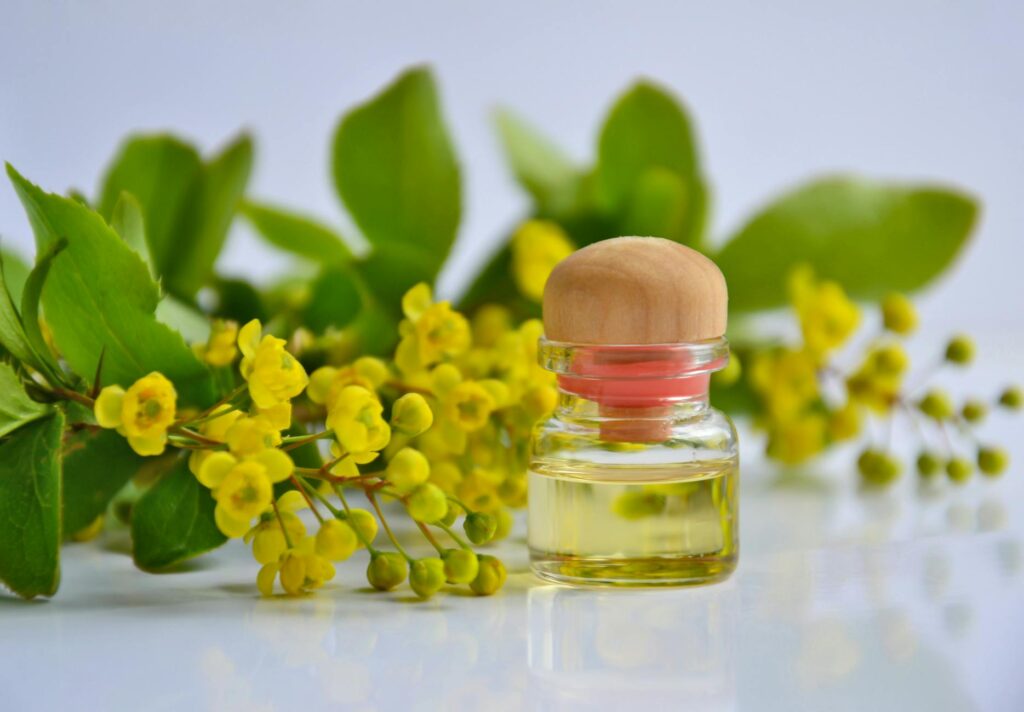
Is Aromatherapy Blends for Skin Nourishment Safe? Uses, Benefits and Precautions
Introduction
Aromatherapy, a practice that harnesses the potent properties of essential oils, has gained immense popularity in recent years, particularly in the realm of skincare. With an increasing consumer focus on holistic and natural health remedies, aromatherapy blends for skin nourishment have emerged as a compelling alternative to conventional products. However, as with any therapeutic approach, understanding the safety, uses, and benefits is crucial. This article seeks to provide a comprehensive overview of aromatherapy blends specifically tailored for skin nourishment.
What Is Aromatherapy Blends for Skin Nourishment?
Aromatherapy blends for skin nourishment are combinations of essential oils and carrier oils formulated to promote healthy skin. Essential oils are concentrated extracts derived from plants, flowers, and herbs, each possessing unique therapeutic properties. When mixed with carrier oils—vegetable oils that dilute essential oils and allow for safe application on the skin—these blends can offer various benefits, from hydration and rejuvenation to soothing irritation.
The formulation of these blends often includes a careful selection of essential oils that target specific skin concerns, making them versatile for different skin types, such as oily, dry, or sensitive skin.
Key Benefits and Properties
Aromatherapy blends for skin nourishment can offer several benefits, including:
Hydration
Essential oils like Lavender and Geranium can help to maintain skin hydration. When combined with nourishing carrier oils such as Jojoba or Sweet Almond oil, they can create a moisturizing effect that keeps the skin supple and healthy.
Anti-Inflammatory Properties
Many essential oils possess anti-inflammatory properties. Oils such as Tea Tree and Chamomile are known for their ability to calm irritated skin, making them suitable for conditions like acne or eczema.
Antioxidant Effects
Some essential oils are rich in antioxidants, which help combat oxidative stress caused by environmental factors. Oils like Frankincense and Rose can assist in protecting the skin from damage and may promote a more youthful appearance.
Balancing Oil Production
Certain essential oils can help balance sebum production, making them ideal for oily or combination skin types. Oils such as Lavender and Bergamot can assist in regulating oil levels while providing a calming effect.
Skin Regeneration
Essential oils like Helichrysum and Neroli are often praised for their regenerative properties, promoting skin healing and reducing the appearance of scars and blemishes.
Common Uses
Aromatherapy blends for skin nourishment can be utilized in various ways, including:
Facial Oils
Many individuals use these blends as facial oils, applying them directly to the skin after cleansing. They can be incorporated into a daily skincare routine to enhance hydration and nourishment.
Body Oils
These blends can also be used as body oils for full-body hydration. They may be applied after showering to lock in moisture and provide a soothing aroma.
Massage Oils
When diluted appropriately, aromatherapy blends can be used for massage, allowing for both skin nourishment and relaxation. This dual benefit can enhance overall wellness.
Bath Oils
Adding a few drops of aromatherapy blends to a warm bath can create a relaxing and skin-nourishing experience. The steam from the bath helps carry the essential oils, promoting inhalation and skin absorption.
Aromatic Sprays
Diluting essential oils in water or hydrosols can create aromatic sprays that refresh the skin and provide a pleasant fragrance while delivering some of the benefits of essential oils.
Aromatherapy Applications
The application methods for aromatherapy blends can vary depending on individual preferences and skin types. Here are some common techniques:
Direct Application
After diluting essential oils in a carrier oil, the blend can be massaged directly onto the skin. This method is effective for targeted areas, such as dry patches or minor irritations.
Diffusion
Using a diffuser, essential oils can be dispersed into the air, allowing for inhalation of their aromatic properties. While this approach does not directly nourish the skin, it can enhance overall well-being, which may indirectly benefit skin health.
Inhalation
Inhaling essential oils directly from the bottle or a cotton ball can provide immediate relaxation and stress relief, which may have positive effects on skin conditions influenced by stress.
Incorporating into Skincare Products
Many individuals choose to add a few drops of essential oils to their existing skincare products, such as moisturizers or serums. This allows for personalized skincare while leveraging the benefits of essential oils.
Safety Considerations
While aromatherapy blends can provide numerous benefits, it is essential to observe safety precautions:
Patch Testing
Before applying any new blend to a larger area of skin, conduct a patch test by applying a small amount to a discrete area, such as the inner elbow. Monitor for any adverse reactions over 24 hours.
Dilution
Essential oils are highly concentrated and should always be diluted in carrier oils before applying to the skin. A typical dilution ratio is 2-3 drops of essential oil per teaspoon of carrier oil.
Skin Sensitivity
Individuals with sensitive skin or allergies should exercise caution. Some essential oils may cause irritation or allergic reactions. Researching specific oils and their suitability for your skin type is advisable.
Pregnancy and Nursing
Certain essential oils are not recommended for use during pregnancy or while nursing. Consult a qualified expert for guidance on safe options during these times.
Avoiding Sensitive Areas
Keep essential oils away from sensitive areas, such as the eyes and mucous membranes. If contact occurs, rinse thoroughly with a carrier oil or water.
Storage and Shelf Life
Proper storage of aromatherapy blends is crucial for maintaining their efficacy. Here are some guidelines:
Storage Conditions
Store essential oils and blends in a cool, dark place away from direct sunlight to prevent degradation. Amber or cobalt glass bottles are ideal for prolonging shelf life.
Shelf Life
Essential oils have varying shelf lives depending on their composition. Generally, most essential oils can last between one to five years. Carrier oils may have a shorter shelf life, typically ranging from six months to two years. Regularly check for any changes in smell, color, or consistency, as these may indicate spoilage.
Frequently Asked Questions
Can I use aromatherapy blends for all skin types?
While many blends are suitable for various skin types, it is essential to choose oils that align with your specific needs. For example, oils like Tea Tree may be better for oily skin, while oils like Rose may be more suitable for dry skin.
Are there any essential oils to avoid?
Certain essential oils, like Citrus oils, can cause photosensitivity, making the skin more prone to sunburn. It is advisable to avoid these oils before sun exposure or to use them at night.
Can I use essential oils if I have skin conditions?
Individuals with pre-existing skin conditions should consult a qualified expert before using essential oils. Some oils may exacerbate certain conditions, while others may provide relief.
How can I incorporate aromatherapy blends into my skincare routine?
You can incorporate aromatherapy blends by using them as facial or body oils, adding them to your bath, or mixing them with your existing skincare products. Always ensure proper dilution and test for sensitivity first.
Is it necessary to use carrier oils?
Yes, using carrier oils is essential to safely dilute essential oils for topical application. Carrier oils help prevent skin irritation and ensure even distribution of the essential oils.
Conclusion
Aromatherapy blends for skin nourishment can be a valuable addition to a holistic skincare routine, offering a range of benefits from hydration to healing. However, safety considerations must be taken into account to ensure a positive experience. By understanding the properties of various essential oils and how they can be applied, individuals can make informed choices to enhance their skin health. As with all wellness practices, individual experiences may vary, so personal research and consultation with experts can further enrich the journey toward radiant skin.