
Is Aromatherapy Blends for Sleep Aid Safe? Uses, Benefits, and Precautions
Introduction
Aromatherapy, the practice of using essential oils for therapeutic benefits, has gained traction in recent years, particularly as a natural remedy for sleep-related issues. Many individuals turn to aromatherapy blends designed specifically for sleep aid, seeking to enhance their nighttime routines and improve sleep quality. This article delves into the nature of these blends, their benefits, common applications, safety considerations, and more.
What Is Aromatherapy Blends for Sleep Aid?
Aromatherapy blends for sleep aid typically consist of various essential oils known for their calming and sedative properties. These oils are often combined to create synergistic effects, enhancing the overall impact of the blend. Some common essential oils used in sleep aid blends include lavender, chamomile, bergamot, and vetiver, among others. Each oil has its unique aroma and properties, contributing to the efficacy of the blend.
Formulation of Blends
Aromatherapy blends can be formulated in different ways, often tailored to individual preferences and needs. These blends may be diluted in carrier oils for topical application, incorporated into diffusers, or added to bathwater. The choice of formulation can influence the method of delivery and the overall experience of the user.
Key Benefits and Properties
The potential benefits of using aromatherapy blends for sleep aid are extensive, particularly in promoting relaxation and alleviating stress. Here are some key properties commonly associated with sleep aid essential oils:
Relaxation
Many essential oils possess calming qualities that can help reduce anxiety and promote a sense of tranquility. Oils like lavender and chamomile are renowned for their ability to induce relaxation, making them staples in sleep aid blends.
Improved Sleep Quality
Certain essential oils may help improve the quality of sleep by minimizing disturbances and promoting deeper sleep cycles. Research suggests that inhaling these scents before bedtime can lead to longer and more restful sleep.
Stress Reduction
Essential oils can play a role in reducing the physiological effects of stress, which can be a significant barrier to a good night’s sleep. Their soothing aromas may help lower heart rates and decrease cortisol levels, fostering a more conducive environment for sleep.
Enhanced Mood
The use of aromatherapy can also positively affect mood, making it easier to unwind at the end of the day. Scents like bergamot and cedarwood are often included in sleep blends for their uplifting yet calming effects.
Common Uses
Aromatherapy blends for sleep aid can be utilized in various ways, allowing individuals to choose methods that best fit their lifestyles and preferences:
Diffusion
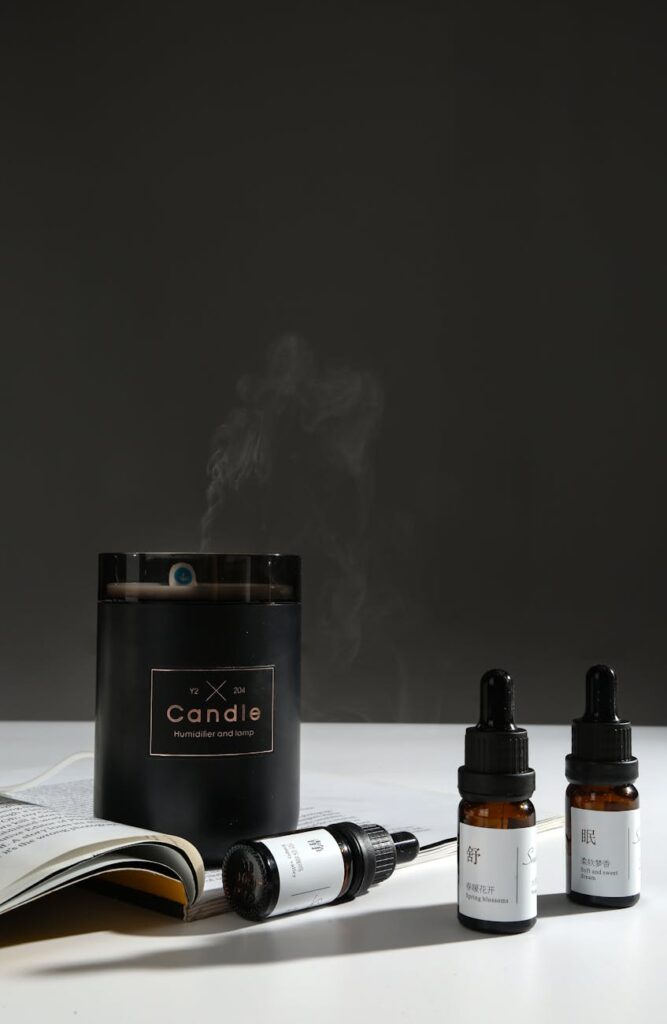
Diffusing essential oils in the bedroom is one of the most popular methods of using aromatherapy for sleep. A diffuser disperses the oils into the air, creating a calming atmosphere conducive to relaxation.
Topical Application
Many blends can be applied to pulse points, such as wrists or temples, or added to a carrier oil for a gentle massage. This method allows for the direct absorption of essential oils into the skin, enhancing their relaxing effects.
Bath Additive
Adding aromatherapy blends to bathwater can create a soothing and tranquil environment. Warm water combined with relaxing scents can provide a holistic approach to unwinding before bedtime.
Pillow Sprays
Spraying a diluted blend onto pillows and bed linens can infuse the sleeping space with calming aromas, promoting relaxation as one settles in for the night.
Aromatherapy Applications
The application of aromatherapy blends for sleep aid can be customized to individual needs and preferences. Here are some common essential oils and their specific applications:
Lavender
Widely regarded as one of the most effective essential oils for sleep, lavender has been studied for its calming properties. It is often used in diffusers, pillow sprays, and topical blends.
Chamomile
Chamomile oil is known for its gentle sedative properties. It can be used in bath blends or as a massage oil to promote relaxation.
Bergamot
Bergamot is a citrus oil that can help alleviate feelings of stress and anxiety. Its uplifting yet calming scent makes it a popular choice for sleep blends.
Vetiver
Vetiver oil is characterized by its earthy aroma and is often used for grounding and calming effects. It is typically included in blends aimed at promoting deeper sleep.
Safety Considerations
While aromatherapy blends can be beneficial, it is essential to approach their use with caution and awareness. Here are some safety considerations to keep in mind:
Skin Sensitivity
Some essential oils can cause skin irritation or allergic reactions, particularly when used undiluted. It is advisable to perform a patch test when trying a new oil or blend and to always use a carrier oil when applying topically.
Pregnancy and Breastfeeding
Certain essential oils may not be safe for use during pregnancy or breastfeeding. It is vital to consult with a healthcare professional before using essential oils in these circumstances.
Interactions with Medications
Aromatherapy can interact with certain medications, particularly those affecting mood or sleep. Individuals taking medications should discuss their use of essential oils with a healthcare professional to avoid potential interactions.
Quality of Essential Oils
Not all essential oils are created equal. It is important to source high-quality, pure essential oils from reputable suppliers to ensure safety and efficacy. Adulterated or synthetic oils may not provide the desired benefits and could pose health risks.
Storage and Shelf Life
Proper storage of essential oils is crucial to maintaining their efficacy and safety. Here are some guidelines for storage:
Storage Conditions
Essential oils should be stored in a cool, dark place, away from direct sunlight and heat sources. Ideally, they should be kept in dark glass bottles to minimize exposure to light.
Shelf Life
The shelf life of essential oils varies depending on the type of oil and how it is stored. Generally, citrus oils have a shorter shelf life (around 1-2 years), while oils like cedarwood and vetiver can last longer (up to 5 years or more). Regularly check for changes in scent or appearance, as these can indicate that the oil has degraded.
Frequently Asked Questions
1. Can aromatherapy blends replace sleep medication?
While aromatherapy blends can be beneficial for promoting relaxation and improving sleep quality, they should not be viewed as a replacement for prescribed sleep medications. Individuals should consult with a healthcare provider for personalized advice.
2. How many drops of essential oil should I use in a diffuser?
The number of drops can vary based on the size of the diffuser and personal preference. A common guideline is to use 3-5 drops of essential oil per 100 mL of water in the diffuser.
3. Are there any essential oils that should be avoided before bedtime?
Some essential oils, such as peppermint or citrus oils, may be stimulating and are generally best avoided in the hours leading up to sleep. Focus on calming oils like lavender or chamomile instead.
4. How often can I use aromatherapy blends for sleep aid?
Aromatherapy can be used nightly as part of a bedtime routine. However, if any irritation or adverse reactions occur, it is advisable to discontinue use and consult a healthcare professional.
5. Can children use aromatherapy blends for sleep?
Aromatherapy can be safe for children when appropriately diluted and used under supervision. However, it is essential to choose child-safe essential oils and consult a pediatrician for guidance.
Conclusion
Aromatherapy blends for sleep aid offer a natural approach to enhancing relaxation and improving sleep quality. While they can provide numerous benefits, it is essential to use them safely and to be aware of individual sensitivities and preferences. By understanding the properties, applications, and precautions associated with these blends, individuals can effectively incorporate aromatherapy into their nightly routines, fostering a peaceful and restorative sleep environment.