
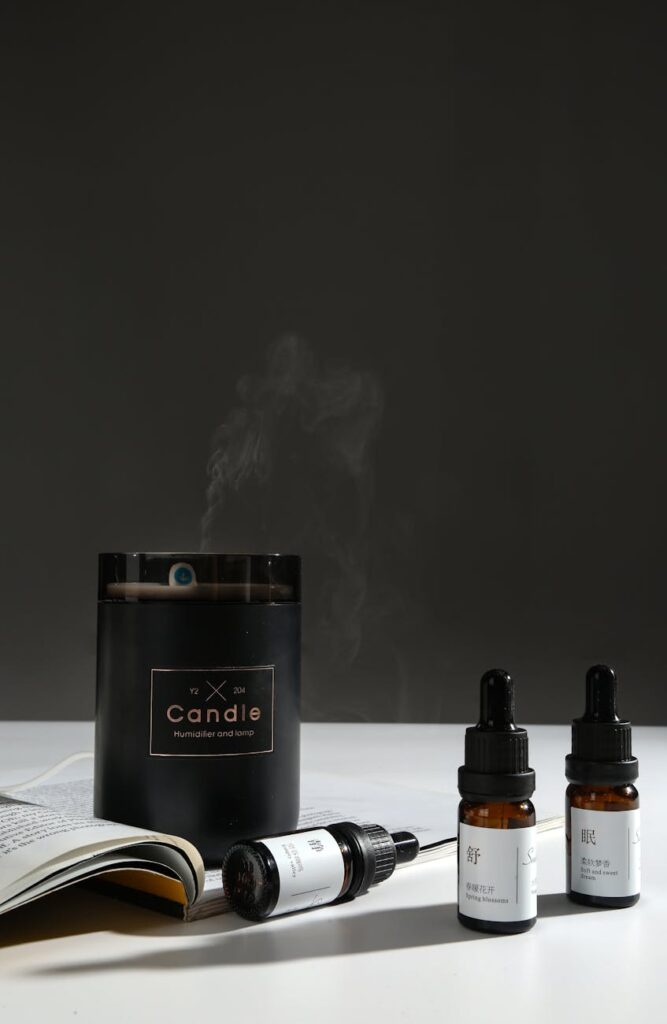
Is Aromatherapy Blends for Sleep Induction Safe? Uses, Benefits and Precautions
Introduction
Aromatherapy has gained significant popularity as a natural approach to enhance well-being, particularly in the realm of sleep induction. Utilizing the therapeutic properties of essential oils, aromatherapy blends aim to promote relaxation, reduce anxiety, and facilitate a more restful night’s sleep. This article delves into the safety, uses, benefits, and precautions associated with aromatherapy blends specifically designed for sleep induction.
What Is Aromatherapy Blends for Sleep Induction?
Aromatherapy blends for sleep induction consist of specific formulations of essential oils known for their calming and sedative effects. These blends can be used in various forms—such as diffusers, roll-ons, pillow sprays, or bath oils—to create an atmosphere conducive to relaxation. Essential oils, extracted from plants, contain volatile compounds that can influence mood and behavior through olfactory stimulation.
Common essential oils used in sleep-inducing blends include lavender, chamomile, bergamot, and cedarwood, each contributing unique properties that may help ease the transition into sleep.
Key Benefits and Properties
Aromatherapy blends for sleep induction offer several potential benefits:
1. Relaxation and Stress Reduction
Many essential oils possess anxiolytic (anxiety-reducing) properties. For instance, lavender is renowned for its ability to calm the mind and reduce stress levels, making it a popular choice in sleep-inducing blends.
2. Improved Sleep Quality
Certain oils, such as chamomile, have been linked to improved sleep quality. Users report falling asleep faster and experiencing deeper, more restorative sleep when using these oils.
3. Mood Enhancement
Aromatherapy can positively affect mood. Oils like bergamot have uplifting properties, which can ease anxiety and create a positive mental state conducive to sleep.
4. Support for Sleep Disorders
While not a replacement for medical treatment, some individuals find that aromatherapy can complement traditional methods for managing sleep disorders, such as insomnia and sleep apnea, by promoting relaxation and reducing pre-sleep anxiety.
Common Uses
Aromatherapy blends for sleep induction can be utilized in various ways to suit individual preferences. Common applications include:
- Diffusion: Adding a few drops to a diffuser allows the gentle release of essential oils into the air, creating a calming environment.
- Topical Application: Blending essential oils with carrier oils such as jojoba or sweet almond oil can create a soothing massage oil to be applied to pulse points.
- Pillow Sprays: Spraying a blend on pillows or bedding can enhance the sleep environment, allowing users to inhale the soothing scents as they drift off.
- Bath Soaks: Incorporating essential oils into a warm bath can provide a tranquil experience, promoting relaxation before bedtime.
- Lavender: 4 drops
- Bergamot: 3 drops
- Cedarwood: 2 drops
Aromatherapy Applications
1. Creating a Sleep-Inducing Atmosphere
To create a conducive sleep environment, consider blending essential oils known for their calming effects. A simple blend might include:
Mix these with a carrier oil for topical application or use them in a diffuser.
2. Bedtime Rituals
Incorporating aromatherapy into bedtime rituals can enhance its effectiveness. Consider using a calming blend during relaxation techniques such as meditation or gentle yoga, allowing the scents to deepen the experience.
3. Traveling
Travel can disrupt sleep patterns. Carrying a small roller bottle of a sleep-inducing blend can provide comfort and familiarity in unfamiliar settings. A blend of lavender, chamomile, and frankincense can be particularly soothing during travel.
Safety Considerations
While aromatherapy is generally considered safe, certain precautions should be observed:
1. Dilution
Essential oils are potent and should be diluted with a carrier oil before topical application to prevent skin irritation. A general guideline is to use a 2% dilution for adults, which equates to about 12 drops of essential oil per ounce of carrier oil.
2. Skin Sensitivity
Conduct a patch test by applying a small amount of diluted oil to a discreet area of skin to check for any adverse reactions before extensive use.
3. Pregnancy and Nursing
Certain essential oils may not be suitable for pregnant or nursing individuals. Always consult with a qualified professional before using aromatherapy in these circumstances.
4. Children and Pets
When using essential oils around children or pets, exercise caution. Some oils can be toxic to animals, and certain oils are not recommended for young children. Always consult a professional for guidelines specific to age and species.
5. Allergies and Medical Conditions
Individuals with allergies or specific medical conditions should be cautious. Some essential oils can cause allergic reactions or interact with medications. Always consult a healthcare provider if you have concerns.
Storage and Shelf Life
To maintain the efficacy of essential oils, proper storage is crucial. Store oils in a cool, dark place, away from direct sunlight. Ensure that bottles are tightly sealed to prevent oxidation. Most essential oils have a shelf life of 1 to 3 years, but this can vary depending on the oil. Citrus oils typically have a shorter shelf life compared to more robust oils like cedarwood or patchouli.
Frequently Asked Questions
1. Can aromatherapy replace sleep medications?
Aromatherapy can be a complementary approach for enhancing sleep but should not replace prescribed sleep medications without consulting a healthcare provider.
2. How long does it take for aromatherapy to work?
The effects of aromatherapy can vary by individual. Some may experience immediate relaxation, while others may require several sessions to notice significant benefits.
3. Are there any side effects associated with aromatherapy?
While side effects are rare, some individuals may experience skin irritation or allergic reactions. Always perform a patch test and consult a healthcare professional if you have concerns.
4. Which essential oils are best for sleep?
Lavender, chamomile, bergamot, and cedarwood are among the most commonly recommended essential oils for promoting sleep and relaxation.
5. Can I use aromatherapy if I have asthma?
Individuals with asthma should approach aromatherapy with caution. Some essential oils can trigger asthma symptoms, so it is advisable to consult with a healthcare provider before use.
Conclusion
Aromatherapy blends for sleep induction present a natural and holistic approach to enhancing sleep quality and promoting relaxation. While many users report positive experiences, it is essential to observe safety precautions and consult professionals when necessary. Understanding the properties and applications of various essential oils can empower individuals to create a personalized and effective sleep-inducing environment. As with any wellness practice, individual experiences may vary, and it is always advisable to approach aromatherapy with an informed and cautious mindset.