
Is Aromatherapy Blends for Stress Relief During Work Safe? Uses, Benefits, and Precautions
Introduction
In today’s fast-paced work environments, stress has become a common experience for many individuals. Aromatherapy, the practice of using essential oils derived from plants to promote physical and emotional well-being, has gained popularity as a natural method for stress relief. This article explores the concept of aromatherapy blends specifically designed for stress relief during work, their benefits, common uses, and essential safety considerations.
What Is Aromatherapy Blends for Stress Relief During Work?
Aromatherapy blends for stress relief involve the combination of various essential oils that are chosen for their calming and soothing properties. These blends can be inhaled, diffused in the air, or applied topically (when diluted) to enhance relaxation and reduce stress levels. The scents of these oils can influence the limbic system, the part of the brain that regulates emotions, thereby promoting a sense of calm and well-being.
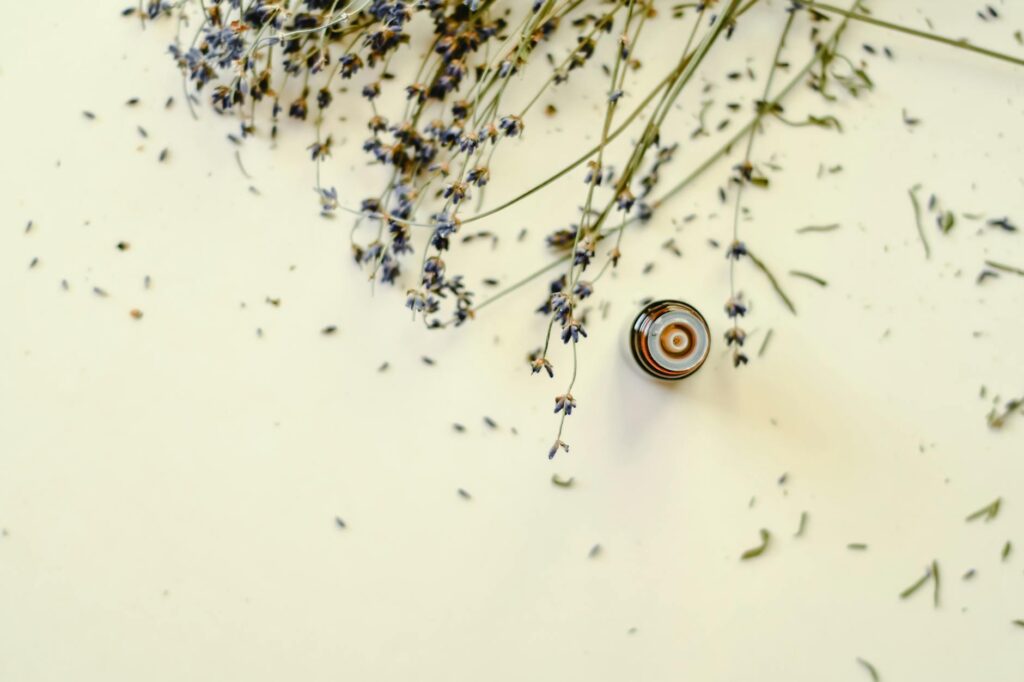
Common essential oils used in these blends include lavender, chamomile, bergamot, and frankincense. Each oil possesses unique properties that contribute to a harmonious blend aimed at alleviating stress and anxiety in a work setting.
Key Benefits and Properties
The use of aromatherapy blends for stress relief offers numerous benefits, including:
1. Emotional Balance: Many essential oils possess mood-enhancing properties that can help stabilize emotions and reduce feelings of anxiety.
2. Enhanced Focus: Certain oils can help improve concentration and mental clarity, making it easier to tackle work-related tasks.
3. Physical Relaxation: Some essential oils are known for their muscles-relaxing properties, which can alleviate tension built up during long hours of work.
4. Improved Sleep Quality: Regular exposure to calming aromas can promote better sleep, which is essential for overall well-being and productivity.
5. Natural and Holistic: Aromatherapy blends provide a natural alternative to synthetic stress-relief methods, appealing to those seeking holistic health solutions.
Common Uses
Aromatherapy blends for stress relief can be utilized in various ways, making them suitable for different work environments. Common uses include:
1. Diffusion: Using an essential oil diffuser in a workspace can help disperse the calming aroma throughout the area, creating a tranquil atmosphere.
2. Inhalation: A few drops of essential oil can be added to a handkerchief or cotton ball for direct inhalation, providing immediate relief during stressful moments.
3. Topical Application: When properly diluted with a carrier oil (such as coconut or jojoba oil), aromatherapy blends can be applied to pulse points like wrists, temples, and the back of the neck.
4. Bathing: Adding essential oils to a warm bath can provide a relaxing break during a hectic workday, although this method is more suitable for home use.
5. Sprays: Creating a room or linen spray with essential oils can help refresh the workspace and promote a serene environment.
Aromatherapy Applications
Integrating aromatherapy into the workplace can be done in several ways:
1. Personal Diffusers: Portable diffusers can be used at individual workstations, allowing employees to enjoy their preferred scents without disturbing others.
2. Workshops: Companies can offer workshops on how to create custom blends, educate staff on the benefits of aromatherapy, and foster a culture of well-being.
3. Relaxation Areas: Designating a quiet space with diffusers and relaxing scents can provide employees with a retreat for short breaks.
4. Mindfulness Practices: Incorporating aromatherapy into mindfulness or meditation practices can enhance the overall experience, promoting deeper relaxation.
Safety Considerations
While aromatherapy can be beneficial, safety should always be a priority. Here are essential precautions to consider:
1. Dilution: Essential oils are potent substances and should always be diluted with a carrier oil before topical application to prevent skin irritation.
2. Allergies and Sensitivities: Conduct a patch test before using any new essential oil to ensure there are no adverse reactions. Individuals with allergies or sensitivities should avoid specific oils.
3. Pregnancy and Medical Conditions: Pregnant individuals or those with specific medical conditions should consult a healthcare professional before using essential oils.
4. Ventilation: Ensure proper ventilation when using diffusers to avoid overwhelming scents that may lead to headaches or nausea.
5. Quality of Oils: Choose high-quality, pure essential oils from reputable sources. Synthetic oils may contain harmful additives and should be avoided.
6. Avoiding Certain Oils: Some essential oils, such as eucalyptus or peppermint, may not be suitable for individuals with respiratory conditions.
Storage and Shelf Life
Proper storage of essential oils is crucial to maintain their potency and extend their shelf life. Here are some guidelines:
1. Dark Containers: Store essential oils in dark glass bottles to protect them from light, which can degrade the oils.
2. Cool, Dry Place: Keep oils in a cool, dry environment away from direct sunlight and heat sources.
3. Expiration: Most essential oils have a shelf life of 1 to 3 years, although some oils, like sandalwood, can last longer. Always check for signs of degradation, such as changes in color, smell, or viscosity.
4. Labeling: Properly label containers with the name and date of purchase to keep track of freshness.
Frequently Asked Questions
1. Can aromatherapy blends be used by everyone?
While aromatherapy is generally safe for most individuals, those with specific allergies, sensitivities, or medical conditions should consult a healthcare professional before use.
2. How often should I use aromatherapy blends for stress relief?
The frequency of use can vary based on individual needs. Many people find that using aromatherapy throughout the day, especially during stressful moments, can be beneficial.
3. Are there any essential oils that should be avoided in the workplace?
Certain oils, such as those with strong scents or those known to trigger allergies, may not be suitable for a shared workspace. It’s essential to consider the preferences and sensitivities of colleagues.
4. Is it safe to use essential oils in a diffuser continuously throughout the day?
While diffusing essential oils can be beneficial, it’s advisable to take breaks between uses to prevent overwhelming scents and to ensure proper ventilation.
5. Can I create my own aromatherapy blends for stress relief?
Yes, creating your own blends can be a rewarding experience. Experiment with different essential oils to find combinations that resonate with you, but always follow safety guidelines regarding dilution and use.
Conclusion
Aromatherapy blends for stress relief during work offer a natural, holistic approach to managing workplace stress. By understanding their uses, benefits, and safety considerations, individuals can incorporate these soothing scents into their daily routines. As with any wellness practice, it is essential to prioritize personal well-being and consult professionals when necessary. Embracing the calming power of aromatherapy may just be the key to a more balanced and harmonious work experience.