
Is Aromatherapy Blends for Travel Anxiety Safe? Uses, Benefits and Precautions
Introduction
Traveling can be an exciting yet daunting experience. For many, the anticipation of a trip is often overshadowed by feelings of anxiety and stress related to travel. Aromatherapy has emerged as a popular complementary approach to managing these feelings. This article delves into aromatherapy blends specifically designed for travel anxiety, exploring their safety, uses, benefits, and precautions.
What Is Aromatherapy Blends for Travel Anxiety?
Aromatherapy is the practice of using essential oils extracted from plants to enhance physical and emotional well-being. Blends specifically formulated for travel anxiety typically combine various essential oils known for their calming and soothing properties. Common ingredients may include lavender, chamomile, bergamot, and frankincense, among others. These blends can be inhaled, applied topically, or used in diffusers to create a serene environment.
Key Benefits and Properties
Calming Effects
Many essential oils used in travel anxiety blends possess calming properties. For instance, lavender is renowned for its ability to reduce stress and promote relaxation. Chamomile may help ease tension, while bergamot can uplift mood and alleviate feelings of anxiety.
Emotional Balance
Travel anxiety can often stem from fear of the unknown, crowded spaces, or unfamiliar environments. Aromatherapy blends can help restore emotional balance, providing a sense of comfort and security. The olfactory system is closely linked to the limbic system in the brain, which governs emotions; inhaling soothing scents can trigger positive emotional responses.
Improved Focus
For some travelers, anxiety manifests as difficulty concentrating or focusing on tasks. Certain essential oils, like rosemary, are believed to enhance cognitive function and improve mental clarity, thereby helping travelers stay grounded amidst chaos.
Enhanced Sleep Quality
Traveling, especially across time zones, can disrupt sleep patterns. Aromatherapy blends containing sedative essential oils can promote relaxation and assist with better sleep, making the travel experience more enjoyable.
Common Uses
Aromatherapy blends for travel anxiety can be utilized in a variety of contexts:
1. Pre-Travel Preparation: Applying a calming blend before embarking on a journey can help set a positive tone for the trip.
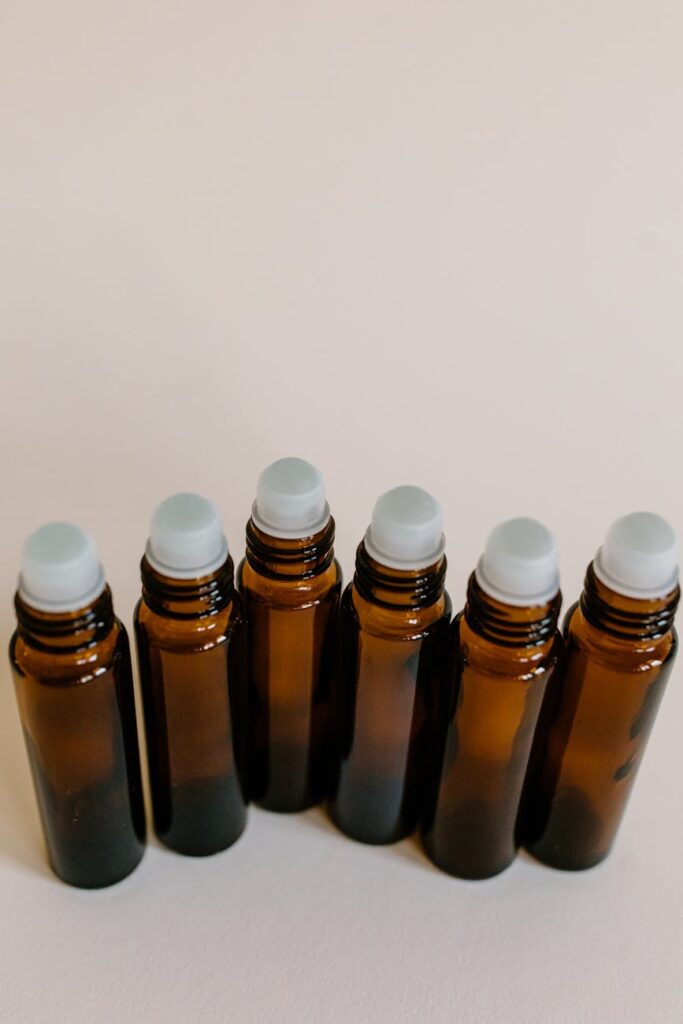
2. During Travel: Inhalers, roll-ons, or personal diffusers can be used during the journey, whether on a plane, train, or car, to alleviate anxiety as it arises.
3. Post-Travel Recovery: After arriving at a destination, using a relaxing blend can help individuals unwind and adjust to new surroundings.
4. Traveling with Children: Some parents find that using gentle aromatherapy blends can help soothe anxious children during travel.
Aromatherapy Applications
Inhalation
One of the simplest methods of using aromatherapy blends is through inhalation. This can be done by adding a few drops of essential oil to a tissue or cotton ball and inhaling deeply. Aromatherapy inhalers are also available, providing a portable option for on-the-go use.
Topical Application
Diluting essential oils in a carrier oil and applying them to pulse points (like wrists or neck) can create a calming effect. It is essential to perform a patch test before applying any blend to the skin to check for potential allergic reactions.
Diffusion
Using a diffuser to disperse essential oils into the air can create a calming atmosphere in any environment. This method is particularly useful in hotel rooms or places where individuals are staying temporarily.
Bathing
Adding a few drops of an aromatherapy blend to a warm bath can enhance relaxation and help relieve tension after a long journey.
Safety Considerations
While aromatherapy blends can be beneficial, certain precautions should be observed to ensure safety:
Skin Sensitivity
Essential oils are highly concentrated and can irritate sensitive skin. Always dilute essential oils with a carrier oil before applying them topically. A patch test—applying a small amount to a discreet area of skin—can help identify any allergic reactions.
Pre-existing Conditions
Individuals with certain medical conditions, such as asthma or allergies, should consult a healthcare professional before using aromatherapy. Pregnant or nursing women should also seek advice, as some essential oils may not be safe during these periods.
Quality of Essential Oils
Not all essential oils are created equal. It is crucial to source high-quality, pure essential oils from reputable suppliers. Synthetic or diluted oils may not offer the desired benefits and could pose health risks.
Avoiding Ingestion
Essential oils should not be ingested unless under the guidance of a qualified professional. Ingestion can lead to toxicity and adverse reactions.
Storage and Shelf Life
Proper storage of essential oils is vital to maintaining their potency. Essential oils should be kept in dark glass bottles in a cool, dry place away from direct sunlight. Most essential oils have a shelf life of 1 to 3 years, depending on the type. Citrus oils generally have a shorter shelf life compared to woodsy or spicy oils.
Frequently Asked Questions
1. Can I use aromatherapy blends while driving?
While many individuals find aromatherapy helpful for relaxation, using certain essential oils while driving may cause drowsiness. It is advisable to use blends designed for alertness or focus if you plan to drive.
2. Are there specific oils to avoid for travel anxiety?
While most essential oils are safe when used correctly, some, like wintergreen or eucalyptus, may not be suitable for everyone. Always consider individual sensitivities and consult with a healthcare provider if uncertain.
3. How often can I use aromatherapy blends?
Aromatherapy can be used as often as needed, but moderation is key. Overuse of certain essential oils can lead to sensitization or diminished effects. Listen to your body and adjust usage accordingly.
4. Can children use aromatherapy blends for travel anxiety?
Many essential oils are safe for children when diluted appropriately. However, it is crucial to consult a pediatrician or an aromatherapy professional to determine which oils are suitable for children and the appropriate dilution ratios.
5. How should I choose an aromatherapy blend for travel anxiety?
Selecting an aromatherapy blend may depend on personal preferences and individual responses to different scents. Experimenting with various essential oils and blends can help individuals discover what works best for them.
Conclusion
Aromatherapy blends for travel anxiety offer a holistic approach to managing the stress and unease that can accompany travel. By harnessing the calming properties of essential oils, travelers can create a soothing environment that enhances their journey. However, it is essential to use these blends safely and responsibly, taking into account individual sensitivities and medical conditions. With careful consideration and proper application, aromatherapy can serve as a valuable ally in creating a more enjoyable travel experience.