
Is Aromatherapy Diffusers Safe? Uses, Benefits and Precautions
Introduction
Aromatherapy, a holistic healing practice that utilizes the aromatic properties of essential oils, has gained popularity in recent years for its potential therapeutic benefits. Central to this practice are aromatherapy diffusers, devices designed to disperse essential oils into the air, allowing individuals to experience the scents and purported benefits of various oils. As with any wellness practice, understanding the safety, benefits, and proper usage of aromatherapy diffusers is essential for achieving a harmonious experience.
What Is Aromatherapy Diffusers?
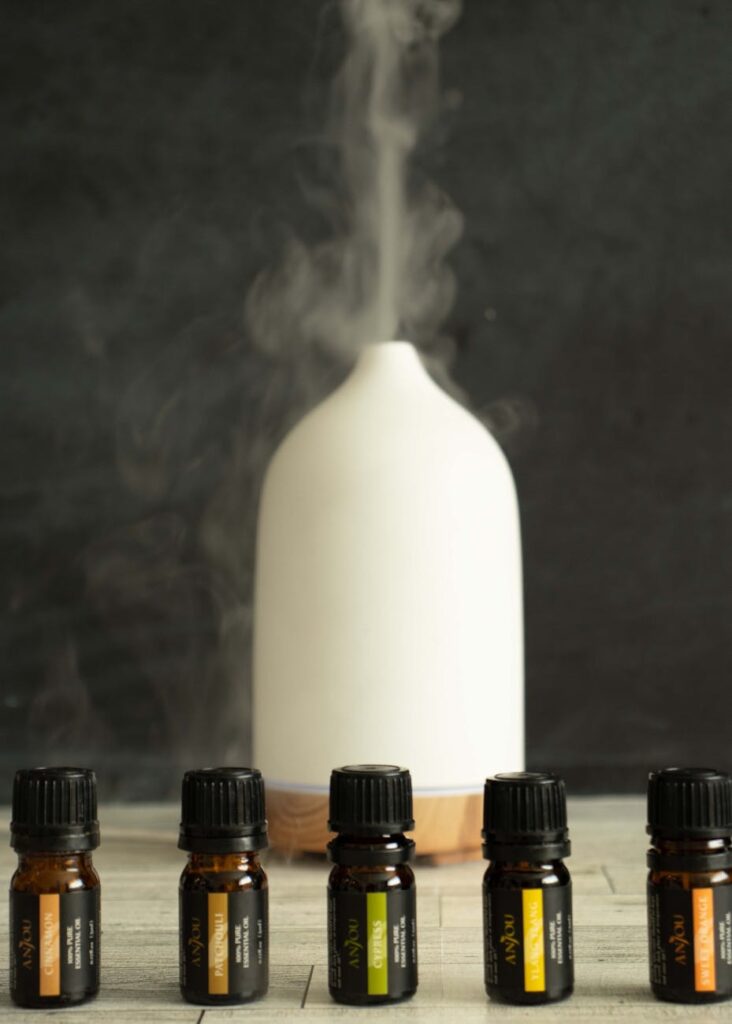
Aromatherapy diffusers are devices that vaporize essential oils and disperse their aromatic molecules into the air. They come in various forms, including:
- Ultrasonic Diffusers: Use water and ultrasonic waves to create a fine mist of essential oils and water.
- Nebulizing Diffusers: Directly vaporize undiluted essential oils without water, providing a more concentrated aroma.
- Evaporative Diffusers: Utilize a fan to blow air through a pad or filter that has essential oils on it.
- Heat Diffusers: Use heat to evaporate the oils, though this may alter the properties of the oils.
- Mood Enhancement: Certain essential oils, such as lavender and citrus oils, are known to promote relaxation and uplift mood.
- Stress Relief: Aromas like chamomile and bergamot may help reduce feelings of anxiety and stress.
- Improved Sleep: Diffusing calming oils before bedtime can create a soothing environment conducive to sleep.
- Air Quality Improvement: Some essential oils possess antimicrobial properties that may help purify the air.
- Focus and Concentration: Oils like peppermint and rosemary can stimulate mental clarity and enhance focus.
- Home Environments: Many people use diffusers in living rooms, bedrooms, and offices to create a pleasant atmosphere.
- Yoga and Meditation: Diffusers are often used during yoga sessions or meditation practices to enhance the experience and promote relaxation.
- Spa and Wellness Centers: Professional settings frequently incorporate diffusers to create a serene environment for clients.
- Workspaces: Using diffusers in offices can help to improve concentration and reduce stress levels among employees.
- Lavender: Known for its calming properties, often used to promote relaxation and improve sleep quality.
- Peppermint: Invigorating and refreshing, often used to enhance focus and alleviate headaches.
- Eucalyptus: Recognized for its refreshing scent, commonly used to promote respiratory health and clear the air.
- Lemon: Bright and uplifting, often used to enhance mood and create a fresh atmosphere.
- Tea Tree: Known for its purifying properties, often used in spaces requiring enhanced air quality.
- Cool, Dark Place: Store essential oils in a cool, dark place away from direct sunlight and heat sources.
- Tightly Sealed Containers: Use amber or cobalt glass bottles with tight seals to prevent oxidation and degradation.
- Shelf Life: Most essential oils have a shelf life of 1 to 5 years, depending on the oil type and storage conditions. Regularly check for any changes in scent or appearance.
Each type of diffuser operates differently, affecting the intensity and duration of the fragrance released into the environment.
Key Benefits and Properties
The primary purpose of using aromatherapy diffusers is to enhance the ambiance of a space while potentially providing emotional and psychological benefits. Some of the key benefits associated with aromatherapy diffusers include:
The benefits can vary significantly based on the individual, the type of oil used, and the context in which the diffuser is employed.
Common Uses
While aromatherapy diffusers can be used in various settings, some common applications include:
Aromatherapy Applications
The versatility of aromatherapy diffusers allows for a range of applications depending on the essential oils chosen. Here are a few popular essential oils and their common uses:
Different essential oils can be blended to create synergistic effects, customizing the aromatic experience to individual preferences.
Safety Considerations
While aromatherapy diffusers can be beneficial, it is crucial to observe safety precautions:
1. Dilution: Essential oils should be used according to the manufacturer’s recommendations. Some oils may need to be diluted with a carrier oil before use, especially in topical applications.
2. Quality of Essential Oils: Always choose high-quality, pure essential oils from reputable sources. Synthetic or diluted oils may not provide the desired benefits and could cause adverse reactions.
3. Ventilation: Ensure that the space is well-ventilated when using a diffuser. Overexposure to concentrated essential oils can lead to respiratory discomfort or headaches.
4. Allergies and Sensitivities: Individuals with allergies or sensitivities should exercise caution. It is advisable to conduct a patch test or consult with a qualified professional if unsure.
5. Pet Safety: Some essential oils are toxic to pets. Research and verify pet-safe options if animals are present in the home.
6. Children and Pregnant Women: Certain essential oils are contraindicated for use around young children and pregnant women. Always research and consult appropriate resources when considering their use in these populations.
Storage and Shelf Life
Proper storage of essential oils is essential for maintaining their potency and effectiveness. Here are some guidelines:
Frequently Asked Questions
1. Can I use any essential oil in a diffuser?
Not all essential oils are suitable for diffusing. Some oils may be too thick or not intended for aromatic use. It is essential to check the manufacturer’s guidelines for recommended oils.
2. How often should I run my diffuser?
The frequency of use depends on personal preference and the specific environment. Many individuals run their diffuser for 30-60 minutes at a time, allowing for breaks to prevent overwhelming the space with scent.
3. Can I mix different essential oils in my diffuser?
Yes, many people enjoy blending essential oils to create unique aromas. Experimenting with different combinations can lead to delightful and personalized scents.
4. Is aromatherapy safe for children?
While many essential oils can be used safely around children, it is crucial to research specific oils and consult with professionals before use. Some oils may be too strong or irritating for young children.
5. What should I do if I experience a negative reaction?
If you experience any adverse effects, such as headaches, nausea, or respiratory discomfort, immediately discontinue use and ventilate the area. If symptoms persist, consult a healthcare professional.
Conclusion
Aromatherapy diffusers offer a unique way to experience the benefits of essential oils, enhancing both physical and emotional well-being. By understanding the various types of diffusers, their benefits, and safety considerations, individuals can create a personalized and soothing atmosphere in their homes and workplaces. Ultimately, when used mindfully, aromatherapy diffusers can be a delightful addition to one’s wellness practices, fostering a more serene and harmonious environment.