
Is Aromatherapy for Anxiety Relief Blends Safe? Uses, Benefits and Precautions
Introduction
Aromatherapy is an ancient practice that utilizes essential oils extracted from plants, herbs, and flowers to promote physical and emotional well-being. As a holistic approach to health, it has gained popularity in recent years, particularly for its potential in alleviating anxiety. This article explores the various aspects of aromatherapy blends designed for anxiety relief, including their uses, benefits, safety considerations, and more.
What Is Aromatherapy for Anxiety Relief Blends?
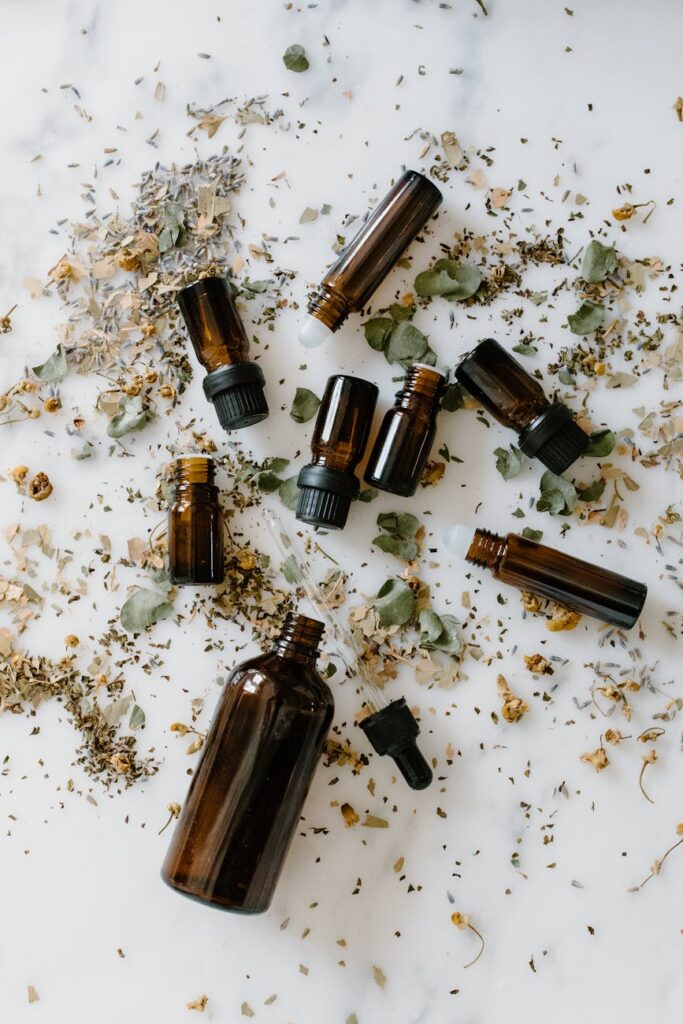
Aromatherapy for anxiety relief blends typically consists of a combination of essential oils known for their calming properties. These oils can be derived from various plants, each contributing unique therapeutic qualities. Commonly used essential oils for anxiety include lavender, chamomile, bergamot, and ylang-ylang. When blended together, these oils can enhance their individual effects, creating a synergistic blend that may help ease feelings of stress and anxiety.
Key Benefits and Properties
The therapeutic benefits of aromatherapy blends for anxiety relief are primarily attributed to the chemical compounds found in essential oils. Here are some key properties and benefits associated with commonly used essential oils:
1. Lavender: Known for its soothing and calming effects, lavender oil may help reduce anxiety and promote relaxation. Its fragrance is believed to lower heart rate and blood pressure.
2. Bergamot: This citrus oil has a refreshing scent that is thought to alleviate stress and enhance mood. Research suggests it may reduce cortisol levels, contributing to a sense of calm.
3. Chamomile: Often consumed as tea, chamomile essential oil is also used for its calming effects. It may help with insomnia and anxiety, making it a popular choice in blends.
4. Ylang-Ylang: This sweet-scented oil is known for its ability to reduce feelings of anger and tension. It may also promote feelings of joy and uplift the spirit.
5. Frankincense: Traditionally used in spiritual practices, frankincense is believed to promote emotional balance and grounding, making it a valuable addition to anxiety relief blends.
Common Uses
Aromatherapy blends for anxiety can be employed in various contexts, depending on individual preferences and situations. Common uses include:
- Diffusion: Placing a few drops of the blend in a diffuser can fill a room with calming aromas, providing a soothing environment.
- Massage: Diluting essential oils with a carrier oil and using them for massage can enhance relaxation and relieve muscle tension.
- Baths: Adding a few drops of essential oil blends to a warm bath can create a tranquil experience, promoting relaxation and reducing anxiety.
- Inhalation: Direct inhalation from the bottle or using an inhaler can provide immediate relief in stressful situations.
- Topical Application: Applying diluted blends to pulse points (such as wrists or temples) can help maintain a sense of calm throughout the day.
- Essential Oil Diffusers: Electric or candle diffusers can disperse essential oils into the air, creating an inviting atmosphere conducive to relaxation.
- Roller Bottles: Pre-mixed blends in roller bottles allow for convenient topical application. Users can easily carry them for on-the-go relief.
- Aromatherapy Inhalers: These portable devices allow users to inhale concentrated essential oil blends, providing quick relief when needed.
- Bath and Body Products: Many commercially available bath oils, lotions, and candles incorporate calming essential oils, providing a convenient way to experience the benefits of aromatherapy.
- Cool, Dark Place: Store essential oils in a cool, dark place away from direct sunlight to prevent degradation.
- Tightly Sealed Bottles: Ensure that bottles are tightly sealed when not in use to prevent evaporation and oxidation.
- Shelf Life: The shelf life of essential oils varies by type. Generally, citrus oils have a shorter shelf life (1-2 years), while oils like sandalwood and patchouli can last for several years if stored properly.
Aromatherapy Applications
The application of aromatherapy for anxiety relief can vary based on personal preference and specific needs. Here are some popular methods:
Safety Considerations
While aromatherapy can offer numerous benefits, it is essential to consider safety guidelines to ensure a positive experience:
1. Dilution: Essential oils are highly concentrated and should be diluted with a carrier oil (such as coconut or jojoba oil) before topical application. A general guideline is to use a 2-5% dilution for adults.
2. Patch Testing: Before applying a new blend to a larger area of the skin, conduct a patch test on a small area to check for any allergic reactions.
3. Pregnancy and Nursing: Some essential oils may not be safe for pregnant or nursing women. It is advisable to consult with a healthcare professional before use.
4. Medical Conditions: Individuals with specific health conditions or those taking medication should consult a healthcare provider before using essential oils, as they may interact with certain medications.
5. Children and Pets: Certain essential oils can be toxic to children and pets. Always research the safety of specific oils before use in households with children or animals.
Storage and Shelf Life
Proper storage of essential oils is crucial to maintaining their potency and effectiveness. Here are some guidelines:
Frequently Asked Questions
1. Can aromatherapy completely cure anxiety?
Aromatherapy is not a cure for anxiety but may serve as a complementary practice to support overall well-being. It is best used in conjunction with other therapeutic approaches.
2. How quickly can I expect to feel the effects of aromatherapy for anxiety relief?
The effects can vary by individual and method of application. Diffusion might provide immediate calming effects, while topical applications may take longer to absorb.
3. Are all essential oils safe for aromatherapy?
Not all essential oils are safe. Some may cause skin irritation, allergic reactions, or interactions with medications. Always research specific oils and consult with a healthcare provider if unsure.
4. Can I create my own anxiety relief blend?
Yes, many individuals enjoy creating their own blends. Start with well-researched essential oils known for their calming properties and experiment to find a combination that resonates with you.
5. How often can I use aromatherapy for anxiety relief?
Frequency of use can vary. Many people incorporate it into their daily routines, while others may use it as needed during stressful situations.
Conclusion
Aromatherapy for anxiety relief blends offers a natural and holistic approach to managing stress and promoting emotional well-being. While many people find comfort and relief in these practices, it is essential to approach them with mindfulness and caution. Understanding the properties, potential benefits, and safety considerations can empower individuals to make informed decisions about incorporating aromatherapy into their wellness routines. Always seek guidance from qualified professionals when necessary, and remember that aromatherapy is just one tool in the broader landscape of mental wellness.