
Is Aromatherapy for Compassion and Empathy Blends Safe? Uses, Benefits and Precautions
Introduction
Aromatherapy, an ancient practice that utilizes essential oils for physical, mental, and emotional well-being, has gained popularity in contemporary wellness culture. Among the myriad of applications for essential oils, blends designed to enhance compassion and empathy have emerged as particularly intriguing. These blends aim to foster emotional connections and promote a sense of understanding and compassion for oneself and others. However, with the increasing interest in using essential oils, it’s crucial to explore their uses, benefits, precautions, and overall safety.
What Is Aromatherapy for Compassion and Empathy Blends?
Aromatherapy for compassion and empathy blends involves the use of specific essential oils that are believed to enhance feelings of empathy, understanding, and emotional support. These blends are often crafted by combining oils known for their calming, uplifting, and heart-opening properties. Common oils used in these blends may include lavender for its calming effects, rose for its ability to evoke feelings of love and compassion, and frankincense for promoting deep emotional healing. The intention behind these blends is to create an emotional environment that fosters deeper connections and empathy toward oneself and others.
Key Benefits and Properties
The benefits of aromatherapy for compassion and empathy blends can be categorized into emotional, psychological, and social aspects:
Emotional Benefits
- Calming Effects: Many essential oils used in these blends have calming properties, which can help reduce anxiety and create a safe emotional space for connection.
- Mood Enhancement: Oils like bergamot and jasmine may uplift mood and promote a sense of well-being, making it easier to approach others with compassion.
- Encouragement of Self-Love: Essential oils like rose can help individuals cultivate a loving relationship with themselves, which is foundational for extending empathy to others.
- Stress Reduction: The inhalation of essential oils can lead to physiological changes that reduce stress levels, thus improving emotional clarity and empathy.
- Mindfulness Promotion: Many people find that the use of essential oils during meditation or mindfulness practices enhances their ability to connect emotionally with themselves and others.
- Improved Communication: By fostering an emotional state conducive to connection, these blends may enhance interpersonal communication and understanding.
- Strengthening Relationships: Compassion and empathy are vital components of healthy relationships. Aromatherapy can serve as a tool to facilitate deeper emotional bonds.
- Meditation and Mindfulness: Incorporating these blends into personal meditation practices can deepen emotional awareness and understanding.
- Self-Care Routines: Adding these oils to personal care routines, such as baths or massages, can create a nurturing environment for emotional healing.
- Group Therapies: These blends can be diffused in group settings, such as counseling sessions or workshops, to create a shared atmosphere of understanding.
- Conflict Resolution: Using these oils during discussions to mediate conflicts may help participants approach conversations with an open heart.
- Cool, Dark Place: Essential oils should be stored in cool, dark places to prevent degradation from heat and light.
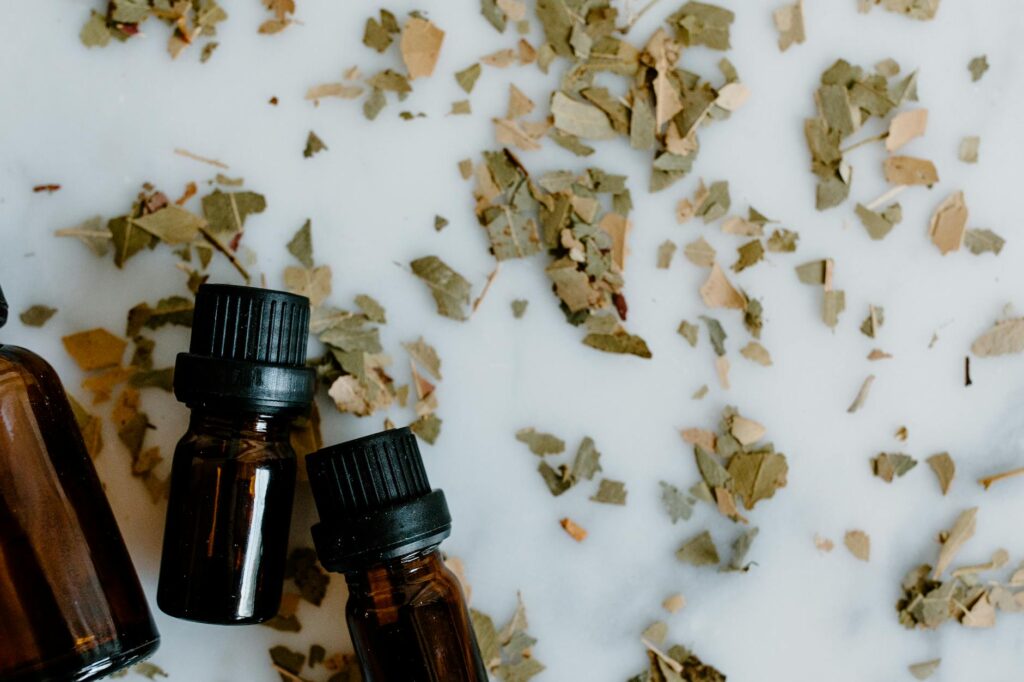
- Tightly Sealed Containers: Use dark glass bottles to protect the oils from UV light and ensure they are tightly sealed to avoid oxidation.
Psychological Benefits
Social Benefits
Common Uses
Aromatherapy for compassion and empathy blends can be utilized in various settings and contexts:
Personal Use
Social Settings
Aromatherapy Applications
There are various methods to apply aromatherapy for compassion and empathy blends. Each method can be tailored to individual preferences and situations:
Diffusion
Using a diffuser to disperse essential oils into the air is one of the most common applications. This method allows for a gentle and pervasive distribution of scent, creating a calm and inviting atmosphere.
Inhalation
Direct inhalation is another effective method. Simply placing a few drops of an essential oil blend on a tissue or in one’s palms and inhaling deeply can provide immediate emotional benefits.
Topical Application
Essential oils can be diluted with a carrier oil and applied to pulse points, such as wrists or behind the ears. This method allows for the oils to interact with the body’s chemistry and provides a longer-lasting effect.
Bathing
Adding essential oils to a warm bath can create a soothing experience, promoting relaxation and emotional release. It’s advisable to mix essential oils with a carrier oil before adding them to the bath to avoid skin irritation.
Safety Considerations
While aromatherapy can be beneficial, it is essential to approach it with caution. Here are some safety considerations to keep in mind:
Skin Sensitivity
Some individuals may have sensitive skin or allergies to specific essential oils. It is advisable to conduct a patch test before applying any oil directly to the skin. This involves applying a small amount of diluted oil to a discreet area and observing for any adverse reactions.
Dilution
Essential oils are potent and should be diluted with a carrier oil before topical application. A general guideline is to use a dilution ratio of 1-2% for adults (1-2 drops of essential oil per teaspoon of carrier oil).
Pregnant or Nursing Individuals
Pregnant or nursing individuals should consult with a healthcare professional before using essential oils, as some oils may not be safe during pregnancy or lactation.
Children and Pets
Certain essential oils can be harmful to children and pets. It is important to research which oils are safe and to use appropriate dilutions.
Quality of Essential Oils
Always choose high-quality, pure essential oils from reputable sources. Adulterated or synthetic oils may not provide the intended benefits and could pose additional risks.
Storage and Shelf Life
Proper storage of essential oils is crucial for maintaining their efficacy and safety. Here are some guidelines:
Storage Conditions
Shelf Life
The shelf life of essential oils can vary depending on the type of oil and storage conditions. Generally, citrus oils have a shorter shelf life of about 1-2 years, while oils like sandalwood or patchouli can last for 5-10 years when stored properly. Always check for any changes in aroma or consistency before use.
Frequently Asked Questions
Can essential oils really enhance compassion and empathy?
While research on the specific effects of essential oils on compassion and empathy is limited, many users report positive emotional and psychological benefits from using particular blends.
Are there any essential oils that should be avoided?
Some essential oils, such as wintergreen and camphor, should be avoided by certain individuals due to potential toxicity. Always research specific oils to ensure their safety for your situation.
How often can I use compassion and empathy blends?
The frequency of use can vary based on individual preferences and responses. Listening to your body and adjusting accordingly is essential.
Can I create my own blends?
Yes, many individuals enjoy creating their own blends! However, it is recommended to familiarize yourself with the properties of different oils and to follow safety guidelines for dilution and application.
Is it safe to use essential oils around pets?
Certain essential oils can be harmful to pets. Always research and consult a veterinarian to ensure the oils you use are safe for your specific pets.
Conclusion
Aromatherapy for compassion and empathy blends offers a unique approach to emotional well-being, enhancing interpersonal connections and fostering understanding. While the benefits are widely reported, it is essential to approach these practices with caution, adhering to safety guidelines and individual sensitivities. By understanding the properties, applications, and precautions associated with these essential oils, individuals can create a nurturing environment that encourages emotional growth and connection.