
Is Aromatherapy for Creativity Enhancement Blends Safe? Uses, Benefits, and Precautions
Introduction
Aromatherapy has gained significant popularity as a holistic approach to wellness, leveraging the natural properties of essential oils to promote physical, mental, and emotional well-being. Among its many applications, enhancing creativity is a notable area of interest. This article explores the safety, uses, benefits, and precautions associated with aromatherapy blends designed to stimulate creative thinking.
What Is Aromatherapy for Creativity Enhancement Blends?
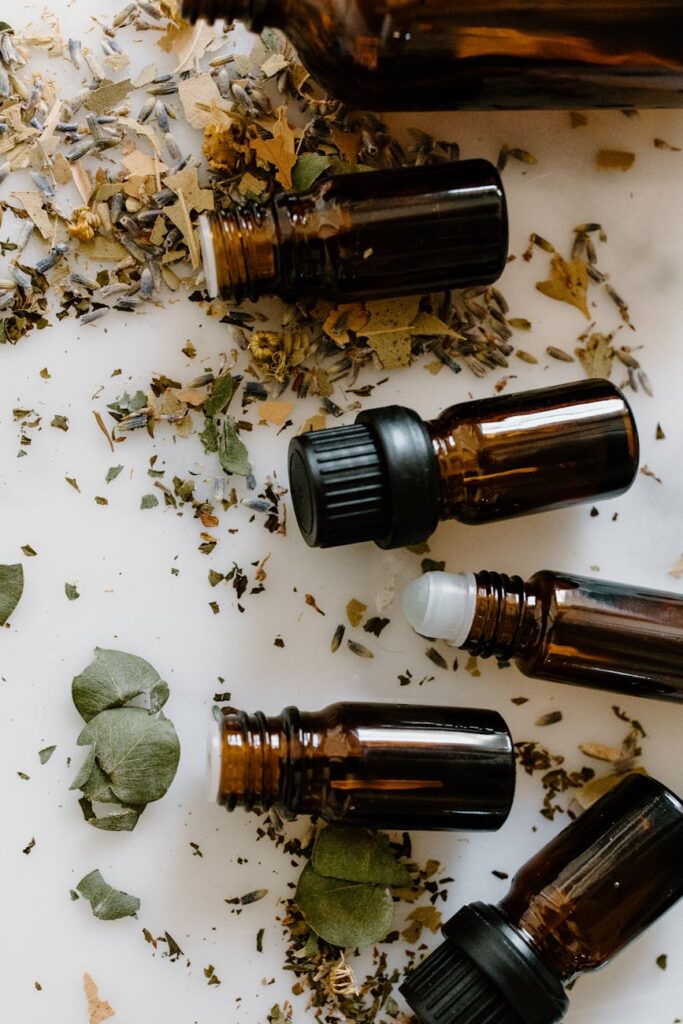
Aromatherapy for creativity enhancement involves the use of specific essential oils to inspire and stimulate creative processes. Essential oils are concentrated plant extracts obtained through distillation or cold pressing, capturing the plant’s characteristic scent and therapeutic properties. Blends aimed at enhancing creativity typically incorporate oils known for their uplifting, invigorating, and clarifying effects. These blends can be used in various formats, including diffusers, inhalers, or topical applications.
Key Benefits and Properties
1. Mood Elevation
Certain essential oils, such as citrus oils (e.g., orange, lemon, and grapefruit), are noted for their ability to uplift mood. An elevated mood can foster a more conducive environment for creative thinking and expression.
2. Stress Reduction
Stress and anxiety often stifle creativity. Oils like lavender, bergamot, and chamomile possess calming properties, helping to alleviate tension and promote relaxation, thereby opening the mind to new ideas.
3. Mental Clarity
Essential oils such as rosemary and peppermint are believed to enhance focus and concentration. Improved mental clarity can facilitate the brainstorming process and help in organizing thoughts effectively.
4. Inspiration Boost
Certain scents can evoke memories or feelings that spark inspiration. Oils like ylang-ylang and frankincense are often associated with introspection and creative visualization.
5. Enhanced Energy
Aromas like eucalyptus and ginger can invigorate the senses, providing a boost of energy that may be essential during creative endeavors.
Common Uses
1. Diffusion
Using a diffuser to disperse essential oils into the air is one of the most popular methods of aromatherapy. Blends intended for creativity can fill a workspace or studio with invigorating scents, creating an atmosphere conducive to creative work.
2. Inhalation
Inhalation is a direct way to enjoy the benefits of essential oils. A few drops of a creativity-enhancing blend can be placed on a tissue or cotton ball, or an inhaler can be used for portable aromatherapy.
3. Topical Application
When diluted with a carrier oil, essential oils can be applied to the skin. Common application points include pulse points, such as the wrists or temples. This method allows for the aroma to be inhaled continuously, while also providing potential localized effects.
4. Bathing
Adding essential oils to a warm bath can create a relaxing environment, promoting both physical and mental rejuvenation, which can be beneficial for creativity.
Aromatherapy Applications
1. Creative Workspaces
Incorporating essential oils into workspaces can enhance creativity. A blend of lemon, rosemary, and peppermint diffused during brainstorming sessions can invigorate the mind and stimulate creative thought.
2. Art and Craft Activities
Using creativity-enhancing blends during artistic activities can help to inspire new ideas. For example, applying an oil blend with lavender and ylang-ylang while painting may foster an atmosphere of calm and inspiration.
3. Writing and Brainstorming Sessions
For writers and content creators, essential oils like frankincense and bergamot can help alleviate writer’s block and facilitate a free flow of ideas.
Safety Considerations
While aromatherapy can be beneficial, it is essential to approach its use with caution. Here are some safety considerations:
1. Dilution
Essential oils are highly concentrated and should be diluted in a carrier oil before topical application to minimize the risk of skin irritation or allergic reactions. A common dilution ratio is 2-3 drops of essential oil per tablespoon of carrier oil.
2. Allergies and Sensitivities
Individuals with allergies or sensitivities should perform a patch test before using a new essential oil. Apply a diluted drop to a small area of skin and wait 24 hours to check for any adverse reactions.
3. Pregnancy and Nursing
Some essential oils may not be safe for use during pregnancy or while nursing. It is advisable to consult a qualified aromatherapist or healthcare provider for guidance on safe options.
4. Children and Pets
Certain essential oils are not suitable for use around children or pets. Always research specific oils and consult with a professional if unsure.
5. Environment
Ensure proper ventilation when using essential oils, especially in closed spaces. Strong scents can sometimes lead to headaches or nausea.
Storage and Shelf Life
Proper storage of essential oils is crucial for maintaining their potency and effectiveness. Keep essential oils in a cool, dark place, away from direct sunlight and heat. Glass bottles are preferable, as they do not react with the oils. Most essential oils have a shelf life ranging from 1 to 3 years, depending on the oil type and storage conditions. Always check for signs of degradation, such as changes in color or scent, before use.
Frequently Asked Questions
1. Can essential oils really enhance creativity?
While individual experiences may vary, many people report that specific essential oils can enhance their mood, focus, and inspiration, leading to improved creative output.
2. What are some popular essential oils for creativity?
Common essential oils associated with creativity enhancement include lemon, rosemary, peppermint, bergamot, lavender, frankincense, and ylang-ylang.
3. How can I create my own creativity-enhancing blend?
To create a personalized blend, select 2-4 essential oils that resonate with you. Use a ratio of 2-3 drops of each oil in a carrier oil or a diffuser blend. Experiment to find the combination that inspires you the most.
4. Are there any side effects associated with using essential oils?
While generally safe when used correctly, essential oils can cause skin irritation, allergic reactions, or respiratory issues in some individuals. Always take necessary precautions and consult with a professional if unsure.
5. How often can I use aromatherapy for creativity?
Frequency of use depends on personal preference and response. Many individuals find daily use, especially during creative sessions, beneficial. However, it is essential to listen to your body and adjust usage accordingly.
Conclusion
Aromatherapy for creativity enhancement blends offers a holistic approach to fostering inspiration and mental clarity. By understanding the benefits, applications, and safety considerations, individuals can explore the potential of essential oils in their creative pursuits. As with any wellness practice, personal experience will guide the most effective use of aromatherapy, making it a unique journey for each individual. Always prioritize safety and mindfulness in your aromatic explorations, and enjoy the enriching experience that essential oils can bring to your creative process.