
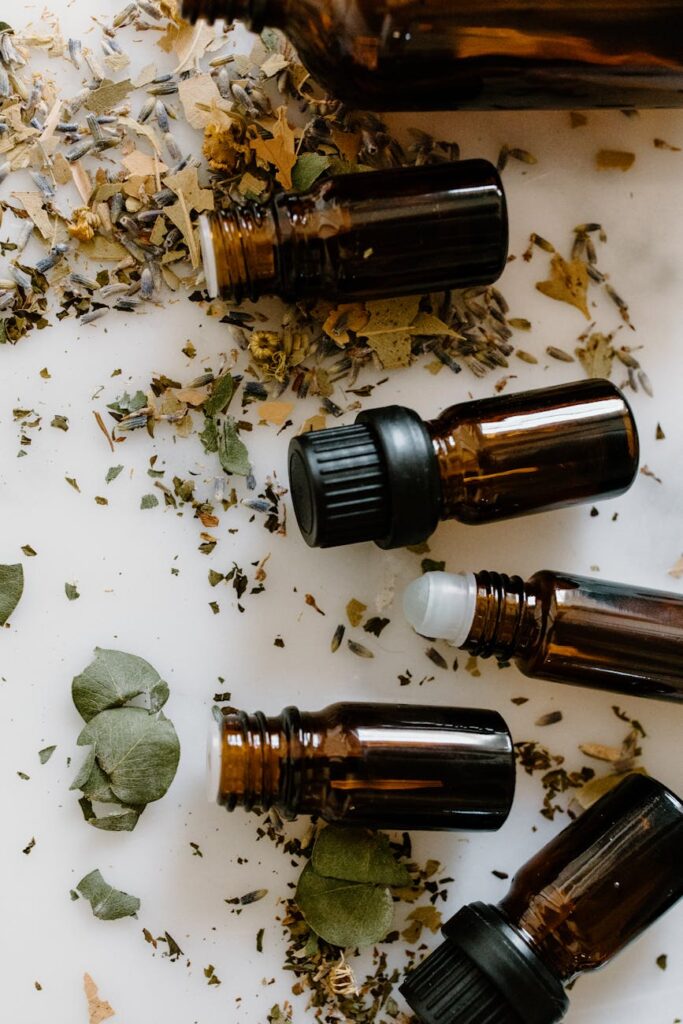
Is Aromatherapy for Digestive Health Blends Safe? Uses, Benefits and Precautions
Introduction
Aromatherapy, a holistic healing practice that utilizes the natural fragrances of essential oils, has gained popularity for its diverse applications, including digestive health. The aromatic compounds derived from plants can support various bodily functions, including digestion. This article explores the world of aromatherapy for digestive health blends, examining their properties, uses, benefits, and safety considerations.
What Is Aromatherapy for Digestive Health Blends?
Aromatherapy for digestive health blends refers to the use of specific essential oils that are believed to support digestive function and alleviate gastrointestinal discomfort. These blends can be inhaled, applied to the skin, or used in diffusers to create an aromatic environment. Common essential oils used in digestive health blends include peppermint, ginger, fennel, and cardamom, among others. Each of these oils carries distinct properties that may promote digestive wellness.
Key Benefits and Properties
The essential oils commonly used in digestive health blends offer a range of potential benefits:
1. Peppermint Oil
- Properties: Antispasmodic, carminative, analgesic.
- Benefits: May help relieve bloating, gas, and indigestion by relaxing the muscles of the gastrointestinal tract.
- Properties: Anti-inflammatory, digestive aid.
- Benefits: Often used to alleviate nausea and promote overall digestive health.
- Properties: Antimicrobial, carminative.
- Benefits: May help relieve bloating and promote digestion by reducing gas buildup.
- Properties: Antioxidant, digestive aid.
- Benefits: Can support digestive function and is often used to alleviate discomfort from indigestion or upset stomach.
- Diffusion: Adding a few drops of essential oils to a diffuser allows their aromatic compounds to circulate in the air, promoting relaxation and potentially aiding digestion.
- Topical Application: Diluting essential oils in a carrier oil (such as coconut or jojoba oil) and applying them to the abdomen can provide localized relief.
- Inhalation: Inhaling essential oils directly from the bottle or using an inhaler can provide immediate relief from digestive discomfort.
- Bathing: Adding essential oils to a warm bath can create a soothing environment that promotes relaxation and aids digestion.
- Ingredients: 3 drops of peppermint oil, 2 drops of fennel oil, and 1 drop of ginger oil combined with a carrier oil.
- Application: Gently massage the blend onto the abdomen in a clockwise direction.
- Ingredients: 2 drops of ginger oil and 2 drops of cardamom oil in a personal inhaler.
- Application: Inhale as needed when feeling nauseous.
- Ingredients: 3 drops of lavender oil, 2 drops of peppermint oil, and 1 drop of chamomile oil in a diffuser.
- Application: Diffuse the blend in a relaxing environment, particularly after meals.
- Ingredients: 5 drops of ginger oil and 5 drops of fennel oil mixed with a cup of Epsom salt.
- Application: Add to a warm bath for a soothing experience.
- Essential oils are potent and can cause skin irritation for some individuals. Always dilute essential oils with a carrier oil before topical application. A patch test on a small area of skin can help determine sensitivity.
- Certain essential oils may not be safe during pregnancy or while nursing. Consult with a healthcare professional before use.
- Individuals with allergies or respiratory conditions should exercise caution, as some essential oils can trigger reactions. Consider using oils known to be safe for sensitive individuals, such as lavender.
- The efficacy and safety of essential oils can vary significantly based on their quality. Always choose high-quality, therapeutic-grade oils from reputable sources.
- Special care should be taken when using essential oils around children and pets. Some oils may be toxic to animals or unsuitable for young children.
- Keep Away from Light: Store essential oils in dark glass bottles to protect them from light degradation.
- Cool Environment: Essential oils should be kept in a cool place, ideally at room temperature, to prevent evaporation or alteration of their chemical composition.
- Tightly Sealed: Ensure that bottles are tightly sealed when not in use to minimize exposure to air.
- Shelf Life: Most essential oils have a shelf life of 1-3 years, depending on the type. Citrus oils generally have a shorter shelf life. Always check for signs of spoilage, such as changes in color or scent.
- Aromatherapy can be a complementary approach to digestive health but should not replace medical treatments prescribed by healthcare professionals.
- Certain oils, such as eucalyptus and wintergreen, may not be suitable for digestive health and should be used with caution. Always research or consult a professional before use.
- Usage will vary based on individual needs. It is generally safe to use essential oils regularly, but listen to your body and adjust frequency based on your comfort and response.
- Yes, many essential oils can be blended together to enhance their effects. However, it is essential to research compatibility and safe dilution ratios.
- Ingesting essential oils is not generally recommended unless under the guidance of a qualified healthcare professional. Some oils can be toxic when taken internally.
2. Ginger Oil
3. Fennel Oil
4. Cardamom Oil
These oils work synergistically in various blends, enhancing their individual benefits to create a holistic approach to digestive care.
Common Uses
Aromatherapy for digestive health can be employed in a variety of ways:
Aromatherapy Applications
1. Blends for Bloating and Gas
2. Blends for Nausea Relief
3. Relaxing Digestive Blend
4. Digestive Support Bath
Safety Considerations
While aromatherapy can offer many benefits, it is essential to approach it with caution. Here are some safety considerations:
1. Skin Sensitivity
2. Pregnancy and Nursing
3. Allergies and Asthma
4. Quality of Essential Oils
5. Children and Pets
Storage and Shelf Life
Proper storage is crucial for maintaining the potency and efficacy of essential oils. Here are some tips:
Frequently Asked Questions
1. Can aromatherapy replace traditional medical treatments for digestive issues?
2. Are there any essential oils that should be avoided for digestive health?
3. How often can I use essential oils for digestive support?
4. Can I mix different essential oils for digestive health?
5. Are there any risks associated with ingesting essential oils?
Conclusion
Aromatherapy for digestive health blends offers a natural and holistic approach to supporting digestive wellness. With a variety of essential oils available, individuals can create custom blends tailored to their specific needs. However, as with any complementary therapy, it is essential to practice caution, prioritize quality, and consult with healthcare professionals when necessary. By understanding the properties, benefits, and safety considerations of essential oils, individuals can make informed decisions about incorporating aromatherapy into their wellness routines.