
Is Aromatherapy for Emotional Healing Blends Safe? Uses, Benefits, and Precautions
Introduction
Aromatherapy, an ancient practice rooted in the use of essential oils, has gained significant popularity in modern holistic health and wellness. Particularly, emotional healing blends derived from essential oils are increasingly recognized for their potential to support emotional well-being. This article aims to explore the safety, uses, benefits, and precautions associated with using aromatherapy for emotional healing, providing a comprehensive understanding of this intriguing practice.
What Is Aromatherapy for Emotional Healing Blends?
Aromatherapy for emotional healing involves the use of essential oils extracted from various plants, flowers, and herbs to influence mood, emotions, and overall mental well-being. These oils contain volatile compounds that are believed to interact with the limbic system of the brain, which plays a crucial role in controlling emotions. Emotional healing blends are typically formulated to address specific emotional challenges such as stress, anxiety, sadness, or fatigue.
Common essential oils used in these blends include lavender, chamomile, bergamot, and ylang-ylang. Each oil boasts unique properties that can evoke particular emotional responses, making them valuable tools for emotional healing.
Key Benefits and Properties
The potential benefits of aromatherapy for emotional healing are numerous and can vary depending on the essential oils used. Some of the notable benefits include:
1. Stress Reduction: Certain oils, such as lavender and chamomile, are renowned for their calming effects. They may help to alleviate stress and create a sense of tranquility.
2. Mood Elevation: Citrus oils like bergamot and sweet orange are often used to uplift mood and combat feelings of sadness or lethargy.
3. Anxiety Relief: Oils such as frankincense and ylang-ylang can promote relaxation and reduce anxiety levels.
4. Improved Sleep Quality: Many people find that using calming essential oils before bedtime can enhance sleep quality, thereby supporting emotional balance.
5. Enhanced Focus and Clarity: Oils like peppermint and rosemary may stimulate mental clarity and improve concentration, which can be beneficial during periods of emotional distress.
Common Uses
Aromatherapy for emotional healing can be applied in various contexts, depending on individual needs and preferences. Some common uses include:
- Diffusion: Using an essential oil diffuser to disperse aroma into the air, creating a calming or uplifting environment.
- Topical Application: Diluting essential oils in a carrier oil and applying them to pulse points, such as wrists or behind the ears.
- Inhalation: Directly inhaling essential oils from the bottle or a cotton ball for immediate emotional benefits.
- Bathing: Adding essential oils to bathwater can create a soothing atmosphere and promote relaxation.
- Massage: Incorporating essential oils into massage therapy can enhance the emotional benefits of touch and movement.
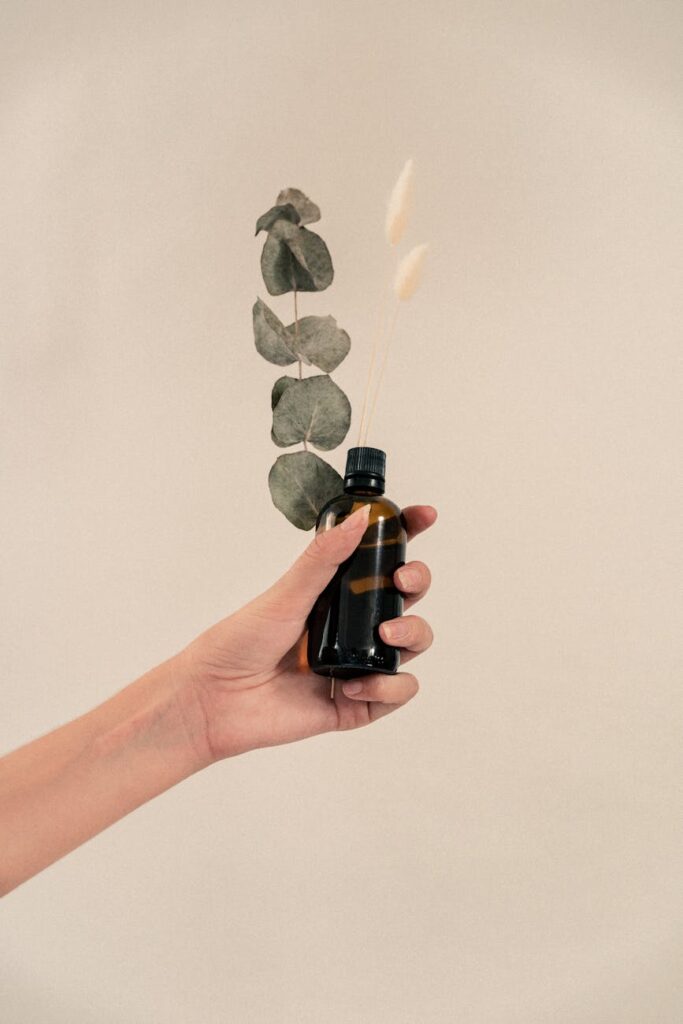
- Dark Glass Bottles: Essential oils should be stored in dark-colored glass bottles to protect them from light exposure.
- Cool Environment: Keeping oils in a cool, dry place helps prevent degradation and preserves their aromatic properties.
- Shelf Life: The shelf life of essential oils varies. Citrus oils typically last about one to two years, while oils like sandalwood and patchouli can last for several years if stored properly.
Aromatherapy Applications
The application of essential oils for emotional healing can be tailored to fit individual preferences. Here are several methods to consider:
1. Diffusers
Ultrasonic or nebulizing diffusers disperse essential oils into the air, allowing the user to inhale the aroma gradually. This method is especially effective for creating a calming environment during meditation, work, or relaxation.
2. Roller Bottles
Combining essential oils with a carrier oil in a roller bottle allows for easy application to pulse points. This method is convenient for on-the-go use and can be discreetly applied when emotional support is needed.
3. Inhalers
Aromatherapy inhalers are small, portable devices that allow for direct inhalation of essential oils. This method is particularly effective for quick relief during stressful situations.
4. Bath Blends
Adding essential oils to bathwater can create a luxurious and therapeutic experience. It is advisable to mix oils with a dispersant such as Epsom salt or a carrier oil to ensure even distribution in water.
5. Massage Oils
Incorporating essential oils into massage therapy can enhance the emotional benefits of physical touch. A professional massage therapist trained in aromatherapy can provide tailored experiences.
Safety Considerations
While aromatherapy is generally regarded as safe, several precautions should be taken to ensure a positive experience:
1. Dilution: Essential oils are highly concentrated and should be diluted with a carrier oil before topical application to avoid skin irritation.
2. Patch Testing: It is advisable to conduct a patch test on a small area of skin to check for any allergic reactions or sensitivities before using a new essential oil.
3. Consultation: Individuals with specific health conditions, pregnant or nursing women, and those taking medications should consult a healthcare professional before using essential oils.
4. Quality of Oils: Not all essential oils are created equal. It is important to purchase oils from reputable sources that provide information on purity and sourcing.
5. Avoiding Ingestion: Essential oils should not be ingested unless under the guidance of a qualified professional. Many essential oils can be toxic when consumed.
6. Storage: Essential oils should be stored in dark glass bottles, away from direct sunlight and heat, to prolong their shelf life.
Storage and Shelf Life
Proper storage is crucial for maintaining the efficacy and safety of essential oils. Here are some tips for storage:
Frequently Asked Questions
1. Can aromatherapy replace traditional therapies?
Aromatherapy can complement traditional therapies but should not be seen as a replacement for medical treatment. Individuals should consult healthcare professionals for guidance on emotional health.
2. Are there any side effects?
While generally safe, some individuals may experience allergic reactions or skin irritation. It is essential to dilute oils properly and conduct patch tests.
3. Can children use essential oils?
Certain essential oils are safe for children, but others may not be suitable. It is advisable to consult with a healthcare professional for guidance on the use of essential oils with children.
4. How do I choose the right essential oil for my emotional needs?
Selecting the right essential oil can depend on individual preferences and desired effects. Researching the properties of different oils can help in making an informed choice.
5. Is it safe to use essential oils around pets?
Some essential oils can be harmful to pets. It is essential to research which oils are safe and to consult a veterinarian if there are concerns about using them in homes with animals.
Conclusion
Aromatherapy for emotional healing blends offers a natural and holistic approach to supporting emotional well-being. By understanding the uses, benefits, and safety considerations associated with essential oils, individuals can make informed choices about incorporating aromatherapy into their daily lives. While it can provide emotional support and enhance overall well-being, it is essential to approach this practice with care, ensuring that it complements rather than replaces traditional therapeutic methods.