
Is Aromatherapy for Hormonal Balance Blends Safe? Uses, Benefits, and Precautions
Introduction
Aromatherapy, the practice of using essential oils for therapeutic purposes, has gained increasing attention for its potential benefits in promoting hormonal balance. As individuals navigate various life stages, hormonal fluctuations can impact mood, energy levels, and overall well-being. While essential oils are celebrated for their aromatic properties and health benefits, it is crucial to understand their applications, benefits, and safety precautions when considering their use for hormonal balance.
What Is Aromatherapy for Hormonal Balance Blends?
Aromatherapy for hormonal balance blends refers to the combination of specific essential oils that are believed to support hormonal health and equilibrium. These blends are typically crafted from natural plant extracts, each possessing unique properties that may influence hormonal activity. The essential oils are often used in conjunction with other wellness practices to promote a holistic approach to health.
Common essential oils associated with hormonal balance include:
- Clary Sage: Known for its potential to support menstrual health and reduce stress.
- Geranium: Valued for its uplifting properties and potential to regulate hormonal levels.
- Lavender: Often used for its calming effects, which may alleviate stress-related hormone fluctuations.
- Bergamot: Recognized for its mood-enhancing properties, which may indirectly support hormonal stability.
- Ingredients: Clary sage, lavender, and geranium.
- Use: Diffuse or apply topically during menstruation to alleviate cramps and mood swings.
- Ingredients: Bergamot, frankincense, and ylang-ylang.
- Use: Diffuse daily or apply to pulse points to reduce anxiety and promote relaxation.
- Ingredients: Sage, lavender, and chamomile.
- Use: Add to a warm bath or use in a diffuser to create a calming environment during hot flashes or mood fluctuations.
- Ingredients: Lavender, cedarwood, and marjoram.
- Use: Diffuse in the evening or apply to the bottoms of the feet before bedtime to promote restful sleep.
Key Benefits and Properties
The benefits of using aromatherapy for hormonal balance are diverse and can vary based on individual needs. Here are some key properties of essential oils commonly used in these blends:
1. Mood Regulation: Many essential oils have mood-enhancing properties, helping to mitigate stress, anxiety, and depression that can accompany hormonal changes.
2. Stress Reduction: Oils such as lavender and bergamot are known for their calming properties, which can reduce cortisol levels and promote relaxation.
3. Menstrual Support: Clary sage and geranium may help alleviate menstrual symptoms, providing comfort to those experiencing menstrual-related discomfort.
4. Support for Menopause: Certain oils may assist in managing menopausal symptoms such as hot flashes and mood swings, offering a natural alternative to traditional remedies.
5. Improved Sleep: Many essential oils promote relaxation and improved sleep quality, which is essential for hormonal balance.
Common Uses
Aromatherapy blends for hormonal balance can be applied in various ways to suit individual preferences and lifestyles. Here are some common methods of use:
1. Diffusion: Adding essential oils to a diffuser allows the gentle release of aromatic compounds into the air, creating a calming atmosphere that may promote emotional stability.
2. Topical Application: Diluting essential oils with a carrier oil (such as jojoba or coconut oil) enables safe topical application. Massaging these blends onto pulse points or areas of discomfort can enhance their effects.
3. Bath Soaks: Adding essential oils to bathwater can create a soothing experience that promotes relaxation and stress relief.
4. Inhalation: Direct inhalation from a bottle or a cotton ball can provide immediate benefits, especially in stressful situations.
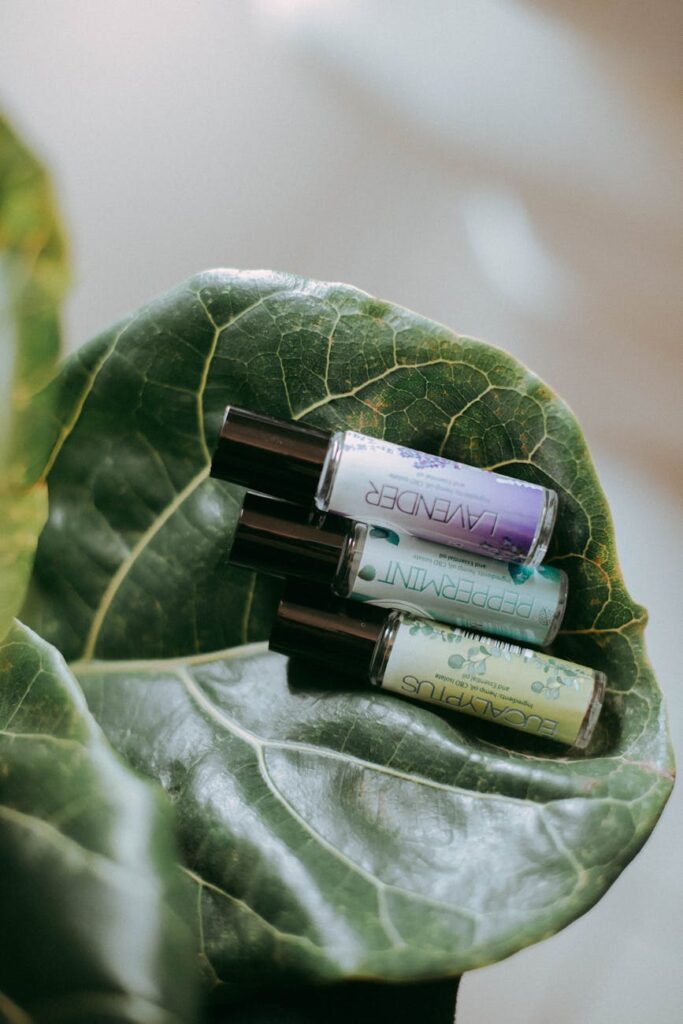
5. Roller Blends: Pre-made or DIY roller blends offer a convenient way to carry essential oils for on-the-go use.
Aromatherapy Applications
The application of aromatherapy for hormonal balance can be tailored to fit individual needs. Here are some suggested blends and their potential uses:
1. Menstrual Support Blend
2. Stress Relief Blend
3. Menopause Relief Blend
4. Sleep Support Blend
Safety Considerations
While aromatherapy can provide many benefits, safety is paramount when using essential oils. Here are some important considerations:
1. Dilution: Always dilute essential oils with a carrier oil before applying them to the skin to prevent irritation or allergic reactions. A common dilution ratio is 2-3 drops of essential oil per teaspoon of carrier oil.
2. Allergies and Sensitivities: Conduct a patch test on a small area of skin to check for allergic reactions. If irritation occurs, discontinue use immediately.
3. Pregnancy and Nursing: Some essential oils may not be safe for use during pregnancy or while nursing. It is essential to consult with a healthcare professional before use.
4. Medical Conditions: Individuals with specific health conditions, such as hormone-sensitive cancers or endocrine disorders, should exercise caution and seek advice from a qualified professional.
5. Quality of Essential Oils: Use high-quality, pure essential oils from reputable sources. Adulterated or synthetic oils may pose risks and diminish the potential benefits.
Storage and Shelf Life
Proper storage of essential oils is essential to preserve their potency and effectiveness. Here are some storage tips:
1. Dark Glass Containers: Store essential oils in dark glass bottles to protect them from light exposure, which can degrade their quality.
2. Cool, Dry Place: Keep oils in a cool, dry place away from direct sunlight and heat sources to maintain their integrity.
3. Shelf Life: The shelf life of essential oils varies. Generally, citrus oils have a shorter shelf life of 1-2 years, while oils like cedarwood and sandalwood can last for 5 years or more. Check the specific recommendations for each oil.
Frequently Asked Questions
1. Can aromatherapy replace traditional medical treatments for hormonal issues?
While aromatherapy can complement wellness practices, it should not replace medical treatments or advice for hormonal imbalances. Always consult a healthcare professional for proper diagnosis and treatment options.
2. Are there any essential oils that should be avoided during pregnancy?
Certain essential oils, such as clary sage and rosemary, are typically advised against during pregnancy. It is crucial to consult a qualified healthcare provider for guidance on safe oils to use.
3. How often can I use aromatherapy for hormonal balance?
The frequency of use depends on individual preferences and response. Listening to your body is essential; if you experience any adverse effects, reduce usage or discontinue.
4. Can I use essential oils for children?
Some essential oils may be safe for children when appropriately diluted. However, it is essential to consult with a healthcare professional or an experienced aromatherapist for specific recommendations.
5. How do I know if an essential oil is of high quality?
Look for essential oils that are labeled as pure, therapeutic-grade, and sourced from reputable suppliers. Avoid oils with synthetic additives or those that do not provide clear sourcing information.
Conclusion
Aromatherapy offers a natural approach to supporting hormonal balance through the use of essential oils. With potential benefits ranging from mood regulation to menstrual support, these blends can be a valuable addition to holistic wellness practices. However, awareness of safety precautions, proper application, and individual health considerations is essential. By understanding the uses, benefits, and precautions associated with aromatherapy for hormonal balance, individuals can make informed decisions that align with their health goals.