
Is Aromatherapy for Meditation and Mindfulness Blends Safe? Uses, Benefits, and Precautions
Introduction
Aromatherapy, the use of aromatic plant extracts for therapeutic purposes, has gained significant popularity in recent years, particularly within practices aimed at enhancing mental well-being, such as meditation and mindfulness. By harnessing the natural properties of essential oils, individuals seek to create a calming environment conducive to reflection and relaxation. This article explores the safety, benefits, and practical applications of aromatherapy for meditation and mindfulness blends while providing essential precautions to consider.
What Is Aromatherapy for Meditation and Mindfulness Blends?
Aromatherapy for meditation and mindfulness involves the use of specific essential oils that are believed to enhance mental clarity, emotional stability, and relaxation. These oils are derived from various parts of plants, including leaves, flowers, stems, and roots. When used in conjunction with meditation or mindfulness practices, they can create a multisensory experience that may deepen the practitioner’s engagement and help cultivate a peaceful state of mind.
Common essential oils used in these blends include lavender, frankincense, sandalwood, and bergamot, each chosen for its unique aromatic properties and purported psychological effects. The act of inhaling these scents can trigger emotional responses and influence the brain’s limbic system, which plays a critical role in regulating emotions and mood.
Key Benefits and Properties
Aromatherapy blends for meditation and mindfulness offer various benefits, including:
1. Stress Reduction: Many essential oils possess calming properties that can help alleviate feelings of stress and anxiety. For instance, lavender is well-known for its ability to promote relaxation.
2. Enhanced Focus: Certain oils, such as rosemary and peppermint, are believed to enhance mental clarity and focus, making them suitable for mindfulness practices that require concentration.
3. Emotional Balance: Essential oils like bergamot and ylang-ylang may help to stabilize emotions, promoting a sense of well-being and contentment.
4. Deepened Meditation: The use of specific scents can create an atmosphere that encourages deeper meditation, helping practitioners achieve a more profound state of awareness.
5. Improved Sleep: Many individuals incorporate these oils into their nighttime routines to promote restful sleep, which can enhance overall mental clarity and emotional health.
Common Uses
Aromatherapy blends can be utilized in various ways to complement meditation and mindfulness practices:
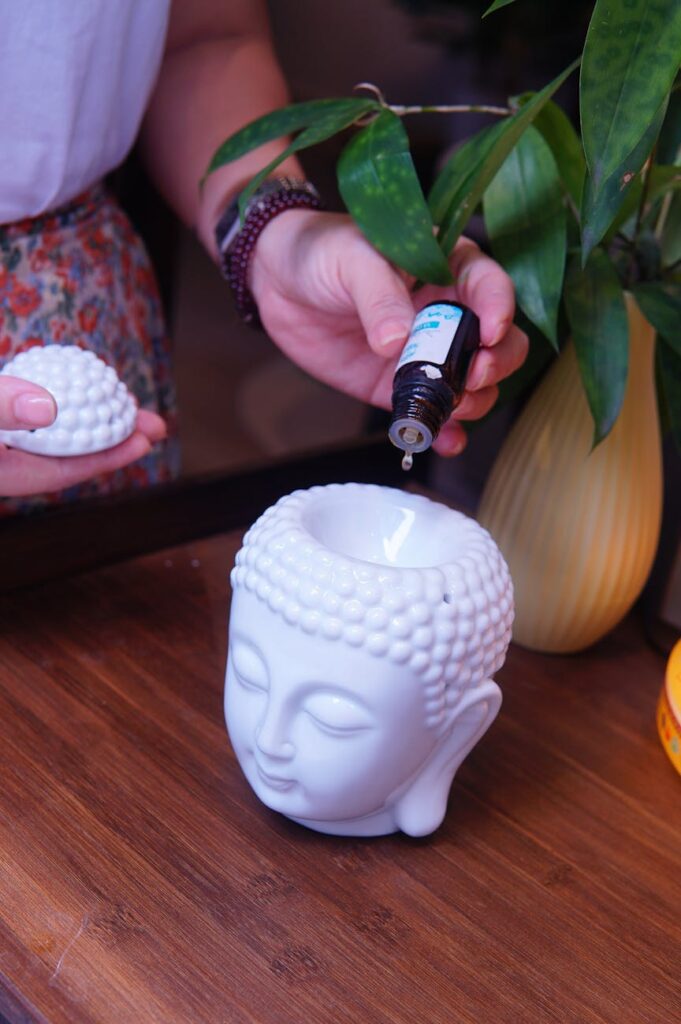
- Diffusion: Using an essential oil diffuser allows the scents to permeate the air in the meditation space. This method is particularly effective for creating a calming environment.
- Topical Application: Blending essential oils with a carrier oil (such as coconut or jojoba oil) can allow for safe topical application. This method can enhance relaxation during practices like yoga or breathwork.
- Inhalation: Direct inhalation from the bottle or a personal inhaler can provide immediate aromatic benefits, making it suitable for on-the-go mindfulness practices.
- Baths and Body Care: Adding essential oils to baths or body care products can enhance relaxation and help create a soothing atmosphere, perfect for pre-meditation rituals.
- Relaxation Blend: A mix of lavender, chamomile, and sandalwood can promote relaxation and prepare the mind for meditation.
- Focus Blend: A combination of rosemary, peppermint, and lemon can enhance concentration and mental clarity.
- Grounding Blend: Oils like cedarwood, vetiver, and frankincense can help create a sense of stability and connection to the earth.
- Sleep Blend: A soothing mixture of lavender, bergamot, and marjoram may assist in promoting restful sleep.
- Cool and Dark Place: Store essential oils in a cool, dark place, away from direct sunlight and heat sources, which can degrade their quality.
- Tightly Sealed Containers: Ensure that bottles are tightly sealed to prevent oxidation and evaporation.
- Original Containers: Keep oils in their original containers, which are typically amber or cobalt blue glass, to protect them from light.
Aromatherapy Applications
Aromatherapy blends can be tailored to individual preferences and needs. Here are some popular combinations:
When creating your own blends, it’s essential to consider personal preferences and sensitivities to specific scents.
Safety Considerations
While aromatherapy is generally considered safe when used appropriately, there are important safety considerations to keep in mind:
1. Dilution: Essential oils are highly concentrated and should be diluted with a carrier oil before topical application. A typical dilution ratio is 1-2% for adults, meaning 1-2 drops of essential oil per teaspoon (5 ml) of carrier oil.
2. Skin Sensitivity: Conduct a patch test by applying a small amount of diluted oil to a discreet skin area to check for any allergic reactions before broader application.
3. Quality of Oils: Not all essential oils are created equal. It’s important to choose high-quality, pure essential oils from reputable sources to ensure safety and effectiveness.
4. Pregnancy and Health Conditions: Specific essential oils may not be suitable for pregnant individuals or those with certain health conditions. It is advisable to consult with a healthcare professional if you have concerns.
5. Children and Pets: Some essential oils can be toxic to children and pets. Always research the safety of particular oils before use in households with young children or animals.
Storage and Shelf Life
Proper storage of essential oils is crucial for maintaining their efficacy and safety. Here are some tips for optimal storage:
The shelf life of essential oils varies depending on the type. Citrus oils tend to have a shorter shelf life (approximately 1-2 years), while oils like sandalwood and patchouli can last for several years if stored correctly.
Frequently Asked Questions
1. Can I use aromatherapy during meditation if I have allergies?
While many individuals with allergies can use aromatherapy safely, it is crucial to know your triggers. Opt for hypoallergenic essential oils and conduct patch tests before use.
2. How do I choose the right essential oil for meditation?
Selecting essential oils largely depends on personal preference and desired effects. Experiment with different oils to find the scents that resonate with you and enhance your meditation experience.
3. Are there any essential oils I should avoid during pregnancy?
Yes, certain essential oils should be avoided during pregnancy, including but not limited to rosemary, sage, and jasmine. It is advisable to consult a healthcare professional for tailored advice.
4. Can I mix different essential oils?
Yes, blending different essential oils can create unique combinations tailored to your needs. However, ensure you research each oil’s properties and potential interactions.
5. How can I incorporate aromatherapy into my daily mindfulness practice?
Consider diffusing essential oils during your mindfulness sessions, using them in body care products, or simply inhaling them directly before beginning your practice to set the mood.
Conclusion
Aromatherapy can be a powerful complement to meditation and mindfulness practices, providing a sensory experience that enhances relaxation, focus, and emotional balance. By understanding the benefits, applications, and safety considerations associated with essential oils, individuals can create a more profound and enriching meditation experience. As with any holistic practice, personal experimentation and mindfulness are key to discovering what works best for each individual.