
Is Aromatherapy for Meditation Enhancement Blends Safe? Uses, Benefits and Precautions
Introduction
Aromatherapy, the practice of using essential oils extracted from plants, flowers, and herbs for therapeutic purposes, has gained considerable popularity, particularly in the realm of wellness and self-care. Among its many applications, the use of essential oils for enhancing meditation practices is a notable trend. This article explores the safety, uses, benefits, and precautions associated with aromatherapy blends specifically designed for meditation enhancement.
What Is Aromatherapy for Meditation Enhancement Blends?
Aromatherapy for meditation enhancement blends comprises a combination of essential oils formulated to promote relaxation, focus, and mindfulness during meditation practices. These blends often include oils known for their calming and uplifting properties, helping individuals to deepen their meditative experiences. Typically, these blends are created with specific ratios of various essential oils, each chosen for its unique aroma and therapeutic effects.
Key Benefits and Properties
1. Promotes Relaxation
Essential oils such as lavender and chamomile are renowned for their calming effects. They can help reduce anxiety and stress, making it easier for individuals to enter a relaxed state conducive to meditation.
2. Enhances Focus
Certain oils, like peppermint and rosemary, are believed to stimulate mental clarity and focus. These properties can assist practitioners in maintaining concentration during meditation, allowing for a more profound experience.
3. Encourages Mindfulness
Blends that include grounding oils such as sandalwood and patchouli can help individuals feel more centered and present. This support for mindfulness can enhance the overall quality of meditation, fostering a deeper connection to oneself and the moment.
4. Supports Emotional Balance
Essential oils like bergamot and ylang-ylang are often used to promote emotional balance. Their uplifting effects can help to soothe emotional turmoil, allowing practitioners to engage more fully in their meditation practice.
Common Uses
Aromatherapy blends for meditation can be employed in various ways:
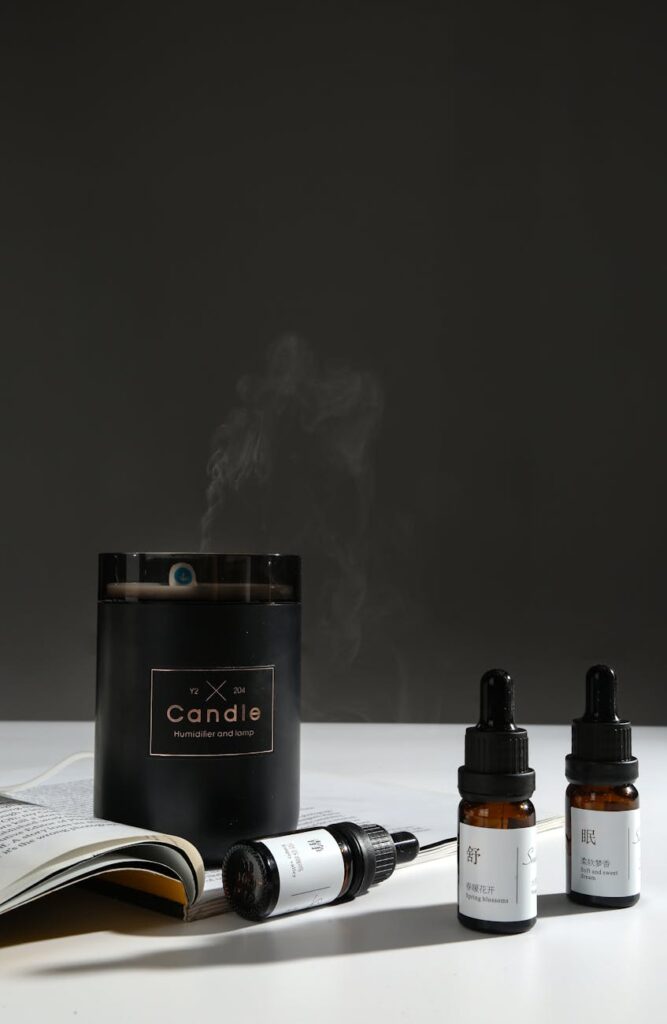
- Diffusion: Using a diffuser to disperse essential oils into the air can create a calming environment. This method is particularly effective in group meditation settings or during personal practice at home.
- Topical Application: Diluted essential oils can be applied to pulse points (like wrists and behind the ears) to enhance the sensory experience during meditation.
- Bathing: Adding essential oils to bathwater can create a serene atmosphere, allowing for a meditative experience even before formal meditation begins.
- Inhalation: Simply inhaling essential oils directly from the bottle or a cotton ball can provide immediate benefits, making it a convenient option for on-the-go meditation.
- Calming Blend: Lavender, chamomile, and bergamot
- Focus Blend: Rosemary, peppermint, and lemon
- Grounding Blend: Sandalwood, patchouli, and frankincense
Aromatherapy Applications
1. Blending Techniques
Creating a meditation enhancement blend often involves combining several essential oils. Here are some popular combinations:
2. Using a Diffuser
Diffusers are commonly used in aromatherapy to disperse essential oils into the air. To create a calming atmosphere for meditation, add a few drops of your chosen essential oil blend to the diffuser and allow it to fill the space with fragrance.
3. Personal Inhalers
Personal inhalers are small devices that allow individuals to carry their favorite essential oil blends with them. Simply add a few drops of the blend onto a cotton wick inside the inhaler and inhale when needed.
Safety Considerations
While aromatherapy is generally considered safe for most individuals, certain precautions should be taken:
1. Allergies and Sensitivities
Before using a new essential oil, it’s advisable to conduct a patch test to check for allergic reactions. Apply a small amount of diluted oil to the forearm and monitor for any adverse reactions over 24 hours.
2. Dilution
Essential oils are highly concentrated and should typically be diluted before topical application. A common dilution ratio is 2-3 drops of essential oil per teaspoon of carrier oil (such as coconut oil or jojoba oil).
3. Pregnancy and Medical Conditions
Pregnant individuals or those with specific medical conditions should consult with a qualified professional before using essential oils. Some oils may not be suitable during pregnancy or could interact with medications.
4. Children and Pets
Certain essential oils can be harmful to children and pets. It’s essential to research which oils are safe to use around them and to keep all essential oils out of reach.
Storage and Shelf Life
Essential oils should be stored in a cool, dark place, away from direct sunlight, to maintain their efficacy. Amber or cobalt glass bottles are preferred for storage, as they help protect the oils from light. Most essential oils have a shelf life ranging from 1 to 5 years, depending on the type. Regularly check for changes in smell or consistency, as these can indicate that the oil has gone bad.
Frequently Asked Questions
1. Can I use aromatherapy during meditation if I have allergies?
Yes, but it’s essential to choose hypoallergenic essential oils and to perform a patch test prior to use. Consult with a healthcare provider if you have severe allergies.
2. How do I know which essential oils are right for my meditation practice?
Choosing essential oils often depends on your personal preferences and desired outcomes. Consider experimenting with different oils to discover which ones resonate with you.
3. Are there any essential oils I should avoid while meditating?
Some oils, particularly those with stimulating properties, such as citrus oils or eucalyptus, might not be suitable for calming meditation practices. Choose oils that promote relaxation and focus.
4. Can I mix different essential oils?
Yes, blending different essential oils can enhance your meditation experience. Experiment with different combinations to find what works best for you.
5. How often should I use aromatherapy for meditation?
The frequency of use depends on individual preference. Some individuals incorporate aromatherapy into every meditation session, while others may use it occasionally.
Conclusion
Aromatherapy blends designed for meditation enhancement can provide numerous benefits, including relaxation, improved focus, and emotional balance. By understanding the properties of various essential oils and following safety precautions, individuals can safely incorporate these blends into their meditation practices. As with any wellness practice, personal experimentation and mindfulness can lead to a more enriching and fulfilling meditation experience.