
Is Aromatherapy for Mindfulness in Daily Life Blends Safe? Uses, Benefits and Precautions
Introduction
Aromatherapy is an ancient practice that utilizes the natural aromatic properties of essential oils extracted from plants. These oils have been used for centuries in various cultures for their therapeutic and sensory benefits. In recent years, there has been a growing interest in the use of aromatherapy for mindfulness practices in daily life. This article will explore what aromatherapy for mindfulness entails, its key benefits, common uses, safety considerations, and storage practices, providing a comprehensive overview for those interested in incorporating these blends into their routines.
What Is Aromatherapy for Mindfulness in Daily Life Blends?
Aromatherapy for mindfulness involves using essential oils to enhance relaxation, focus, and emotional well-being. These blends are specifically designed to promote a state of mindfulness—a mental state where one remains present and fully engaged in the moment. The holistic nature of aromatherapy aligns well with mindfulness practices, as both aim to foster a greater sense of awareness and connection with oneself and the environment.
Essential oils used in these blends can be derived from various parts of plants, including flowers, leaves, bark, and roots. Popular essential oils for mindfulness include lavender, bergamot, chamomile, and sandalwood, among others. These oils can be blended in various ways to create synergistic effects that enhance the overall experience.
Key Benefits and Properties
The benefits of using aromatherapy for mindfulness are varied and can include:
1. Stress Reduction: Many essential oils possess calming properties that can alleviate stress and anxiety, contributing to a more centered state of mind.
2. Enhanced Concentration: Certain oils, such as rosemary and peppermint, are known to promote mental clarity and focus, making them ideal for meditation or mindful activities.
3. Emotional Balance: Essential oils can have a profound impact on mood and emotions. Oils like ylang-ylang and frankincense can help stabilize emotions and foster a sense of peace.
4. Improved Sleep Quality: Lavender and chamomile are renowned for their sedative properties, making them effective for promoting relaxation and improving sleep quality.
5. Increased Mindfulness: The act of engaging with scents can heighten awareness and encourage individuals to be present in the moment, facilitating a deeper mindfulness practice.
Common Uses
Aromatherapy blends for mindfulness can be integrated into various aspects of daily life, including:
1. Meditation: Diffusing calming essential oils during meditation can create a serene atmosphere, enhancing focus and tranquility.
2. Yoga: Incorporating essential oils into a yoga practice can deepen relaxation and connection to breath, making the experience more fulfilling.
3. Daily Routines: Using essential oils in household cleaning products, personal care items, or even in your workspace can promote a calming environment throughout the day.
4. Massage: Blending essential oils with carrier oils for massage can provide both physical and emotional benefits, enhancing relaxation and mindfulness.
5. Bathing Rituals: Adding essential oils to bathwater can create a soothing experience, encouraging mindfulness and relaxation.
Aromatherapy Applications
There are several methods for applying essential oils in mindfulness practices:
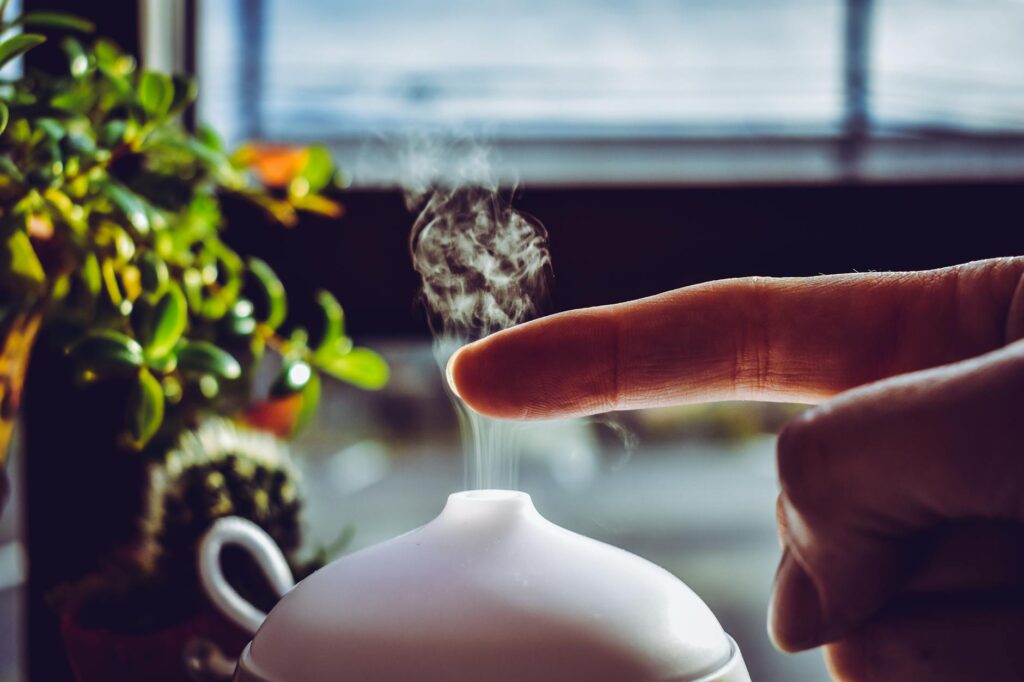
1. Diffusion: Using a diffuser can disperse essential oils into the air, creating a fragrant environment that promotes relaxation or focus.
2. Topical Application: Essential oils can be diluted with carrier oils and applied to the skin. Popular areas include pulse points or the back of the neck.
3. Inhalation: Direct inhalation from the bottle or by placing a few drops on a tissue can provide immediate benefits, especially in stressful situations.
4. Bathing: Adding essential oils to a warm bath can enhance relaxation and create a sensory experience that encourages mindfulness.
5. Sprays: Creating a room spray with essential oils and water can refresh and purify the air while promoting a sense of calm.
Safety Considerations
While aromatherapy can offer numerous benefits, it is essential to approach it with care. Here are some safety considerations to keep in mind:
1. Dilution: Essential oils are highly concentrated and should always be diluted with a carrier oil when applied to the skin to prevent irritation.
2. Patch Testing: Before using a new essential oil topically, conduct a patch test to check for any allergic reactions or sensitivities.
3. Quality of Oils: Use high-quality, pure essential oils from reputable sources. Synthetic fragrances or poorly distilled oils may not provide the desired benefits and could be harmful.
4. Pregnancy and Nursing: Some essential oils are not recommended for use during pregnancy or breastfeeding. It is essential to research or consult with a knowledgeable professional before use.
5. Medical Conditions: Individuals with specific medical conditions or those on medication should consult a healthcare provider before using essential oils, as some oils may interact with medications.
6. Children and Pets: Some essential oils can be harmful to children and pets. It is vital to research the safety of oils before use in a home with children or animals.
Storage and Shelf Life
Proper storage of essential oils is crucial to maintain their potency and effectiveness. Here are some guidelines:
1. Cool, Dark Place: Store essential oils in a cool, dark place away from direct sunlight. Heat and light can degrade the quality of the oils.
2. Tightly Sealed Containers: Ensure that bottles are tightly sealed to prevent oxidation and contamination.
3. Avoid Plastic: Use dark glass bottles (amber or cobalt) for storage, as essential oils can degrade plastic over time.
4. Shelf Life: Most essential oils have a shelf life of 1 to 3 years, but this can vary. Citrus oils tend to have a shorter shelf life, while oils like sandalwood and patchouli may improve with age.
Frequently Asked Questions
1. Can aromatherapy replace traditional medicine?
Aromatherapy is complementary and should not replace traditional medical treatments. Always consult with a healthcare professional for medical concerns.
2. How do I choose the right essential oils for mindfulness?
Start with oils known for their calming properties, such as lavender, chamomile, or bergamot. Experiment with different blends to discover what resonates with you.
3. Can everyone use essential oils?
Most individuals can use essential oils safely; however, pregnant women, children, and pets may require special considerations. Always research specific oils for safety.
4. How often should I use aromatherapy for mindfulness?
Frequency depends on personal preference and individual needs. Some may benefit from daily use, while others may prefer it for specific activities like meditation or yoga.
5. What if I don’t like a particular scent?
Aromatherapy is highly personal. If a particular scent is unappealing, try different oils or blends to find ones that you enjoy and that promote mindfulness for you.
Conclusion
Aromatherapy for mindfulness in daily life blends offers a holistic approach to enhancing emotional well-being and promoting relaxation. By understanding the properties and benefits of various essential oils, individuals can create personalized blends that fit their lifestyles. However, it is essential to approach aromatherapy with safety in mind and to consider individual circumstances when using essential oils. As you explore the world of aromatherapy, may it enrich your mindfulness practices and enhance your daily life.