
Is Aromatherapy for Mood Lifting Blends Safe? Uses, Benefits and Precautions
Introduction
Aromatherapy, a holistic healing practice that utilizes the natural aromas of essential oils, has gained significant popularity across the globe. Among its various applications, mood lifting blends are particularly sought after for their ability to enhance emotional well-being and alleviate feelings of stress and anxiety. However, as with any therapeutic practice, safety is paramount. This article delves into what aromatherapy for mood lifting blends entails, its benefits, common uses, applications, safety considerations, and more.
What Is Aromatherapy for Mood Lifting Blends?
Aromatherapy employs essential oils derived from plants to influence psychological and physical well-being. Mood lifting blends specifically refer to combinations of essential oils that aim to enhance mood, promote relaxation, and reduce stress. These blends can include oils such as lavender, bergamot, citrus oils, and others known for their uplifting properties.
The science behind aromatherapy suggests that the olfactory system is intricately linked to the limbic system, which governs emotions. When essential oils are inhaled, they may stimulate the brain to release neurotransmitters that can improve mood and create a sense of calm.
Key Benefits and Properties
The benefits of mood lifting blends in aromatherapy can be varied and numerous, including:
Emotional Balance
Many essential oils have properties that can help stabilize emotions. For instance, oils like bergamot and frankincense are often associated with reducing feelings of anxiety and promoting emotional clarity.
Stress Relief
Certain oils, such as lavender and chamomile, possess calming properties that may help alleviate stress and foster a sense of relaxation. This can be particularly beneficial in today’s fast-paced world.
Increased Energy and Vitality
Citrus oils like lemon and orange are known for their invigorating properties. These oils can uplift mood and boost energy levels, making them ideal for use during periods of fatigue or lethargy.
Enhanced Mental Clarity
Some essential oils, such as rosemary and peppermint, are believed to stimulate cognitive function. They can help clear mental fog and improve focus, which may be beneficial in both work and personal settings.
Common Uses
Mood lifting blends can be utilized in a variety of ways, making them versatile tools for emotional well-being. Some common applications include:
Diffusion
Using an essential oil diffuser is one of the most popular methods for enjoying the benefits of mood lifting blends. By dispersing the aroma of the oils into the air, individuals can create a calming or invigorating atmosphere in their home or workspace.
Topical Application
When diluted appropriately with a carrier oil, essential oils can be applied directly to the skin. This method allows for localized effects and can be especially useful for targeted relief.
Bathing
Adding mood lifting blends to bathwater can create a soothing environment, promoting relaxation while providing an immersive aromatic experience.
Inhalation
Simply inhaling the scent of essential oils directly from the bottle or through a personal inhaler can provide immediate benefits, making it a convenient option for on-the-go relief.
Aromatherapy Applications
There are numerous ways to incorporate mood lifting blends into daily life:
Personal Care Products
Many commercial products, such as lotions, candles, and bath salts, contain essential oils designed to enhance mood. Home crafters can also create their own blends for personal use.
Meditation and Yoga
Incorporating mood lifting blends into meditation or yoga sessions can enhance the overall experience, promoting deeper relaxation and focus.
Workspaces
Adding a diffuser or using an essential oil roller in the workplace can create a more pleasant atmosphere, potentially increasing productivity and reducing stress among employees.
Travel
Essential oils can serve as a convenient travel companion, helping to manage stress during long journeys or unfamiliar environments.
Safety Considerations
While aromatherapy is generally considered safe, there are important precautions to keep in mind:
Dilution
Essential oils are highly concentrated substances and should be diluted with a carrier oil when applied topically. A standard dilution ratio is 2-3 drops of essential oil per teaspoon of carrier oil.
Patch Testing
Before applying any essential oil blend to the skin, it is advisable to perform a patch test. This involves applying a small amount of diluted oil to a discreet area of skin to check for any adverse reactions.
Pregnancy and Nursing
Certain essential oils may not be suitable for pregnant or nursing women. It is essential to consult with a qualified professional before using any oils during these periods.
Allergies and Sensitivities
Individuals with allergies or sensitivities should approach aromatherapy with caution. Always check the ingredients in a blend and consider consulting a healthcare provider for guidance.
Children and Pets
Not all essential oils are safe for children or pets. Specific oils may be toxic to animals, and children may require more diluted formulations. It is crucial to research and select oils that are safe for use in these contexts.
Storage and Shelf Life
Proper storage is vital to maintaining the integrity of essential oils. Here are some tips:
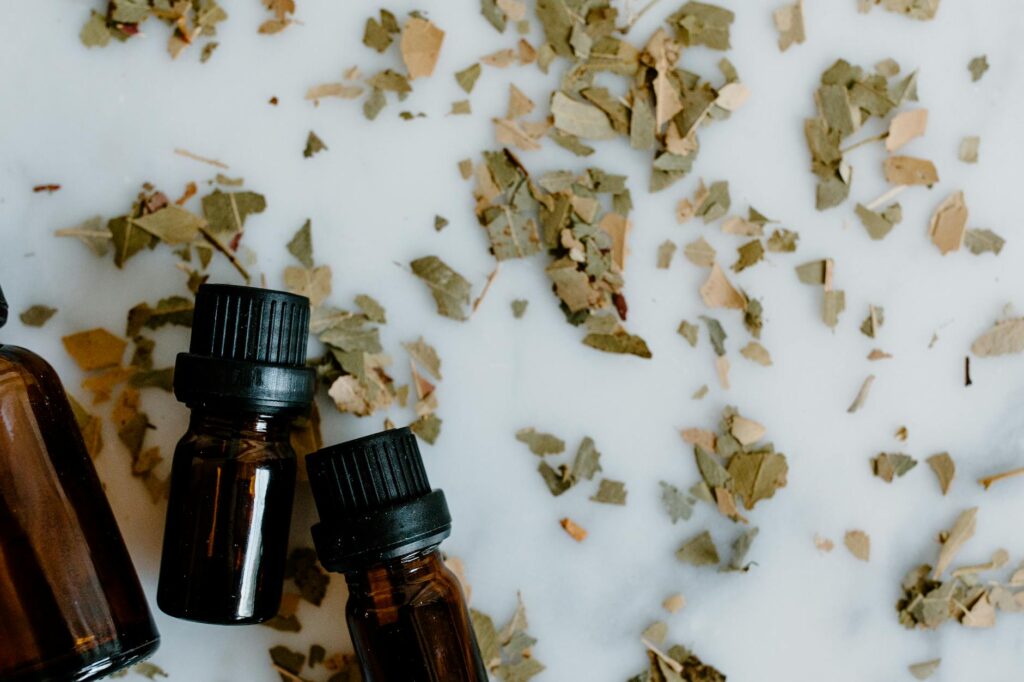
Keep in Dark Glass Bottles
Essential oils should be stored in dark glass containers to protect them from light, which can degrade the oils over time.
Cool and Dry Environment
Store essential oils in a cool, dry place away from direct sunlight and heat sources to prolong their shelf life.
Check Expiration Dates
Essential oils do have a shelf life, typically ranging from 1 to 5 years, depending on the type and storage conditions. It’s advisable to check for any changes in scent or consistency before use.
Frequently Asked Questions
Are mood lifting blends effective for everyone?
While many individuals report positive effects from using mood lifting blends, responses can vary. Factors such as individual preferences for scents and personal psychological predispositions can influence the effectiveness of aromatherapy.
How do I choose the right blend for my needs?
Consider what specific emotional state you hope to achieve. Research blends that target those feelings, and don’t hesitate to experiment with different oils to discover what resonates with you.
Can I mix different essential oils together?
Yes, blending essential oils can create unique aromas and effects. However, it’s important to research the properties of each oil and ensure they complement each other.
How often can I use mood lifting blends?
You can use mood lifting blends as often as desired, but moderation is key. Overexposure to certain oils may lead to sensitization, so it’s advisable to give your body breaks between uses.
Is it safe to use essential oils in a sauna or steam room?
While some people enjoy using essential oils in these settings, it’s important to use them sparingly and ensure proper ventilation. Essential oils can be potent in high heat, and not all oils are suitable for these environments.
Conclusion
Aromatherapy for mood lifting blends presents a natural and holistic approach to enhancing emotional well-being. With an array of benefits ranging from stress relief to increased mental clarity, these blends have found a place in the daily routines of many individuals. However, understanding the appropriate applications and safety considerations is essential for maximizing their effectiveness. By taking the necessary precautions, one can safely explore the uplifting world of aromatherapy and make it a valuable part of their self-care regimen.