
Is Aromatherapy for Pain Management Blends Safe? Uses, Benefits and Precautions
Introduction
Aromatherapy, a holistic healing practice that utilizes essential oils derived from plants, has gained popularity for its potential benefits in various aspects of health, including pain management. While many individuals seek alternative or complementary therapies for pain relief, it is essential to understand the safety, applications, and limitations of aromatherapy. This article delves into the intricacies of aromatherapy for pain management blends, exploring their uses, benefits, precautions, and best practices.
What Is Aromatherapy for Pain Management Blends?
Aromatherapy for pain management blends involves the use of specific essential oils, known for their analgesic (pain-relieving) and anti-inflammatory properties, to alleviate discomfort caused by various conditions. These blends can be formulated with a combination of oils designed to target specific types of pain, such as headaches, muscle aches, or joint discomfort. Common essential oils used in pain management include lavender, peppermint, eucalyptus, and chamomile, each offering unique benefits.
The practice of aromatherapy is based on the idea that inhaling the scent of essential oils can stimulate the olfactory system, which is linked to the limbic system—the part of the brain that processes emotions and memories. This connection may help in reducing the perception of pain and promoting relaxation.
Key Benefits and Properties
1. Analgesic Properties
Many essential oils possess natural analgesic properties, which can help reduce pain sensations. For instance, peppermint oil contains menthol, known for its cooling effect and ability to relieve headaches and muscle tension.
2. Anti-inflammatory Effects
Essential oils like eucalyptus and ginger have anti-inflammatory properties that can help reduce swelling and inflammation associated with pain conditions. These oils can be beneficial for individuals suffering from arthritis or other inflammatory disorders.
3. Stress Relief
Pain often coexists with stress and anxiety, which can exacerbate discomfort. Aromatherapy can promote relaxation and reduce stress levels, potentially leading to a more effective pain management strategy. Lavender oil, for instance, is renowned for its calming effects.
4. Improved Sleep Quality
Chronic pain can disrupt sleep patterns, leading to a vicious cycle of discomfort and fatigue. Certain essential oils may help improve sleep quality, allowing the body to heal and recover effectively.
5. Non-invasive and Natural
Aromatherapy offers a non-invasive alternative to pharmaceutical pain management, appealing to those seeking natural solutions to their discomfort.
Common Uses
Aromatherapy for pain management can be utilized in various contexts, including:
- Headaches and Migraines: Essential oils like peppermint, lavender, and rosemary can provide relief when inhaled or applied topically.
- Muscle and Joint Pain: Blends containing eucalyptus, ginger, or marjoram can be effective for soothing sore muscles and joints.
- Menstrual Cramps: Oils such as clary sage and chamomile may help alleviate menstrual discomfort when used in massage blends.
- Tension and Stress-Related Pain: Oils like bergamot and frankincense can reduce tension-related pain by promoting relaxation.
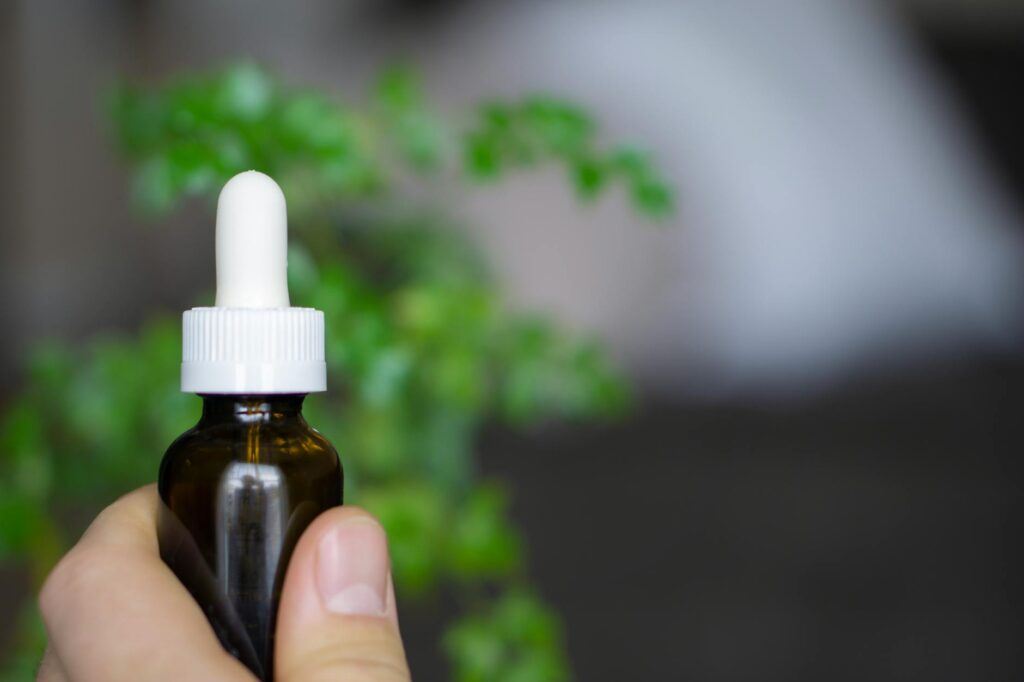
- Keep Away from Light: Essential oils should be stored in dark glass bottles to protect them from light exposure, which can degrade their properties.
- Cool and Dry Environment: Store oils in a cool, dry place away from heat sources to prolong their shelf life.
- Check Expiration Dates: While essential oils can last several years, they can lose potency over time. It’s wise to check for expiration dates or signs of degradation (such as changes in color or scent).
Aromatherapy Applications
1. Inhalation
Inhalation is one of the most common methods of using essential oils. This can be achieved through essential oil diffusers, steam inhalation, or simply by adding a few drops to a handkerchief. Inhalation allows the essential oils to enter the bloodstream quickly and can provide immediate relief.
2. Topical Application
Essential oils can be diluted in a carrier oil (such as coconut or jojoba oil) and applied directly to the skin. This method is particularly effective for localized pain relief. Care should be taken to perform a patch test to check for any adverse skin reactions.
3. Bath
Adding essential oils to a warm bath can provide a soothing experience for the body and mind. The heat from the water helps to enhance the absorption of the oils, promoting relaxation and pain relief.
4. Massage
Incorporating essential oils into massage therapy can amplify the benefits of both practices. The combination of touch and aromatherapy can enhance relaxation and alleviate pain.
Safety Considerations
While aromatherapy is generally considered safe for most individuals, there are important safety considerations to keep in mind:
1. Dilution
Essential oils are highly concentrated and should always be diluted before topical application to prevent skin irritation or adverse reactions. A safe dilution ratio is typically 2-3 drops of essential oil per teaspoon of carrier oil.
2. Allergies and Sensitivities
Individuals should be aware of any allergies or sensitivities they may have to specific essential oils. Conducting a patch test prior to broader application is advisable.
3. Pregnancy and Nursing
Pregnant or nursing women should consult with a healthcare professional before using essential oils, as some may not be safe during these periods.
4. Pre-existing Conditions
Individuals with certain medical conditions (e.g., epilepsy, asthma, or hormonal disorders) should exercise caution and consult a healthcare professional before using aromatherapy, as some oils may exacerbate symptoms.
5. Quality of Oils
Using high-quality, pure essential oils is crucial for safety and effectiveness. Look for oils that are labeled as 100% pure and free from additives or synthetic fragrances.
Storage and Shelf Life
Proper storage of essential oils is essential to maintain their potency and effectiveness. Here are some tips for storage:
Frequently Asked Questions
1. How long does it take for aromatherapy to work for pain relief?
The onset of relief can vary depending on the individual and the method of application. Inhalation may provide immediate effects, while topical applications may take longer, depending on absorption.
2. Can children use aromatherapy for pain management?
While some essential oils can be safe for children, it is crucial to consult with a healthcare professional regarding appropriate oils and dilutions.
3. Are there any side effects associated with aromatherapy?
Potential side effects may include skin irritation, allergic reactions, or respiratory issues, particularly in individuals with sensitivities. It is essential to use oils responsibly and with proper dilution.
4. How do I choose the right essential oils for pain management?
Selecting the right oils depends on the type of pain being addressed. Researching the properties of various essential oils and possibly consulting with an aromatherapy practitioner can provide valuable insights.
5. Is aromatherapy a replacement for traditional medical treatment?
Aromatherapy can be a complementary approach to pain management but should not replace conventional medical treatment. Consulting with a healthcare professional is advisable for comprehensive pain management strategies.
Conclusion
Aromatherapy for pain management blends offers a natural and holistic approach to alleviating discomfort. With a diverse range of essential oils available, individuals can explore various applications to find what works best for their specific needs. However, it is essential to prioritize safety and quality, ensuring that essential oils are used responsibly. As with any therapeutic practice, informed decision-making and consultation with professionals can enhance the effectiveness of aromatherapy as part of a broader pain management strategy.