
Is Aromatherapy for Relaxation and Calm Blends Safe? Uses, Benefits and Precautions
Introduction
Aromatherapy is a holistic healing practice that utilizes the aromatic properties of essential oils extracted from plants. Traditionally, it has been employed to promote physical and emotional well-being. Among the various applications of aromatherapy, relaxation and calm blends are particularly popular for their soothing effects. This article delves into what aromatherapy for relaxation entails, its benefits, common uses, and essential safety considerations.
What Is Aromatherapy for Relaxation and Calm Blends?
Aromatherapy employs essential oils—highly concentrated extracts derived from various parts of plants, including flowers, leaves, stems, and roots. When used for relaxation and calm, specific essential oils are selected for their properties that may promote tranquility and alleviate stress. Common essential oils in this category include lavender, chamomile, bergamot, and frankincense. These oils can be inhaled, absorbed through the skin, or used in combination with other therapies to create a calming environment.
Key Benefits and Properties
The primary aim of relaxation and calm blends in aromatherapy is to promote a sense of peace and reduce anxiety. Here are some key benefits associated with these blends:
1. Stress Reduction: Certain oils, such as lavender and ylang-ylang, are known to have calming effects that can help reduce stress levels.
2. Improved Sleep Quality: Oils like chamomile and valerian root have been associated with better sleep quality, helping individuals who experience insomnia or restless nights.
3. Mood Enhancement: Aromatherapy can positively impact mood by stimulating the limbic system, which is responsible for emotions. Citrus oils, like bergamot, can uplift spirits and promote feelings of happiness.
4. Enhanced Focus and Clarity: Some calming blends can aid in mental clarity, helping individuals feel more focused and present.
5. Physical Relaxation: The inhalation or topical application of certain oils may relieve muscle tension and promote a sense of physical well-being.
Common Uses
Aromatherapy for relaxation and calm can be incorporated into various aspects of daily life. Here are some common uses:
- Diffusion: Essential oils can be diffused into the air using a diffuser, creating a serene atmosphere in homes, offices, or therapy spaces.
- Topical Application: Blending essential oils with carrier oils (such as coconut or jojoba oil) allows for safe application on the skin, often in areas where stress is felt, like the temples or neck.
- Baths: Adding essential oils to a warm bath can create a luxurious and relaxing experience, enhancing the overall calming effect.
- Inhalation: Direct inhalation of essential oils from the bottle or via a tissue can provide immediate calming effects.
- Massage: Incorporating essential oils into massage therapy can enhance relaxation and soothe muscle tension.
- Dark, Cool Places: Essential oils should be stored in dark glass bottles away from direct sunlight and heat sources, which can degrade their quality.
- Tightly Sealed: Ensuring that bottles are tightly sealed after use prevents oxidation and contamination.
- Shelf Life: The shelf life of essential oils varies depending on the type. Generally, citrus oils have a shorter shelf life (1-2 years), while oils like patchouli and sandalwood can last for several years if stored correctly.
Aromatherapy Applications
The application of aromatherapy for relaxation and calm can vary based on individual preferences and needs. Here are some popular methods and techniques:
1. Aromatherapy Diffusers
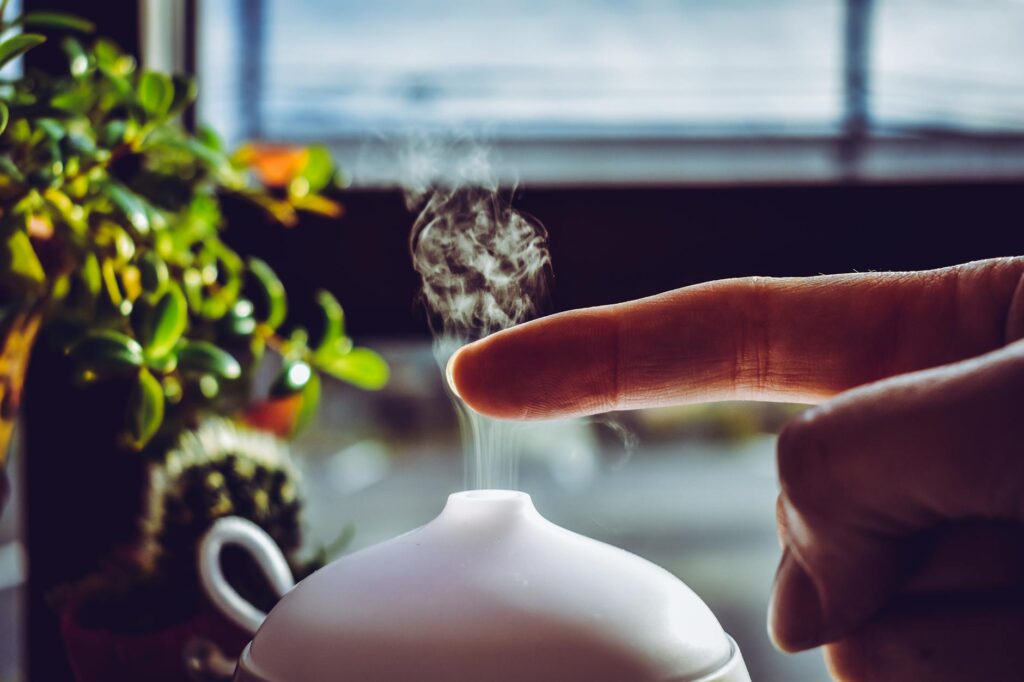
Diffusers disperse essential oils into the air, allowing for easy inhalation. There are several types of diffusers, including ultrasonic, nebulizing, and heat diffusers, each offering different benefits.
2. Massage Therapy
Combining essential oils with a carrier oil for massage can enhance both the physical and emotional benefits of the treatment. This method also allows for the oils to be absorbed through the skin.
3. Inhalation Techniques
Inhalation can be performed using cotton balls, personal inhalers, or simply by placing a few drops of essential oil in the hands, cupping them over the nose, and taking deep breaths.
4. Bathing Rituals
Adding essential oils to bathwater can create a spa-like experience. It is essential to dilute the oils in a carrier or an emulsifier, such as milk or Epsom salts, to ensure even distribution in the water.
5. Sleep Aids
Essential oils can be used in pillow sprays or sleep masks to promote relaxation and prepare the body for sleep.
Safety Considerations
While aromatherapy is generally considered safe, there are important precautions to ensure its effective and safe use:
1. Dilution
Essential oils are highly concentrated and should always be diluted with a carrier oil before topical application to prevent skin irritation.
2. Allergic Reactions
Individuals should perform a patch test before using a new essential oil to check for allergic reactions. This involves applying a diluted drop to a small area of skin and monitoring for any adverse reactions over 24 hours.
3. Pregnancy and Nursing
Certain essential oils may not be safe for use during pregnancy or while nursing. It is advisable to consult with a healthcare professional regarding safe options.
4. Children and Pets
Some essential oils can be harmful to children and pets. Always research and consult guidelines to ensure the safety of specific oils around younger populations and animals.
5. Quality of Essential Oils
Purchasing essential oils from reputable sources is crucial. Low-quality or synthetic oils may not provide the intended benefits and can even be harmful.
Storage and Shelf Life
Proper storage of essential oils is essential to maintain their efficacy and prolong their shelf life. Here are some key points to consider:
Frequently Asked Questions
1. Can aromatherapy help with anxiety?
While many individuals report feeling calmer and more relaxed with the use of essential oils, aromatherapy should not replace professional treatment for anxiety. It may be a complementary practice.
2. What are the best essential oils for relaxation?
Common essential oils known for their relaxing properties include lavender, chamomile, bergamot, frankincense, and ylang-ylang.
3. How do I choose the right essential oil?
Choosing the right essential oil often depends on personal preference and the specific calming effects one desires. Experimenting with different scents can help individuals find what resonates best.
4. Is it safe to use essential oils in a diffuser while sleeping?
Using a diffuser while sleeping can be safe and beneficial, provided the essential oils are properly diluted and that the individual does not have any allergies to the oils being used.
5. Can I mix different essential oils?
Yes, blending different essential oils can create unique and personalized calming blends. However, it is important to research compatibility and dilution ratios.
Conclusion
Aromatherapy for relaxation and calm blends offers a plethora of benefits, making it a popular choice for those seeking to enhance their emotional and physical well-being. Understanding the uses, benefits, and necessary precautions can empower individuals to explore this holistic practice safely. As with any wellness approach, it is essential to remain informed and considerate of individual health needs and circumstances.