
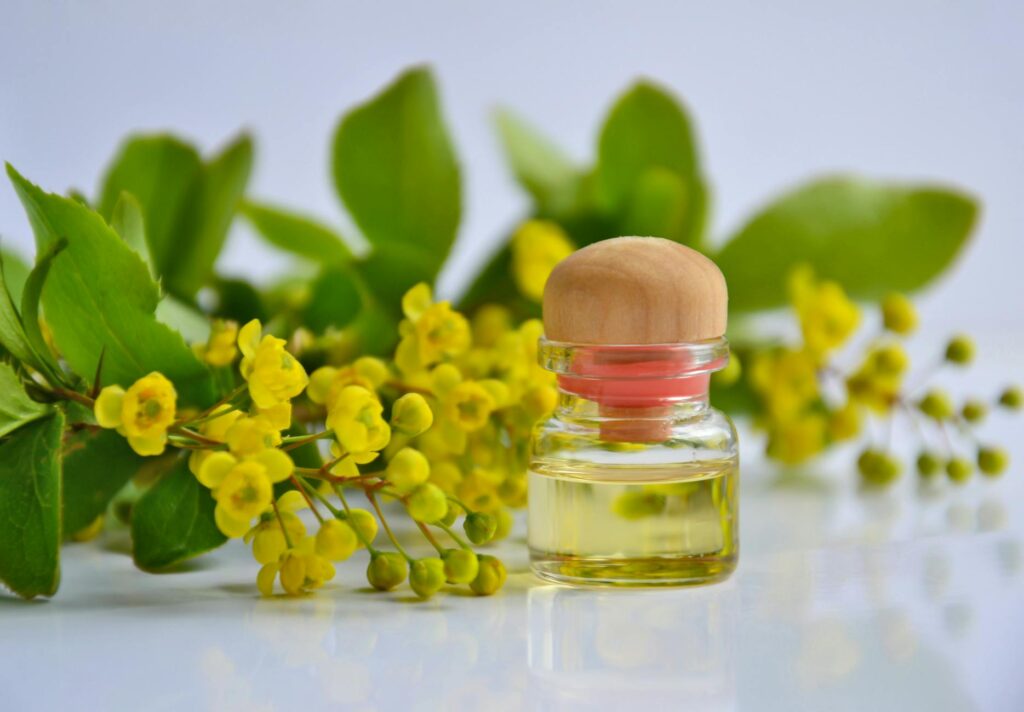
Is Aromatherapy for Seasonal Mood Enhancement Blends Safe? Uses, Benefits, and Precautions
Introduction
Aromatherapy, the practice of using essential oils extracted from plants for therapeutic purposes, has gained popularity in recent years, particularly for enhancing mood during seasonal changes. Seasonal Affective Disorder (SAD) and general mood fluctuations can often be alleviated through the various applications of aromatherapy. This article explores the safety, uses, benefits, and precautions associated with aromatherapy for seasonal mood enhancement blends.
What Is Aromatherapy for Seasonal Mood Enhancement Blends?
Aromatherapy utilizes the aromatic properties of essential oils to promote emotional and physical well-being. Seasonal mood enhancement blends specifically target the emotional challenges associated with varying seasons, particularly during winter months when sunlight is scarce. These blends typically consist of a combination of essential oils known for their uplifting, calming, or grounding effects. Common essential oils used in these blends may include:
- Citrus Oils: Such as sweet orange and lemon, which are often associated with positivity and vitality.
- Herbaceous Oils: Like basil and rosemary, known for their invigorating properties.
- Floral Oils: Including lavender and geranium, which can promote relaxation and emotional balance.
- Woody Oils: Such as cedarwood and sandalwood, often used for their grounding effects.
- Diffusion: Using an essential oil diffuser to disperse aroma throughout a room can create an uplifting environment.
- Topical Application: Diluting essential oils in carrier oils and applying them to the skin can provide localized effects, particularly for stress relief or relaxation.
- Inhalation: Direct inhalation from the bottle or using cotton balls infused with oils can offer immediate benefits.
- Bathing: Adding essential oils to bathwater can create a soothing experience, promoting relaxation and rejuvenation.
- Massage: Incorporating mood-enhancing blends into massage therapy can enhance physical relaxation while promoting emotional well-being.
- Sweet Orange: 5 drops
- Lavender: 3 drops
- Bergamot: 2 drops
- Spring: Focus on uplifting citrus oils to invigorate the senses.
- Summer: Floral and herbal scents can promote relaxation while maintaining energy.
- Autumn: Earthy and woody oils may provide grounding during transitional changes.
- Winter: Warm, comforting oils such as cinnamon or clove can create a cozy atmosphere.
Key Benefits and Properties
The primary benefits of aromatherapy for mood enhancement during seasonal changes include:
1. Emotional Balance: Certain essential oils can help stabilize mood swings and promote a sense of calm.
2. Stress Reduction: Aromatherapy can serve as a tool for reducing stress and anxiety, which often peaks during seasonal transitions.
3. Increased Energy: Uplifting oils may enhance energy levels, counteracting feelings of lethargy that can accompany darker months.
4. Improved Sleep Quality: Some essential oils are known for their sedative properties, which can assist with sleep disturbances often linked to mood fluctuations.
5. Enhanced Cognitive Function: Certain oils are believed to improve concentration and mental clarity, essential during times of emotional unrest.
Common Uses
Aromatherapy blends for mood enhancement can be employed in various ways:
Aromatherapy Applications
Blending Essential Oils
Creating a personalized blend for mood enhancement involves selecting oils that resonate with an individual’s emotional needs. A common formulation might include:
Combine these oils in a small glass bottle with a carrier oil, such as jojoba or almond oil, for topical use. For diffusion, simply add the essential oils to a diffuser with water according to the manufacturer’s instructions.
Seasonal Considerations
Different seasons may call for different blends. For example:
Safety Considerations
While aromatherapy is generally considered safe, certain precautions should be observed:
1. Dilution: Essential oils should be diluted in a carrier oil before topical application to prevent skin irritation.
2. Sensitivity Testing: Always perform a patch test before using a new oil to check for allergic reactions. Apply a small amount of diluted oil to a discreet area and wait 24 hours.
3. Pregnancy and Nursing: Some essential oils are contraindicated during pregnancy or while nursing. Consult a knowledgeable expert or source for guidance.
4. Children and Pets: Special care should be taken when using essential oils around children and pets. Some oils may be toxic or irritating.
5. Health Conditions: Individuals with certain health conditions should consult a healthcare provider before using essential oils. This includes conditions like asthma, epilepsy, or skin sensitivities.
6. Quality of Oils: Always opt for high-quality, pure essential oils from reputable sources to ensure safety and efficacy.
Storage and Shelf Life
Proper storage is essential to maintain the integrity of essential oils. Follow these guidelines:
1. Dark Glass Containers: Store oils in dark glass bottles to protect them from light, which can degrade their quality.
2. Cool, Dry Place: Keep oils in a cool, dry place away from heat sources and humidity.
3. Shelf Life: Essential oils vary in shelf life, typically ranging from 1 to 5 years. Citrus oils may have a shorter shelf life due to their volatile nature.
4. Expiration Signs: Discard oils that have changed in color, consistency, or aroma.
Frequently Asked Questions
Can aromatherapy really help with seasonal mood changes?
While many individuals report positive effects from aromatherapy, responses can vary. It’s important to combine aromatherapy with other self-care practices for the best results.
Are there any essential oils that should be avoided?
Certain oils may not be suitable for everyone. Oils such as eucalyptus, rosemary, and peppermint should be used cautiously, especially around children and pets.
How long does it take to feel the effects of aromatherapy?
The onset of effects can vary widely based on individual sensitivity, method of application, and the specific oils used. Some users may feel immediate relief, while others may require longer exposure.
Can I use essential oils in my home without a diffuser?
Yes, essential oils can be used in various ways, including inhalation from the bottle, adding to bathwater, or incorporating into massage oils.
Is it safe to mix different essential oils?
Yes, many essential oils can be blended together to create personalized blends. However, it’s advisable to research or consult with knowledgeable sources on compatible oils.
Conclusion
Aromatherapy for seasonal mood enhancement blends offers a natural approach to managing emotional fluctuations associated with changing seasons. While generally safe when used properly, it is essential to consider individual sensitivities and consult experts when necessary. By understanding the benefits, applications, and precautions associated with aromatherapy, individuals can explore this therapeutic practice as a means of enhancing their emotional well-being throughout the year.