
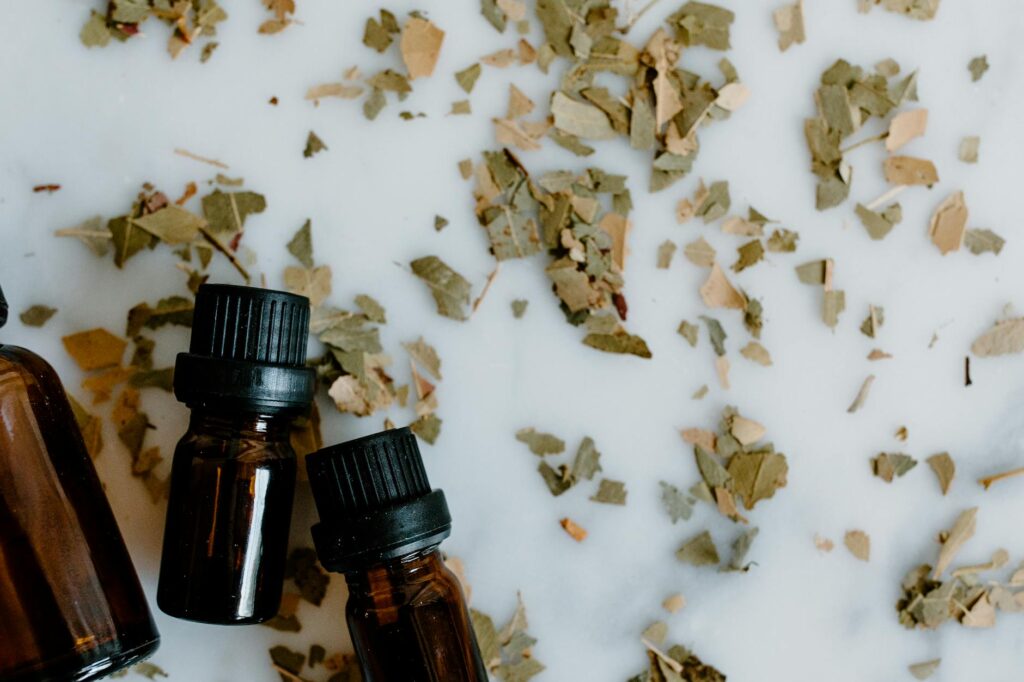
Is Aromatherapy for Seasonal Mood Regulation Blends Safe? Uses, Benefits and Precautions
Introduction
As the seasons change, many individuals experience shifts in their mood and emotional well-being. Seasonal Affective Disorder (SAD) and other mood fluctuations can be exacerbated by changes in light, temperature, and lifestyle. Aromatherapy, utilizing essential oils derived from plants, offers a holistic approach to support emotional balance during these transitional times. This article explores the concept of aromatherapy for seasonal mood regulation, detailing its benefits, uses, and safety considerations.
What Is Aromatherapy for Seasonal Mood Regulation Blends?
Aromatherapy is a therapeutic practice that employs essential oils to promote physical, emotional, and psychological well-being. Seasonal mood regulation blends are specific combinations of essential oils formulated to help alleviate mood disturbances associated with seasonal changes. These blends can target feelings of melancholy, lethargy, or anxiety, commonly experienced during transitional seasons, particularly in fall and winter.
Essential oils contain natural compounds that can influence the brain’s emotional centers, often evoking feelings of relaxation, upliftment, or grounding. Seasonal mood regulation blends typically include oils known for their mood-enhancing properties, such as citrus oils, florals, and herbal scents.
Key Benefits and Properties
Aromatherapy offers several potential benefits, particularly for emotional health:
1. Mood Enhancement: Certain essential oils, like sweet orange and bergamot, are known for their uplifting properties. Their invigorating scents can help combat feelings of sadness and lethargy.
2. Stress Reduction: Oils such as lavender and chamomile are renowned for their calming effects, helping to reduce anxiety and promote relaxation.
3. Improved Sleep Quality: Seasonal mood fluctuations can lead to sleep disturbances. Essential oils like cedarwood and vetiver can promote restful sleep, aiding in overall emotional stability.
4. Enhanced Focus and Clarity: Oils like rosemary and peppermint can help improve mental clarity and focus, countering the sluggishness sometimes felt during less active seasons.
5. Holistic Well-Being: Aromatherapy can be a part of a broader self-care routine, contributing to overall wellness and emotional resilience.
Common Uses
The uses of aromatherapy for seasonal mood regulation can vary widely based on individual preferences and needs. Here are some common applications:
1. Diffusion: Adding essential oils to a diffuser allows for an even distribution of scent throughout a room, creating a pleasant and uplifting atmosphere.
2. Inhalation: Direct inhalation from the bottle or placing a few drops on a cotton ball can provide immediate mood-enhancing effects.
3. Topical Application: Blending essential oils with a carrier oil (such as jojoba or sweet almond oil) allows for safe topical application on pulse points or areas of tension.
4. Bathing: Adding essential oils to a warm bath can create a soothing and aromatic experience, promoting relaxation and mood uplift.
5. Massage: Incorporating essential oils into massage oils can enhance the benefits of touch therapy, further supporting emotional well-being.
Aromatherapy Applications
When creating seasonal mood regulation blends, several essential oils can be combined for maximum effect. Here are some popular choices:
- Citrus Oils: Lemon, orange, and grapefruit are known for their uplifting and energizing properties. They can help combat feelings of sadness and promote a sense of joy.
- Florals: Lavender, geranium, and ylang-ylang are calming and can help reduce anxiety. They are effective for creating a balanced emotional state.
- Herbals: Essential oils like rosemary and basil can improve mental clarity and focus, making them suitable for combating winter lethargy.
- Woodsy Scents: Cedarwood and sandalwood provide grounding effects, helping to instill a sense of stability during seasonal transitions.
- 3 drops of sweet orange essential oil
- 2 drops of lavender essential oil
- 2 drops of rosemary essential oil
- 1 tablespoon of carrier oil (for topical use)
Sample Blend Recipe
Here’s a simple blend that can be used for seasonal mood regulation:
Mix the essential oils with the carrier oil and apply to pulse points or use in a diffuser.
Safety Considerations
While aromatherapy can be beneficial, safety should always be a priority. Here are essential precautions to consider:
1. Dilution: Always dilute essential oils with a carrier oil before applying them to the skin to prevent irritation.
2. Patch Test: Conduct a patch test on a small area of skin to check for allergic reactions before widespread use.
3. Pregnancy and Nursing: Pregnant or nursing individuals should consult with a healthcare provider before using essential oils, as some may not be safe during these times.
4. Children and Pets: Certain essential oils can be harmful to children and pets. It’s essential to research which oils are safe for use around them.
5. Medical Conditions: Individuals with specific health conditions or those taking medications should consult healthcare professionals about potential interactions with essential oils.
6. Quality of Essential Oils: Use high-quality, pure essential oils from reputable sources to ensure safety and efficacy.
Storage and Shelf Life
Proper storage is crucial for maintaining the integrity of essential oils. Here are some guidelines:
1. Dark Glass Containers: Store essential oils in dark glass bottles to protect them from light, which can degrade their quality.
2. Cool, Dry Place: Keep oils in a cool, dry environment to prevent oxidation and prolong shelf life.
3. Labeling: Clearly label bottles with the oil name and date of purchase to monitor shelf life.
4. Shelf Life: Essential oils typically have a shelf life of 1-3 years, depending on the oil type. Citrus oils generally have a shorter shelf life compared to woodsy or resinous oils.
Frequently Asked Questions
1. Can aromatherapy completely replace traditional therapy for mood regulation?
Aromatherapy can complement traditional therapies but should not be viewed as a replacement. It is essential to consult a healthcare provider for comprehensive mental health support.
2. How often can I use essential oils for mood regulation?
Usage may vary based on personal preference. Generally, diffusing essential oils several times a day or applying diluted oils once or twice daily is safe for most individuals.
3. Are there any essential oils that should be avoided?
Yes, certain oils may be contraindicated for specific populations. For example, oils like sage and rosemary should be avoided during pregnancy.
4. Can I combine different essential oils?
Yes, many essential oils can be blended together to create custom blends tailored to individual preferences and needs. However, ensure to research compatibility and benefits before mixing.
5. What if I have a sensitivity to smells?
Individuals with sensitivities to strong scents should use essential oils with caution. Start with lower concentrations and ensure proper ventilation when diffusing oils.
Conclusion
Aromatherapy for seasonal mood regulation can be a valuable tool in promoting emotional well-being during times of transition. Understanding the benefits, uses, and safety considerations is crucial for effective and safe application. As with any holistic practice, integrating aromatherapy into a comprehensive self-care routine can enhance overall quality of life, particularly during challenging seasonal changes. Always prioritize safety and seek guidance when necessary, allowing for a fulfilling and balanced aromatic experience.