
Is Aromatherapy for Sleep Induction Enhancement Blends Safe? Uses, Benefits and Precautions
Introduction
In today’s fast-paced world, achieving restful sleep can often feel elusive. Many individuals turn to alternative therapies, such as aromatherapy, to promote relaxation and enhance sleep quality. Aromatherapy utilizes the therapeutic properties of essential oils derived from plants to promote physical and emotional well-being. Among its many applications, sleep induction enhancement blends are particularly popular. This article explores what these blends are, their benefits and properties, common uses, safety considerations, and more.
What Is Aromatherapy for Sleep Induction Enhancement Blends?
Aromatherapy involves the inhalation or topical application of essential oils, which are concentrated plant extracts known for their aromatic and therapeutic properties. Sleep induction enhancement blends are specifically formulated combinations of essential oils that aim to facilitate relaxation and promote sleep.
These blends often include oils known for their sedative properties, such as lavender, chamomile, and bergamot. The process typically involves diffusing these oils into the air, applying them topically when diluted with a carrier oil, or incorporating them into bath products.
Key Benefits and Properties
The primary benefits of sleep induction enhancement blends revolve around their ability to promote relaxation and reduce stress. Here are some key properties attributed to commonly used essential oils in these blends:
1. Lavender (Lavandula angustifolia)
- Properties: Known for its calming effects, lavender oil has been shown to reduce anxiety and improve sleep quality.
- Uses: Often used in diffusers, pillow sprays, and bath products.
- Properties: This oil is renowned for its soothing and anti-inflammatory qualities, which can help calm the mind and body.
- Uses: Frequently included in tea blends and topical applications.
- Properties: Known for its uplifting yet calming effects, bergamot can help alleviate feelings of stress and anxiety, promoting a sense of well-being.
- Uses: Often used in personal care products and diffusers.
- Properties: Cedarwood oil has grounding and sedative effects that can help ease the mind and prepare the body for sleep.
- Uses: Commonly used in blends for relaxation and meditation.
- Properties: This floral oil is known for its ability to reduce stress levels and promote relaxation.
- Uses: Typically found in massage oils and diffusers.
- Using an essential oil diffuser allows the aromatic particles to disperse throughout a room. This method is popular for creating a calming atmosphere in bedrooms.
- When diluted with a carrier oil (such as coconut or jojoba oil), essential oils can be applied to pulse points, such as wrists or temples, to facilitate relaxation.
- Adding essential oils to a warm bath can create a soothing environment. However, it is important to use an emulsifier to prevent oils from floating on the water’s surface.
- Spraying a blend of essential oils on pillows or linens can help create a calming scent that promotes relaxation.
- Direct inhalation of essential oils from the bottle or using a personal inhaler can be an immediate way to experience their benefits.
- Essential Oil Blends: Pre-made blends available from various brands that combine multiple oils known for their calming effects.
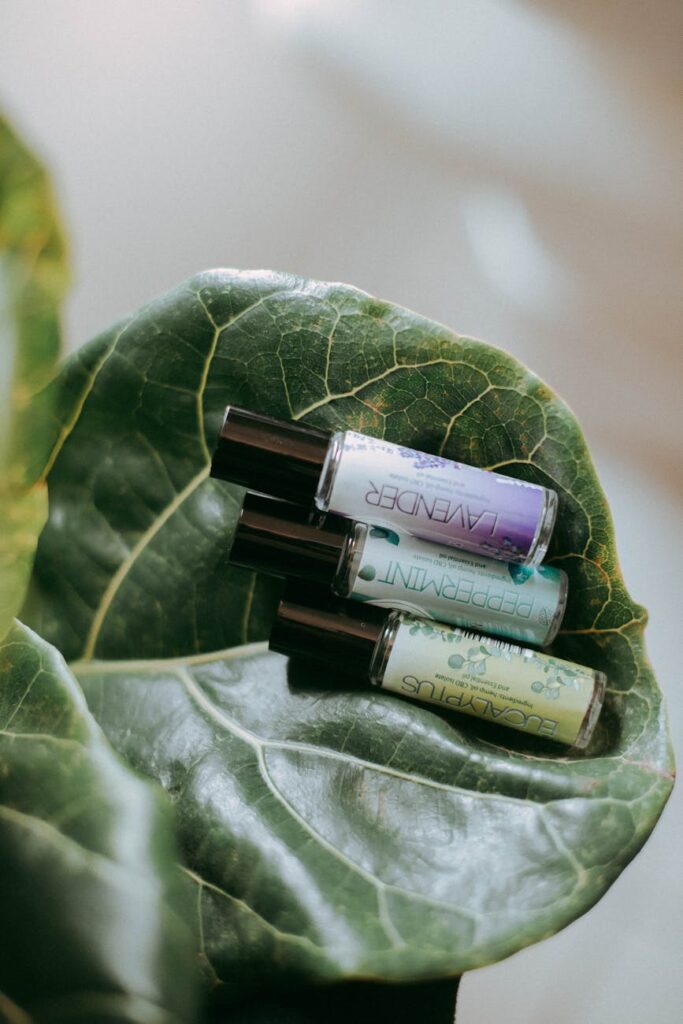
- Roll-On Oils: Convenient for topical application, these are often mixed with carrier oils and can be easily applied before bedtime.
- Candles: Scented candles made with essential oils can create an inviting atmosphere conducive to relaxation.
- Bath Bombs and Salts: These products combine essential oils with other ingredients for a luxurious bathing experience.
- Always dilute essential oils with a carrier oil before applying them to the skin. Undiluted oils can cause skin irritation or allergic reactions.
- Conduct a patch test before applying a new essential oil blend to the skin. Apply a small amount of diluted oil to a discreet area and monitor for any adverse reactions.
- Select high-quality, pure essential oils from reputable sources. Synthetic fragrances or low-quality oils may not provide the desired benefits and can potentially cause harm.
- Individuals who are pregnant, nursing, have a medical condition, or are on medications should consult with a healthcare professional before using essential oils.
- Exercise caution when using essential oils around children and pets. Some oils can be toxic to animals or may not be suitable for young children.
- Cool, Dark Place: Store oils in a cool, dark place away from direct sunlight. UV light can degrade the oils.
- Tightly Sealed Containers: Keep oils in tightly sealed glass bottles to prevent oxidation and evaporation.
- Shelf Life: Most essential oils have a shelf life ranging from one to five years, depending on the type. Citrus oils tend to have a shorter shelf life compared to other oils.
2. Chamomile (Matricaria chamomilla)
3. Bergamot (Citrus bergamia)
4. Cedarwood (Cedrus atlantica)
5. Ylang-Ylang (Cananga odorata)
Common Uses
Aromatherapy for sleep induction can be applied in various settings and methods, including:
1. Diffusion
2. Topical Application
3. Bathing
4. Pillow Sprays
5. Inhalation
Aromatherapy Applications
Several products are formulated specifically for sleep enhancement. These include:
Safety Considerations
While aromatherapy is generally considered safe, it is essential to take certain precautions to minimize potential risks:
1. Dilution
2. Patch Test
3. Quality of Oils
4. Consultation
5. Children and Pets
Storage and Shelf Life
Proper storage of essential oils is crucial for maintaining their potency and effectiveness. Here are some guidelines:
Frequently Asked Questions
1. Can essential oils really help with sleep?
While many people report positive effects from using essential oils for sleep, individual experiences can vary. Scientific research is ongoing, and while some studies support the calming effects of specific oils, results can differ based on personal sensitivity and preferences.
2. How do I choose the right essential oils for sleep?
Selecting oils that you find personally calming and enjoyable is essential. Common choices include lavender, chamomile, and bergamot. It may be helpful to experiment with different blends to find what works best for you.
3. Can I mix different essential oils?
Yes, many individuals create their blends by combining different essential oils. When mixing, consider the properties and aromas of each oil to ensure a harmonious combination.
4. What are the best methods for using essential oils for sleep?
The best method depends on personal preference. Diffusion is popular for creating a calming environment, while topical application can provide direct benefits. Experimenting with various methods may help you discover what works best for you.
5. Are there any side effects associated with using essential oils?
While generally safe, essential oils can cause skin irritation or allergic reactions in some individuals. It is essential to conduct patch tests and use oils as directed.
Conclusion
Aromatherapy for sleep induction enhancement blends offers a natural approach to promoting relaxation and improving sleep quality. With a wide array of essential oils available, individuals can explore various combinations and methods to find what best supports their sleep needs. However, awareness of safety considerations and potential risks is essential for a positive experience. By using aromatherapy mindfully, individuals can create a serene bedtime routine that may contribute to better overall well-being.