
Is Aromatherapy Sprays Safe? Uses, Benefits and Precautions
Introduction
Aromatherapy has gained significant popularity in recent years due to its holistic approach to wellness and the therapeutic potential of essential oils. Among the various methods of using essential oils, aromatherapy sprays have emerged as a convenient and versatile option. This article explores the nature of aromatherapy sprays, their benefits, common uses, safety considerations, and storage tips.
What Is Aromatherapy Sprays?
Aromatherapy sprays are liquid mixtures that typically contain essential oils diluted in a carrier liquid, often water or alcohol. These sprays are designed to be used for various purposes, including enhancing mood, purifying the air, and promoting relaxation. The essential oils in these sprays are extracted from plants and are believed to carry the therapeutic properties of the botanical source.
Aromatherapy sprays can be made at home or purchased from stores, and they often come in various scents tailored for specific uses. While they offer a convenient way to enjoy the benefits of essential oils, it is essential to understand their composition and how to use them safely and effectively.
Key Benefits and Properties
Aromatherapy sprays can provide a range of benefits due to the unique properties of the essential oils used in their formulation. Some key benefits include:
1. Stress Relief
Essential oils such as lavender and chamomile are renowned for their calming properties. By using an aromatherapy spray containing these oils, individuals may find that their stress levels decrease, leading to a more relaxed state of mind.
2. Enhanced Mood
Citrus oils like orange and lemon are often associated with uplifting energy and improved mood. Aromatherapy sprays incorporating these oils can help create an atmosphere of positivity and motivation.
3. Air Purification
Certain essential oils exhibit antibacterial and antiviral properties, making them suitable for air purification. Sprays containing oils like eucalyptus or tea tree can help cleanse the air, potentially reducing airborne pathogens.
4. Improved Sleep
Many individuals utilize aromatherapy sprays as a natural sleep aid. Oils such as lavender and bergamot may help promote a restful night’s sleep when sprayed on pillows or in the bedroom environment.
Common Uses
Aromatherapy sprays can be utilized in various settings and for different purposes. Some common uses include:
1. Home Environment
Many people use aromatherapy sprays to create a pleasant ambiance in their homes. Spraying essential oil blends in living spaces can enhance the overall atmosphere, making it more inviting and enjoyable.
2. Personal Care
Aromatherapy sprays can serve as personal fragrances, offering a natural alternative to synthetic perfumes. They can also be used as body sprays, providing a refreshing scent throughout the day.
3. Work and Study Spaces
Using aromatherapy sprays in work or study environments may help increase focus and productivity. Sprays containing peppermint or rosemary are particularly popular for their stimulating properties.
4. Travel
Aromatherapy sprays are portable, making them ideal for travel. They can help individuals cope with the stresses of traveling, enhance relaxation during flights, or purify hotel rooms.
Aromatherapy Applications
The application of aromatherapy sprays can vary based on individual preferences and intended uses. Here are some common methods of application:
1. Room Spray
Aromatherapy sprays can be used as room fresheners. Simply spray the mixture into the air to create an inviting scent that can help lift the mood and purify the environment.
2. Linen Spray
Spraying linens with an aromatherapy blend can provide a soothing scent that promotes relaxation and enhances sleep quality. It is advisable to test a small area first to ensure there is no staining.
3. Body Mist
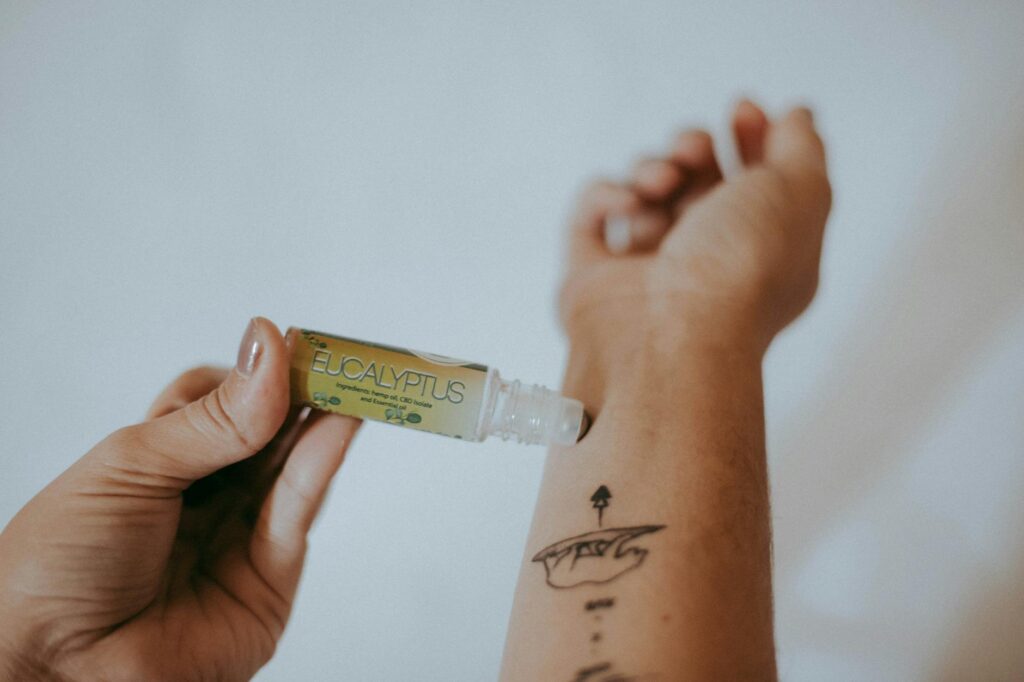
Aromatherapy sprays can be applied directly to the skin as a body mist. However, it is crucial to ensure that the essential oils are properly diluted to avoid skin irritation.
4. Inhalation
Aromatherapy sprays can also be used for direct inhalation. Spraying a small amount into the palms and inhaling deeply can provide immediate benefits, especially for stress relief and mood enhancement.
Safety Considerations
While aromatherapy sprays can offer numerous benefits, safety should always be a priority. Here are some essential safety considerations:
1. Dilution
Essential oils are highly concentrated and should always be diluted before use. Undiluted essential oils can cause skin irritation or allergic reactions. It is recommended to follow dilution guidelines, typically one to two drops of essential oil per teaspoon of carrier liquid.
2. Skin Sensitivity
Perform a patch test before applying any new aromatherapy spray to the skin. Apply a small amount to a discreet area and wait 24 hours to check for any adverse reactions.
3. Allergies and Sensitivities
Individuals with allergies or sensitivities to certain plants should exercise caution. Always read ingredient labels and avoid any known allergens.
4. Pregnancy and Nursing
Pregnant or nursing individuals should consult with a qualified practitioner before using aromatherapy sprays, as some essential oils may not be safe during this time.
5. Children and Pets
Certain essential oils can be harmful to children and pets. Always ensure that the sprays are stored out of reach and avoid using oils that are known to be toxic to animals or young children.
Storage and Shelf Life
Proper storage of aromatherapy sprays is essential for maintaining their efficacy and safety. Here are some guidelines:
1. Dark Glass Bottles
It is advisable to use dark glass bottles for storing aromatherapy sprays. Dark glass protects the essential oils from light exposure, which can degrade their quality.
2. Cool, Dry Place
Store aromatherapy sprays in a cool, dry place away from direct sunlight and heat sources. This will help extend their shelf life.
3. Shelf Life
The shelf life of aromatherapy sprays varies depending on the specific oils used and the method of preparation. Generally, homemade sprays should be used within six months, while commercially prepared sprays may have a longer shelf life. Always check for any changes in scent or appearance.
Frequently Asked Questions
1. Can I make my own aromatherapy sprays?
Yes, making your own aromatherapy sprays is a popular option. You can customize the scent and choose essential oils that suit your needs. Just ensure you follow proper dilution guidelines.
2. Are aromatherapy sprays safe for children?
While some essential oils are safe for children, others are not. It is essential to research which oils are child-safe and always dilute them appropriately. Consult with a healthcare professional for specific guidance.
3. Can aromatherapy sprays cause allergic reactions?
Yes, some individuals may experience allergic reactions to specific essential oils. Always perform a patch test and consult ingredient lists to ensure safety, especially for those with known allergies.
4. How often can I use aromatherapy sprays?
The frequency of use can vary based on individual preferences and sensitivity. Generally, aromatherapy sprays can be used as needed, but it is advisable to monitor any reactions to ensure safety.
5. What should I do if I experience irritation from an aromatherapy spray?
If you experience irritation from an aromatherapy spray, discontinue use immediately. Rinse the affected area with a gentle soap and water. If symptoms persist, consult a healthcare professional.
Conclusion
Aromatherapy sprays offer a versatile and enjoyable way to incorporate the benefits of essential oils into daily life. While they can enhance mood, promote relaxation, and purify the air, it is crucial to approach their use with caution. By understanding the properties, applications, and safety considerations, individuals can safely enjoy the aromatic experience and therapeutic potential of aromatherapy sprays. Always prioritize safety by performing patch tests and adhering to dilution guidelines.