
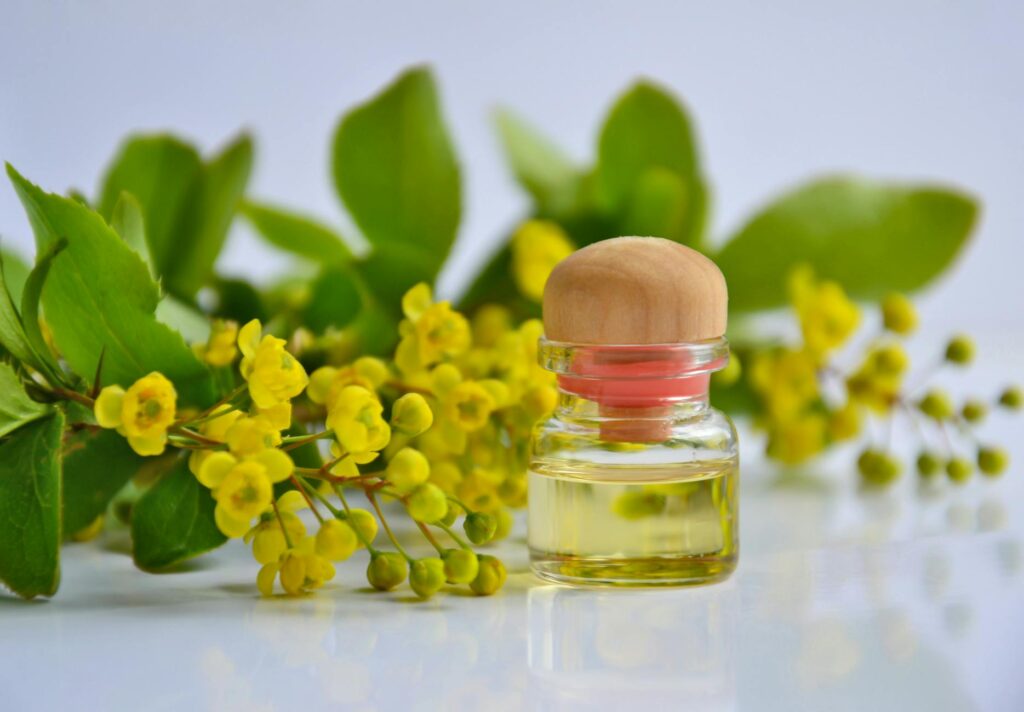
Is Ashitaba Extract Safe? Uses, Benefits and Precautions
Introduction
The realm of natural remedies and herbal extracts has gained significant attention in recent years, with more individuals seeking plant-based solutions for wellness. One such extract that has garnered interest is Ashitaba, a herb native to Japan known for its numerous health benefits. This article aims to explore Ashitaba extract, including its properties, benefits, common applications, safety considerations, and more.
What Is Ashitaba Extract?
Ashitaba (Angelica keiskei) is a perennial plant belonging to the Apiaceae family, which includes carrots, parsley, and celery. The name “Ashitaba” translates to “tomorrow’s leaf” in Japanese, reflecting the plant’s remarkable ability to regenerate its leaves quickly after harvesting. Traditionally, Ashitaba has been used in Japanese culture for centuries, often consumed as a tea or used in culinary dishes.
The extract is derived from the leaves and stems of the plant, featuring a range of bioactive compounds, including flavonoids, coumarins, and vitamins. These components contribute to Ashitaba’s potential health benefits and therapeutic uses.
Key Benefits and Properties
Ashitaba extract is praised for its rich nutritional profile and various beneficial properties:
1. Antioxidant Properties
Ashitaba is known for its high levels of antioxidants, which help combat oxidative stress in the body. Antioxidants can neutralize free radicals, potentially reducing the risk of chronic diseases.
2. Anti-inflammatory Effects
Some studies suggest that Ashitaba may possess anti-inflammatory properties. This could be beneficial in managing conditions characterized by excessive inflammation.
3. Immune System Support
The vitamins and minerals found in Ashitaba extract, including vitamins A, C, and E, may support immune function, helping the body resist infections and illnesses.
4. Skin Health
Ashitaba’s antioxidant properties may also benefit skin health. Topical applications or its inclusion in cosmetic products could potentially aid in reducing signs of aging and improving skin texture.
5. Digestive Health
Traditionally, Ashitaba has been used to promote digestive health. Its fiber content may aid in digestion and support gut health.
Common Uses
Ashitaba extract is versatile and can be utilized in various forms:
1. Dietary Supplements
Ashitaba is often available in capsule or powder form, making it easy to incorporate into daily routines. These supplements are marketed for their health benefits and may be taken alongside other vitamins and minerals.
2. Herbal Teas
The leaves of Ashitaba can be dried and brewed into herbal teas. This traditional method allows for the extraction of its beneficial properties while providing a refreshing beverage.
3. Culinary Uses
Culinary enthusiasts may use fresh Ashitaba leaves in salads, soups, and stir-fries. Its mild, slightly peppery flavor can enhance various dishes.
Aromatherapy Applications
While Ashitaba is primarily known for its health benefits and culinary uses, its application in aromatherapy is less common but noteworthy. The extract is sometimes included in blends for its potential uplifting and refreshing qualities.
1. Essential Oils
Though Ashitaba is not commonly used as an essential oil, its extract may be incorporated into synergistic blends, promoting feelings of well-being and relaxation.
2. Diffusion
In aromatherapy, Ashitaba extract can be added to oil diffusers, allowing its aroma to permeate the air. Users may find that the fresh scent creates a calming environment.
3. Massage Oils
Ashitaba extract can also be blended with carrier oils for massage applications. This may provide both a relaxing experience and the potential benefits associated with the herb.
Safety Considerations
While Ashitaba extract is generally considered safe for consumption and topical application, certain precautions should be taken:
1. Allergies and Sensitivities
Individuals with allergies to plants in the Apiaceae family should approach Ashitaba with caution. Conducting a patch test before applying it topically is advisable to check for any allergic reactions.
2. Pregnancy and Breastfeeding
Pregnant and breastfeeding women should consult healthcare professionals before using Ashitaba extract, as the effects during these periods have not been extensively studied.
3. Medication Interactions
Ashitaba may interact with certain medications, particularly blood thinners or medications that affect liver enzymes. Those on prescribed medications should consult with a healthcare provider before incorporating Ashitaba into their regimen.
4. Dosage Guidelines
As with any supplement, following the recommended dosage is crucial. Overconsumption may lead to unwanted side effects. Always refer to product labels for specific guidelines.
Storage and Shelf Life
To maintain the quality and potency of Ashitaba extract, proper storage is essential:
1. Cool, Dry Place
Store Ashitaba extract in a cool, dry place away from direct sunlight. Excess heat and moisture can degrade the extract’s quality over time.
2. Airtight Containers
Using airtight containers can help prevent exposure to air and moisture, which can lead to oxidation and spoilage.
3. Check Expiration Dates
Always check expiration dates on products to ensure freshness. Supplements stored correctly can typically last for 1-2 years, depending on the form and processing.
Frequently Asked Questions
1. Is Ashitaba extract safe for everyone?
While Ashitaba extract is generally safe, individuals with allergies to similar plants, pregnant or breastfeeding women, and those on certain medications should consult with a healthcare provider.
2. How should I take Ashitaba extract?
Ashitaba extract can be taken in various forms, including capsules, powders, and teas. Follow the dosage recommendations provided on the product label.
3. Can Ashitaba extract be used topically?
Yes, Ashitaba extract can be applied topically when diluted in carrier oils. However, a patch test is recommended to check for allergic reactions.
4. What are the potential side effects of Ashitaba extract?
While generally well-tolerated, some individuals may experience digestive discomfort or allergic reactions. Discontinue use and consult a healthcare provider if any adverse effects occur.
5. Where can I buy Ashitaba extract?
Ashitaba extract is widely available in health food stores, online retailers, and specialty herbal shops. Ensure you purchase from reputable sources to guarantee quality.
Conclusion
Ashitaba extract is a fascinating herbal supplement with a rich history and a variety of potential benefits. While it is generally considered safe, understanding its properties, uses, and precautions is essential for responsible consumption. As with any herbal remedy, informed choices and consultations with healthcare professionals can enhance the experience and ensure safety. Whether you’re exploring Ashitaba for its nutritional benefits, culinary uses, or aromatherapy applications, this remarkable plant continues to intrigue and inspire those on a journey toward natural wellness.