
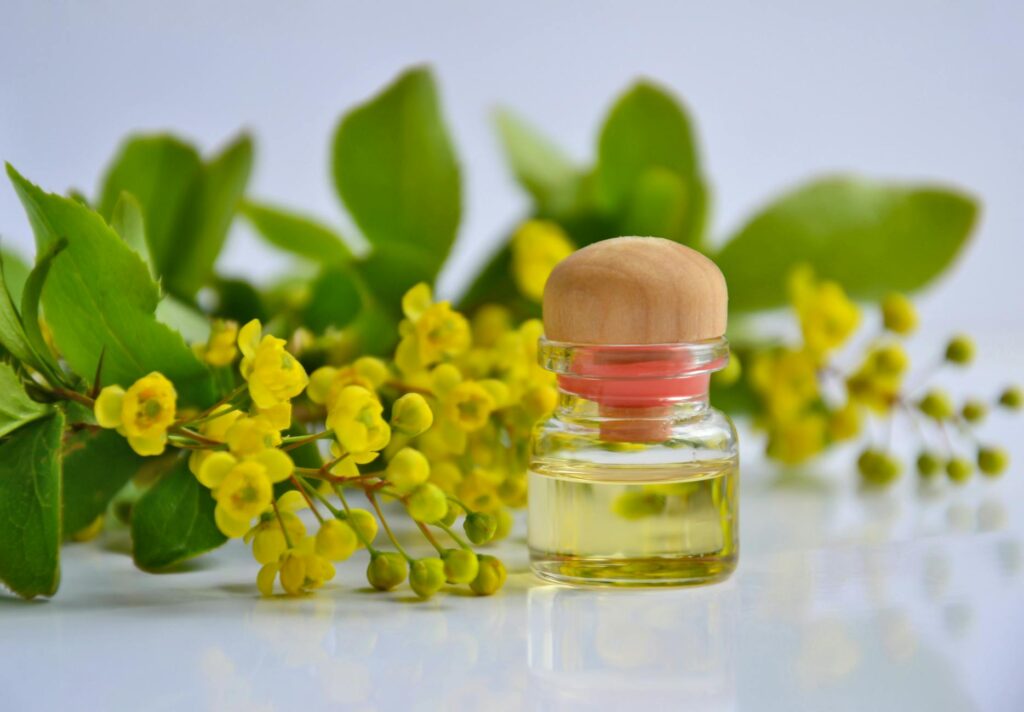
Is Balsam Extracts Safe? Uses, Benefits, and Precautions
Introduction
Balsam extracts have garnered significant attention in the realms of aromatherapy, natural wellness, and cosmetics. These extracts are derived from resinous trees, notably the Balsam Fir, along with various species of Balsam Poplar and other related varieties. Renowned for their aromatic profiles and potential benefits, balsam extracts are used across cultures for various applications. However, understanding their safety, benefits, and proper use is essential for anyone looking to incorporate these extracts into their routines.
What Is Balsam Extracts?
Balsam extracts are concentrated substances obtained from the resin of balsam trees. The most commonly used types include:
- Balsam Fir (Abies balsamea): Known for its sweet, woodsy scent, often used in holiday-themed products.
- Balsam Poplar (Populus balsamifera): Valued for its anti-inflammatory properties and traditional medicinal uses.
- Cosmetics and Skin Care: Incorporated into creams, lotions, and balms for their soothing and aromatic properties.
- Natural Remedies: Used in traditional herbal practices for their potential anti-inflammatory and antimicrobial benefits.
- Household Products: Added to cleaning agents and air fresheners due to their pleasant scent and potential antimicrobial properties.
- Crafts and Fragrances: Utilized in candles, soaps, and potpourri for their aromatic qualities.
These extracts can be found in various forms, including essential oils, tinctures, and infused oils. The extraction process typically involves steam distillation for essential oils or alcohol for tinctures, capturing the aromatic and therapeutic properties of the resin.
Key Benefits and Properties
Balsam extracts are celebrated for their unique chemical composition, which may offer several benefits:
1. Aromatic Qualities: The scent of balsam is often described as refreshing, woodsy, and comforting. It can evoke feelings of relaxation and serenity.
2. Antioxidant Properties: Some studies suggest that balsam extracts contain antioxidants, which can help combat oxidative stress in the body.
3. Anti-Inflammatory Effects: Certain balsam varieties may possess anti-inflammatory properties, potentially aiding in soothing minor skin irritations or discomfort.
4. Antimicrobial Activity: Preliminary research indicates that balsam extracts might have antimicrobial properties, making them beneficial in natural cleaning products or personal care items.
5. Mood Enhancement: The aroma of balsam is often linked to mood elevation and stress relief, making it a popular choice in aromatherapy.
Common Uses
Balsam extracts are versatile and can be used in various contexts:
Aromatherapy Applications
In the field of aromatherapy, balsam extracts are treasured for their therapeutic potential. Here are some common applications:
1. Diffusion: Balsam essential oils can be diffused in a room to create a calming atmosphere conducive to relaxation or meditation.
2. Topical Application: When diluted with carrier oils, balsam extracts can be applied to the skin for localized soothing effects. It is crucial to perform a patch test to ensure sensitivity.
3. Bath Products: Adding balsam extracts to bath oils or salts can enhance the bathing experience, promoting relaxation and comfort.
4. Massage: Used in massage oils, balsam extracts can provide both aromatic and potential physical benefits, easing tension in the muscles and mind.
Safety Considerations
While balsam extracts are generally regarded as safe for many uses, there are several important precautions to consider:
1. Skin Sensitivity: Always perform a patch test before applying balsam extracts to larger areas of skin. Some individuals may experience allergic reactions or skin irritation.
2. Pregnancy and Nursing: Pregnant or nursing individuals should consult with a healthcare professional before using balsam extracts, as some essential oils may not be recommended during these times.
3. Allergies: Those with known sensitivities to pine or resinous plants should exercise caution when using balsam extracts, as they may trigger allergic reactions.
4. Dilution: Essential oils should always be diluted with a carrier oil before topical application to minimize the risk of skin irritation or adverse reactions.
5. Ingestion: Balsam extracts should not be ingested unless under the guidance of a qualified professional. Not all extracts are safe for consumption, and improper use can lead to adverse effects.
6. Interaction with Medications: Individuals taking medications should consult a healthcare provider, as certain essential oils may interact with medications or underlying health conditions.
Storage and Shelf Life
To maintain the quality and efficacy of balsam extracts, proper storage is essential:
1. Storage Conditions: Keep balsam extracts in a cool, dark place away from direct sunlight and heat. This helps to preserve their aromatic and therapeutic properties.
2. Containers: Store essential oils and extracts in dark glass bottles to protect them from light degradation. Plastic containers may absorb the oils and degrade over time.
3. Shelf Life: Generally, balsam extracts have a shelf life ranging from 1 to 3 years, depending on the type and storage conditions. Regularly check for changes in color, scent, or consistency, which may indicate spoilage.
Frequently Asked Questions
1. Are balsam extracts safe for children?
Balsam extracts may be used around children, but it is crucial to dilute them appropriately and consult a healthcare provider for guidelines specific to age and sensitivity.
2. Can balsam extracts be used in cooking?
Most balsam extracts are not intended for culinary use unless specifically labeled as safe for ingestion. Always check the product specifications before considering consumption.
3. How do I choose a quality balsam extract?
Look for reputable brands that provide third-party testing results. Ensure the extract is pure and free from synthetic additives or fillers.
4. How can I incorporate balsam extracts into my daily routine?
You can use balsam extracts in diffusers, baths, or as part of your skincare regimen. However, always follow dilution guidelines and safety precautions.
5. What should I do if I experience a reaction to balsam extracts?
If you experience any adverse reactions such as itching, redness, or swelling, discontinue use immediately and consult a healthcare professional if necessary.
Conclusion
Balsam extracts offer a delightful blend of aromatic qualities and potential benefits. While they are generally safe for many applications, it’s crucial to approach their use with knowledge and caution. By understanding their properties, uses, and safety considerations, individuals can effectively incorporate balsam extracts into their wellness routines, enhancing both their physical and emotional well-being. Always prioritize safety and consult professionals when in doubt, ensuring a positive and enriching experience with these natural extracts.