
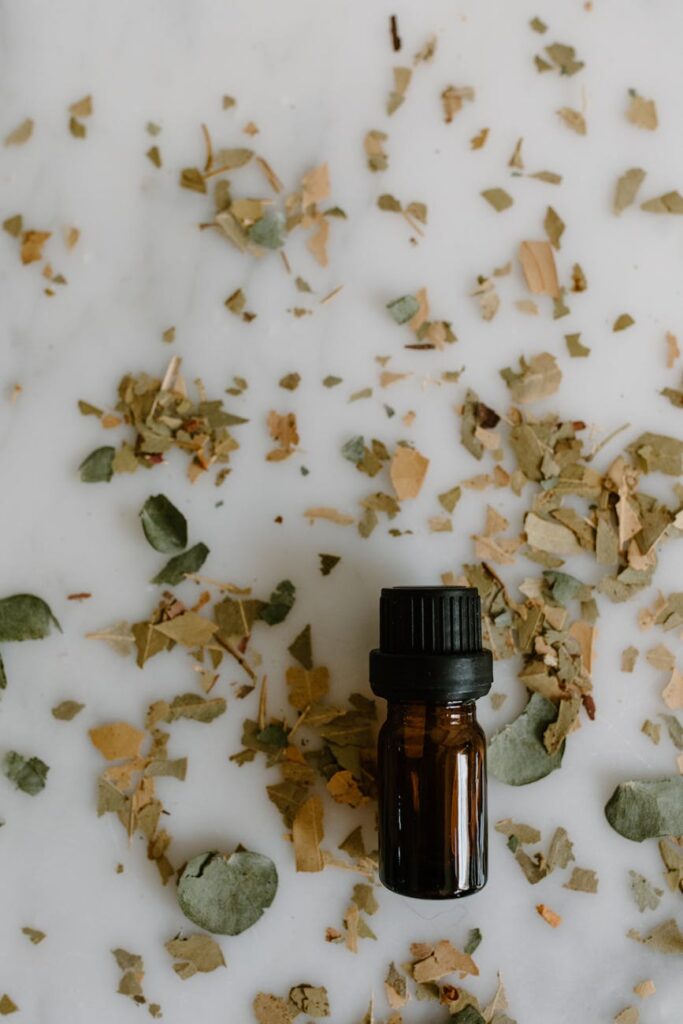
Is Baobab Oil Safe? Uses, Benefits and Precautions
Introduction
Baobab oil, derived from the seeds of the iconic Baobab tree native to Africa, has garnered significant attention for its diverse range of applications in cosmetic and therapeutic practices. Renowned for its rich nutrient profile, it has been embraced in various cultures for centuries. This article aims to provide a comprehensive overview of baobab oil, including its properties, benefits, common uses, and essential safety considerations.
What Is Baobab Oil?
Baobab oil is extracted from the seeds of the Adansonia tree, often referred to as the “Tree of Life.” This tree is notable for its massive trunk, which can store large quantities of water, enabling it to thrive in arid climates. The oil is cold-pressed from the seeds, preserving its natural properties and nutrients.
Rich in fatty acids, vitamins, and antioxidants, baobab oil has a light texture that absorbs easily into the skin, making it an excellent candidate for various applications in skincare and wellness.
Key Benefits and Properties
Nutrient-Dense Composition
Baobab oil is rich in essential fatty acids, including oleic, linoleic, and palmitic acids. These fatty acids are known for their moisturizing and nourishing properties, making baobab oil particularly beneficial for dry and sensitive skin.
Antioxidant Properties
The oil contains high levels of antioxidants, including vitamins A, D, E, and K, which help combat oxidative stress. Antioxidants are essential for neutralizing free radicals, thereby supporting overall skin health and longevity.
Anti-Inflammatory Effects
Baobab oil is noted for its anti-inflammatory properties. The oil may help soothe irritated skin, making it an ideal ingredient for formulations designed for sensitive or inflamed skin conditions.
Skin Regeneration
Due to its high vitamin content, baobab oil is believed to promote skin regeneration. It may assist in the healing of minor wounds and scars, contributing to an even skin tone and texture.
Emollient Qualities
The oil’s emollient properties allow it to create a protective barrier on the skin, locking in moisture and preventing transepidermal water loss. This is particularly valuable in maintaining hydration in dry climates or during harsh weather conditions.
Common Uses
Skincare
Baobab oil is frequently incorporated into skincare products, such as moisturizers, serums, and lotions. Its lightweight texture makes it suitable for all skin types, including oily and combination skin.
Application Tips
- Moisturizer: Use baobab oil as a standalone moisturizer or add a few drops to your favorite cream to enhance its hydrating properties.
- Facial Serum: Apply a few drops directly to the skin after cleansing to boost hydration and improve skin texture.
- Hair Oil: Apply baobab oil to the ends of your hair to hydrate and protect against damage.
- Scalp Treatment: Massage a small amount into the scalp to promote moisture and alleviate dryness.
- Keep it in a cool, dark place: Avoid exposure to direct sunlight or heat, which can degrade the oil.
- Use dark glass containers: This helps protect the oil from light, preserving its quality.
- Seal tightly: Ensure that the container is sealed properly to minimize oxidation.
Hair Care
Baobab oil can be beneficial for hair health, providing moisture and nourishment to dry, damaged hair. It may help improve shine and reduce frizz.
Application Tips
Culinary Uses
In addition to its beauty applications, baobab oil is sometimes used in cooking. Rich in omega fatty acids and vitamins, it can be a nutritious addition to dressings and marinades.
Massage Oil
Due to its emollient properties, baobab oil can be used as a base oil for massages, providing a smooth glide on the skin while nourishing it simultaneously.
Aromatherapy Applications
While baobab oil is not an essential oil, it can serve as a carrier oil in aromatherapy. Its light texture allows it to effectively dilute essential oils while enhancing their skin benefits.
Blending with Essential Oils
Baobab oil pairs well with various essential oils, such as lavender, tea tree, or rosemary. When blending, it is advisable to follow a proper dilution ratio—typically 2-3% essential oil to 97-98% carrier oil for topical applications.
Skin Application
When using baobab oil as a carrier for essential oils, it can facilitate smoother application, allowing the beneficial properties of the essential oil to absorb more effectively into the skin.
Safety Considerations
Skin Sensitivity
While baobab oil is generally considered safe for topical use, individual reactions may vary. It is advisable to perform a patch test before applying it widely to the skin, especially for those with sensitive skin or allergies.
Allergic Reactions
Though rare, allergic reactions to baobab oil can occur. Symptoms may include redness, itching, or swelling. If any of these symptoms arise, discontinue use and consult a healthcare professional.
Ingestion Precautions
If considering baobab oil for culinary uses, ensure that it is food-grade and sourced from reputable suppliers. Pregnant or breastfeeding individuals should consult with a healthcare provider before incorporating new oils into their diet.
Children and Pets
As with all oils, caution is advised when using baobab oil around children and pets. Always consult with a pediatrician or veterinarian before use.
Storage and Shelf Life
Baobab oil has a shelf life of approximately 12-24 months when stored properly. To maximize its longevity:
Frequently Asked Questions
Is baobab oil suitable for all skin types?
Yes, baobab oil is generally suitable for all skin types, including oily, dry, and sensitive skin. Its lightweight texture allows for easy absorption without clogging pores.
Can baobab oil be used on the face?
Absolutely. Baobab oil can be used on the face as a moisturizer or serum. Its nourishing properties can help improve skin texture and hydration.
How often can I use baobab oil?
Baobab oil can be used daily, depending on individual skin needs. It can be applied as part of your morning or evening skincare routine.
Is baobab oil safe during pregnancy?
While baobab oil is considered safe for topical application, it is advisable for pregnant individuals to consult with a healthcare provider before using any new products.
Can baobab oil go rancid?
Like most oils, baobab oil can go rancid over time. Proper storage and usage within the recommended shelf life can help prevent this.
Conclusion
Baobab oil is a versatile and nutrient-rich oil with a variety of applications in skincare, hair care, and even culinary uses. Its antioxidant properties, emollient qualities, and skin regeneration capabilities make it a valuable addition to many beauty routines. However, as with any natural product, it is crucial to consider safety precautions and individual sensitivities. When used appropriately, baobab oil can enhance both beauty and wellness, celebrating the rich cultural heritage of the Baobab tree.