
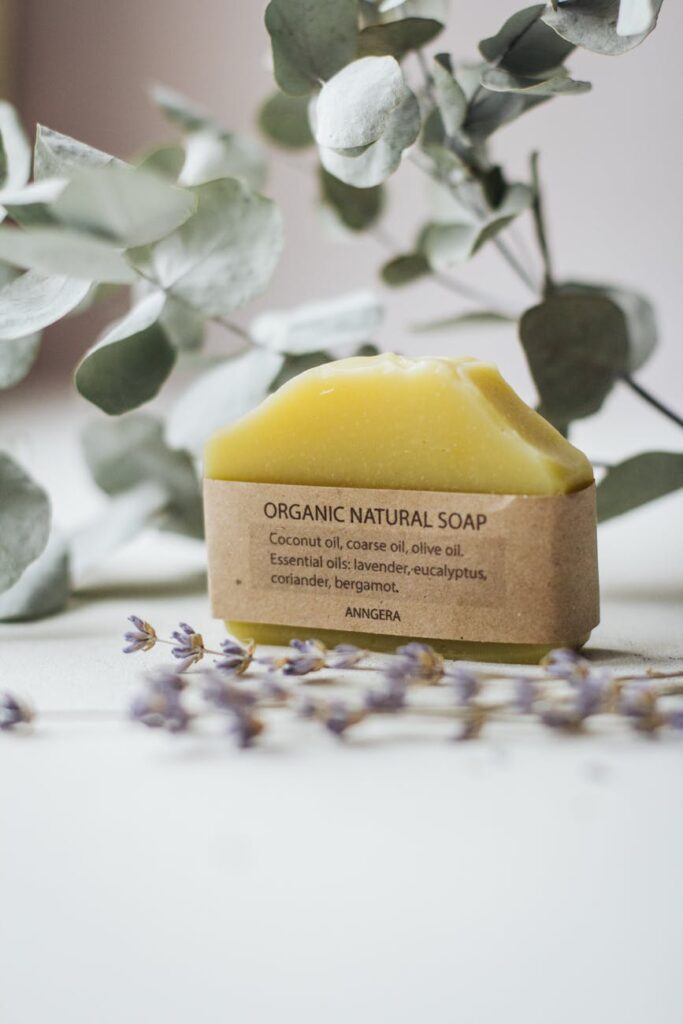
Is Bergamot Oil Safe? Uses, Benefits and Precautions
Introduction
Bergamot oil, derived from the peel of the bergamot orange (Citrus bergamia), has gained popularity in both aromatherapy and natural wellness communities. Known for its refreshing citrus scent, bergamot oil is celebrated for its potential benefits, including mood enhancement and skin care. However, as with any essential oil, understanding its uses, benefits, and safety precautions is crucial for responsible application. This article explores the nature of bergamot oil, its properties, common applications, and essential safety considerations.
What Is Bergamot Oil?
Bergamot oil is extracted from the fruit of the bergamot orange tree, which thrives primarily in the Mediterranean region. The fruit is a hybrid of lemon and bitter orange, exhibiting a unique fragrance characterized by a sweet, floral, and slightly spicy aroma. The oil is obtained through cold pressing the peel, a method that preserves its delicate compounds and aromatic qualities.
The composition of bergamot oil includes notable constituents such as linalool, limonene, and bergapten, each contributing to its therapeutic properties. Due to its distinct scent, bergamot oil is often used in perfumes, cosmetics, and culinary applications.
Key Benefits and Properties
Bergamot oil possesses several properties attributed to its unique chemical composition:
1. Antidepressant Effects: Bergamot oil is often cited for its ability to uplift mood and alleviate feelings of anxiety and stress. The scent is believed to influence the brain’s limbic system, which plays a significant role in emotions.
2. Antimicrobial Properties: Studies have indicated that bergamot oil may exhibit antimicrobial effects, making it a potential candidate for natural cleaning products and skin care formulations.
3. Anti-inflammatory Effects: The oil may help reduce inflammation, providing relief to minor skin irritations when appropriately diluted.
4. Digestive Aid: Traditionally, bergamot oil has been employed in digestive remedies. Its fresh scent is thought to stimulate appetite and ease digestive discomfort.
5. Skin Care: Bergamot oil is often included in skin care products due to its astringent properties, which may help balance oily skin and reduce the appearance of acne.
Common Uses
Bergamot oil can be utilized in various contexts, including:
- Aromatherapy: Its uplifting scent makes it popular for diffusing in spaces to create a calming atmosphere.
- Skin Care: When diluted, it can be added to lotions and creams to enhance skin appearance.
- Culinary Uses: Bergamot oil is a flavoring agent in certain teas, notably Earl Grey, and can be used in baking to impart a citrusy note.
- Perfumes and Fragrances: Its pleasing aroma is a common note in many perfumes.
- Diffusion: Adding a few drops of bergamot oil to a diffuser can create a refreshing and uplifting environment, beneficial for reducing stress and enhancing mood.
- Inhalation: Direct inhalation of bergamot oil from the bottle or a cotton ball can provide immediate emotional support during stressful moments.
- Topical Application: When diluted with a carrier oil, bergamot oil can be applied to pulse points or areas of tension. Popular carrier oils include sweet almond oil, coconut oil, and jojoba oil.
- Bath Additive: A few drops of bergamot oil can be added to bathwater for a soothing and aromatic experience.
- Container: Bergamot oil should be stored in a dark glass bottle to protect it from light degradation.
- Temperature: Keep the oil in a cool, dry place, away from direct sunlight and heat sources.
- Shelf Life: When stored correctly, bergamot oil can last up to two years. However, it is advisable to check for changes in aroma or consistency, which may indicate that the oil has gone rancid.
Aromatherapy Applications
In aromatherapy, bergamot oil is often used to promote relaxation and emotional balance. Here are some common methods of application:
Safety Considerations
While bergamot oil is widely regarded as safe for use, several precautions should be taken into account:
1. Photosensitivity: One of the most noted concerns with bergamot oil is its potential to cause photosensitivity. Bergapten, a compound present in bergamot oil, can increase the skin’s sensitivity to sunlight, leading to sunburn or skin irritation. It is advisable to avoid direct sunlight for at least 12 hours after topical application.
2. Dilution: Essential oils should always be diluted before topical application. A typical dilution ratio is 2-3 drops of essential oil per teaspoon of carrier oil.
3. Allergic Reactions: As with any essential oil, individuals may experience allergic reactions. A patch test is recommended for first-time users: apply a small diluted amount on a discreet area of skin and wait 24 hours to monitor for reactions.
4. Pregnancy and Nursing: Pregnant or nursing individuals should consult a qualified healthcare provider before using bergamot oil, as some essential oils may not be suitable during these periods.
5. Medication Interactions: Bergamot oil may interact with certain medications, particularly those affecting mood. It’s crucial to consult a healthcare professional if you are on medication or have underlying health conditions.
Storage and Shelf Life
To maintain the quality and efficacy of bergamot oil, proper storage is essential:
Frequently Asked Questions
1. Can I use bergamot oil directly on my skin?
Bergamot oil should always be diluted with a carrier oil before applying it to the skin to prevent irritation and allergic reactions.
2. Is bergamot oil safe for children?
While bergamot oil can be used safely in low concentrations for children over two years old, it is essential to consult with a healthcare provider for specific guidance.
3. How can I incorporate bergamot oil into my daily routine?
Bergamot oil can be diffused in your living space, added to your skincare regimen, or used in relaxing baths to promote emotional well-being.
4. Does bergamot oil have any side effects?
Potential side effects include skin irritation and increased sensitivity to sunlight. Always perform a patch test and avoid direct sunlight after application.
5. Can bergamot oil be ingested?
While some bergamot oil is food-grade and can be ingested in small amounts, it is crucial to ensure that the oil is specifically labeled for culinary use and to consult a healthcare provider beforehand.
Conclusion
Bergamot oil is a versatile essential oil with numerous applications in aromatherapy, skin care, and culinary arts. While it offers various benefits, understanding its safety considerations is vital for responsible use. By adhering to recommended precautions and storage practices, individuals can safely enjoy the uplifting and refreshing qualities of bergamot oil in their daily lives.