
Is Bergamot Oil Safety Safe? Uses, Benefits and Precautions
Introduction
Bergamot oil, derived from the peel of the bergamot orange (Citrus bergamia), is a popular essential oil known for its refreshing citrus scent and numerous applications in aromatherapy and personal care. This oil has gained significant attention for its potential benefits, including mood enhancement and skin care. However, before incorporating bergamot oil into daily routines, it is essential to explore its safety, benefits, uses, and precautions.
What Is Bergamot Oil Safety?
Bergamot oil is classified as a volatile essential oil, meaning it can evaporate quickly and is made up of various chemical constituents. The primary components of bergamot oil include limonene, linalool, and bergapten. While bergamot oil is generally considered safe for use, certain factors can affect its safety profile, particularly concerning skin sensitivity and phototoxicity.
Phototoxicity
One of the main safety concerns surrounding bergamot oil is its potential for phototoxicity. Phototoxic compounds, such as bergapten, can cause skin reactions when exposed to UV light. This means that using bergamot oil on the skin before sun exposure can increase the risk of sunburn or skin irritation. Understanding this property is vital for safe usage.
Key Benefits and Properties
Bergamot oil offers a range of potential benefits and properties that make it valuable in various applications:
1. Mood Enhancement: The uplifting aroma of bergamot oil is known to promote feelings of well-being and reduce stress. Studies suggest that inhaling bergamot oil may help alleviate anxiety and improve mood.
2. Antimicrobial Properties: Bergamot oil displays antimicrobial activity, which may help combat certain bacteria and fungi. This property makes it a popular choice for natural cleaning products and skincare formulations.
3. Digestive Aid: Bergamot oil has been traditionally used to support digestion. Its soothing properties can potentially help in relieving discomfort related to digestion.
4. Skin Care: When diluted properly, bergamot oil can be beneficial for certain skin conditions. Its astringent properties may help balance oily skin and reduce the appearance of blemishes.
5. Anti-inflammatory Effects: Some studies have indicated that bergamot oil may have anti-inflammatory properties, which can be beneficial for overall skin health.
Common Uses
Bergamot oil can be used in various contexts, including:
- Aromatherapy: Diffusing bergamot oil in a room can create a calming atmosphere, promoting relaxation and improving mood.
- Skin Care: When diluted with a carrier oil, bergamot oil can be applied to the skin for its potential benefits. It is commonly found in skincare products targeting oily or acne-prone skin.
- Fragrance: Bergamot oil is often used in perfumes and scented products due to its refreshing scent and ability to blend well with other essential oils.
- Culinary Uses: In some cultures, bergamot oil is used as a flavoring agent in food and beverages, particularly in Earl Grey tea.
- Diffusion: Adding a few drops of bergamot oil to a diffuser can fill a room with its refreshing scent, promoting relaxation and reducing anxiety.
- Massage: When blended with a carrier oil, bergamot oil can be incorporated into massage therapy for its soothing effects on both the body and mind.
- Bathing: A few drops of bergamot oil can be added to bathwater for a calming experience. However, it should always be diluted properly to avoid skin irritation.
- Storage Conditions: Bergamot oil should be stored in a cool, dark place, away from direct sunlight and heat sources. This helps preserve its aromatic compounds and therapeutic properties.
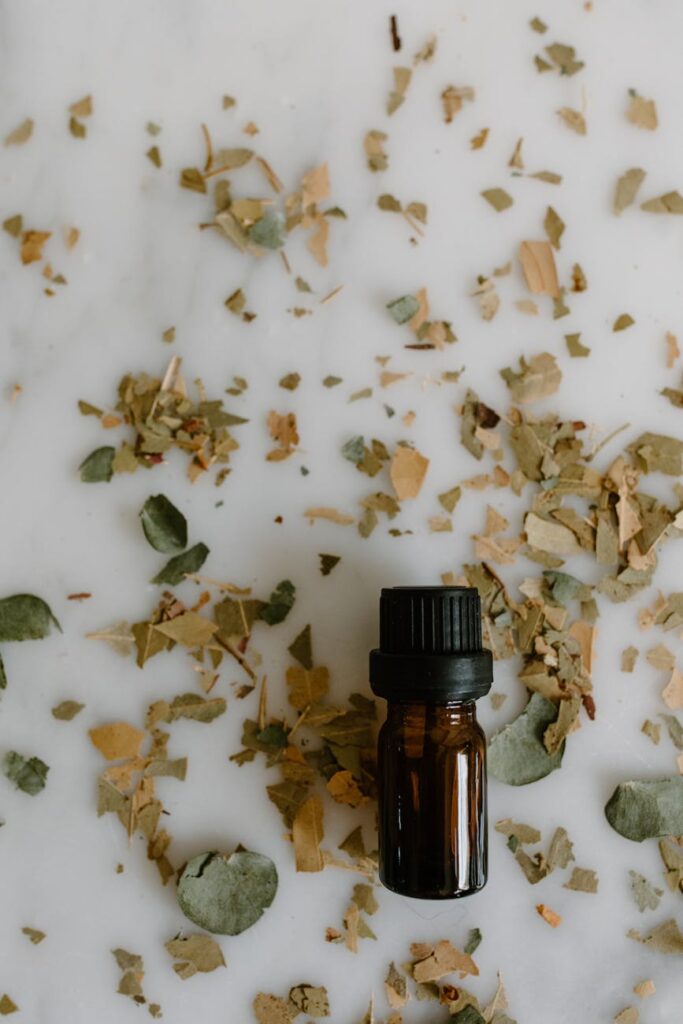
- Container: It is best stored in an amber or cobalt blue glass bottle to protect it from light degradation.
- Shelf Life: Generally, bergamot oil has a shelf life of about 2-3 years when stored properly. However, it is advisable to check for any changes in aroma or appearance before use.
Aromatherapy Applications
In aromatherapy, bergamot oil is prized for its versatility and uplifting properties. It can be used in various ways:
Safety Considerations
While bergamot oil is generally safe for most individuals when used appropriately, there are several important safety considerations to keep in mind:
Dilution
Bergamot oil should always be diluted in a carrier oil before topical application. Recommended dilution ratios vary, but a common guideline is to use 2-3 drops of bergamot oil per teaspoon of carrier oil.
Skin Sensitivity
Individuals with sensitive skin may experience irritation or allergic reactions when using bergamot oil. It is advisable to conduct a patch test before applying it more broadly. If irritation occurs, discontinue use immediately.
Avoid Sun Exposure
Due to its phototoxic properties, individuals should avoid direct sunlight or UV light exposure after applying bergamot oil to the skin. It is recommended to use bergamot oil in the evening or to cover the treated area when exposure is likely.
Pregnancy and Nursing
Pregnant and nursing individuals should consult a healthcare professional before using bergamot oil or any essential oil, as safety during these periods has not been extensively studied.
Children and Pets
As with all essential oils, bergamot oil should be kept out of reach of children and pets. Consult a qualified professional for guidance on safe usage around children and pets.
Storage and Shelf Life
Proper storage is essential for maintaining the quality of bergamot oil:
Frequently Asked Questions
1. Can bergamot oil be ingested?
While bergamot oil is used in some culinary applications, ingestion should only be done under the guidance of a qualified professional. Not all essential oils are safe for internal use.
2. Is bergamot oil suitable for all skin types?
Bergamot oil can be beneficial for oily and acne-prone skin, but it may cause irritation in individuals with sensitive skin. Always dilute and perform a patch test.
3. How can I use bergamot oil in my home?
Bergamot oil can be used in a diffuser, added to homemade cleaning products, or incorporated into personal care items like lotions and body oils.
4. What should I do if I experience irritation after using bergamot oil?
If irritation occurs, discontinue use immediately and wash the affected area with soap and water. Consult a healthcare professional if symptoms persist.
5. Can bergamot oil interact with medications?
Certain essential oils, including bergamot oil, may interact with medications. It is important to consult a healthcare provider before using bergamot oil, especially if you are on medication.
Conclusion
Bergamot oil is a versatile essential oil with a range of potential benefits and applications. While it is generally considered safe for use, precautions related to phototoxicity, skin sensitivity, and proper dilution must be taken into account. By understanding its properties and uses, individuals can enjoy the uplifting and therapeutic qualities of bergamot oil while minimizing risks. Always prioritize safety and consult professionals when in doubt.