
Is Black Cumin Seed Oil Safe? Uses, Benefits and Precautions
Introduction
Black cumin seed oil, derived from the seeds of the Nigella sativa plant, has been utilized for centuries across various cultures for its purported health benefits and culinary uses. In recent years, its popularity has surged in the realm of wellness and alternative therapies, particularly within aromatherapy. This article delves into the safety, uses, benefits, and precautions associated with black cumin seed oil, providing a comprehensive overview for those interested in incorporating this oil into their wellness routines.
What Is Black Cumin Seed Oil?
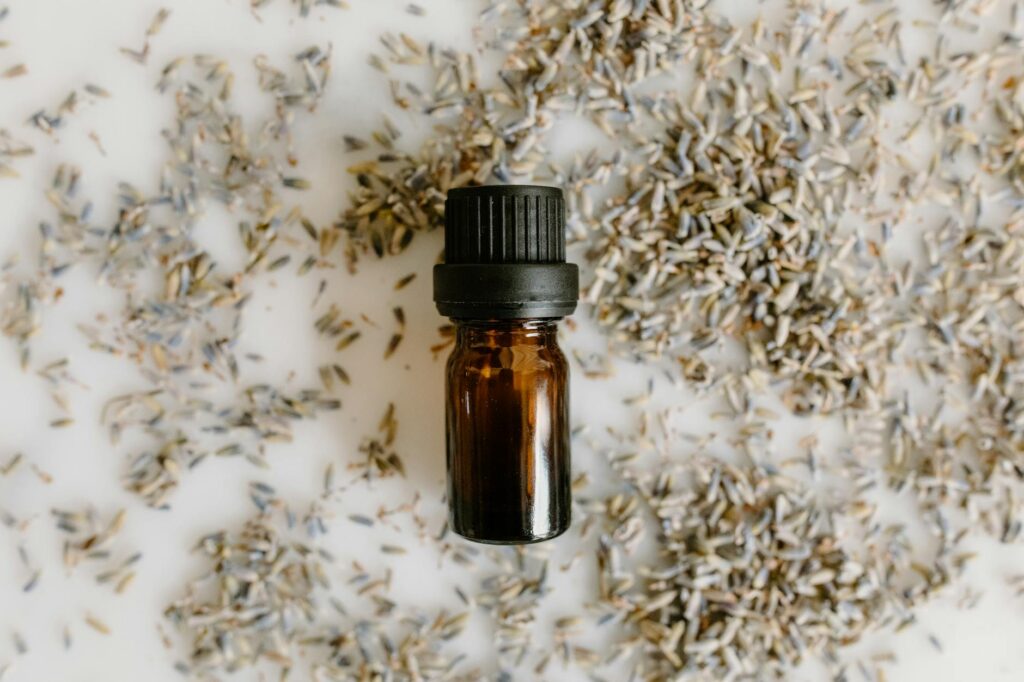
Black cumin seed oil is extracted from the seeds of the Nigella sativa plant, which is native to South and Southwest Asia. The oil is typically cold-pressed to retain its beneficial properties and is characterized by its rich, earthy aroma and dark amber color. Traditionally, black cumin has been revered in various cultures, including ancient Egyptians, who believed it to possess protective and healing properties. The oil is often confused with black seed oil, but it is important to note that they are derived from different plants.
Key Benefits and Properties
Black cumin seed oil is renowned for its diverse array of compounds, including thymoquinone, an active ingredient that has garnered significant attention for its potential health benefits. The oil contains various essential fatty acids, vitamins, and minerals, making it a potent addition to a natural wellness regimen. Some of the key benefits and properties include:
- Antioxidant Properties: The presence of thymoquinone contributes to the oil’s antioxidant capacity, which can help protect cells from oxidative stress.
- Anti-Inflammatory Effects: Some studies suggest that black cumin seed oil may help reduce inflammation, which can be beneficial for various conditions.
- Immune Support: Its potential immune-boosting properties have made it a popular choice among those seeking to enhance their overall health and well-being.
- Digestive Health: Traditionally, black cumin has been used to support digestive health and alleviate discomfort.
- Skin Health: The oil is often used in cosmetic formulations for its moisturizing and soothing effects.
- Culinary Uses: The oil can be used as a dressing or finishing oil in salads, dips, and marinades. Due to its strong flavor, it is often used sparingly.
- Topical Applications: Many people apply diluted black cumin seed oil to the skin for its potential benefits in promoting healthy skin and reducing the appearance of blemishes.
- Hair Care: The oil is sometimes added to hair care products or used as a hair treatment to promote shine and manageability.
- Supplements: Available in capsule form, black cumin seed oil can be taken as a dietary supplement.
- Blends for Relaxation: When blended with other calming essential oils, black cumin seed oil can create a soothing atmosphere conducive to relaxation and stress relief.
- Support for Focus: The oil’s earthy scent may help ground the mind and enhance focus when used in meditation practices.
- Massage Oils: Diluted black cumin seed oil can be incorporated into massage blends to promote relaxation and relieve tension in the muscles.
- Dilution Required: When applying the oil topically, it is crucial to dilute it with a carrier oil to prevent skin irritation. A common dilution ratio is 1-2 drops of essential oil per teaspoon of carrier oil.
- Patch Test: Before using black cumin seed oil on a larger area of the skin, conducting a patch test on a small area can help identify any adverse reactions.
- Pregnancy and Nursing: Pregnant and nursing individuals should consult a healthcare professional before using black cumin seed oil, as its effects during pregnancy are not well-studied.
- Allergies: Individuals with allergies to plants in the Ranunculaceae family should exercise caution, as they may also be sensitive to black cumin seed oil.
- Medication Interactions: Those taking medications or managing health conditions should consult a healthcare provider to discuss potential interactions with black cumin seed oil.
Common Uses
Black cumin seed oil is versatile and can be utilized in various ways:
Aromatherapy Applications
In the realm of aromatherapy, black cumin seed oil is appreciated for its unique scent and potential therapeutic properties. Its rich, spicy aroma can evoke warmth and comfort, making it a valuable addition to diffusers and personal inhalers. Some common applications in aromatherapy include:
Safety Considerations
While black cumin seed oil is generally considered safe for most individuals when used appropriately, certain precautions should be taken:
Storage and Shelf Life
Proper storage is essential for maintaining the quality of black cumin seed oil. It should be kept in a cool, dark place, away from direct sunlight and heat sources. The oil is best stored in a dark glass bottle to protect it from light degradation. Typically, black cumin seed oil has a shelf life of about 1-2 years when stored correctly. Always check for any changes in smell, color, or consistency before use, as these may indicate that the oil has gone rancid.
Frequently Asked Questions
1. Can black cumin seed oil be ingested?
Yes, black cumin seed oil can be ingested in small quantities, often in capsule form. However, it is advisable to consult a healthcare provider before doing so, especially for individuals with existing health conditions.
2. Is black cumin seed oil safe for children?
While black cumin seed oil is generally considered safe, it is recommended to consult a pediatrician before using it on children. Dilution and patch testing are also advisable for younger users.
3. Can black cumin seed oil help with skin conditions?
Many people use black cumin seed oil for its potential benefits for skin health, including its moisturizing properties. However, individual reactions may vary, and it is crucial to conduct a patch test prior to widespread use.
4. How do I use black cumin seed oil in a diffuser?
To use black cumin seed oil in a diffuser, add a few drops (typically 3-5) to the water reservoir, following the manufacturer’s instructions. It can be blended with other essential oils to create a personalized aromatic experience.
5. What should I do if I experience irritation from black cumin seed oil?
If any irritation occurs after using black cumin seed oil, discontinue use immediately. Rinse the affected area with a carrier oil (such as coconut or olive oil) to dilute the oil, and consult a healthcare professional if the irritation persists.
Conclusion
Black cumin seed oil offers a wide range of potential benefits and applications, making it a valuable addition to natural wellness routines. While generally considered safe, it is crucial to use the oil mindfully and to consult with a healthcare professional if there are any concerns. By appreciating the rich history and diverse uses of black cumin seed oil, individuals can harness its potential while ensuring their safety and well-being.