
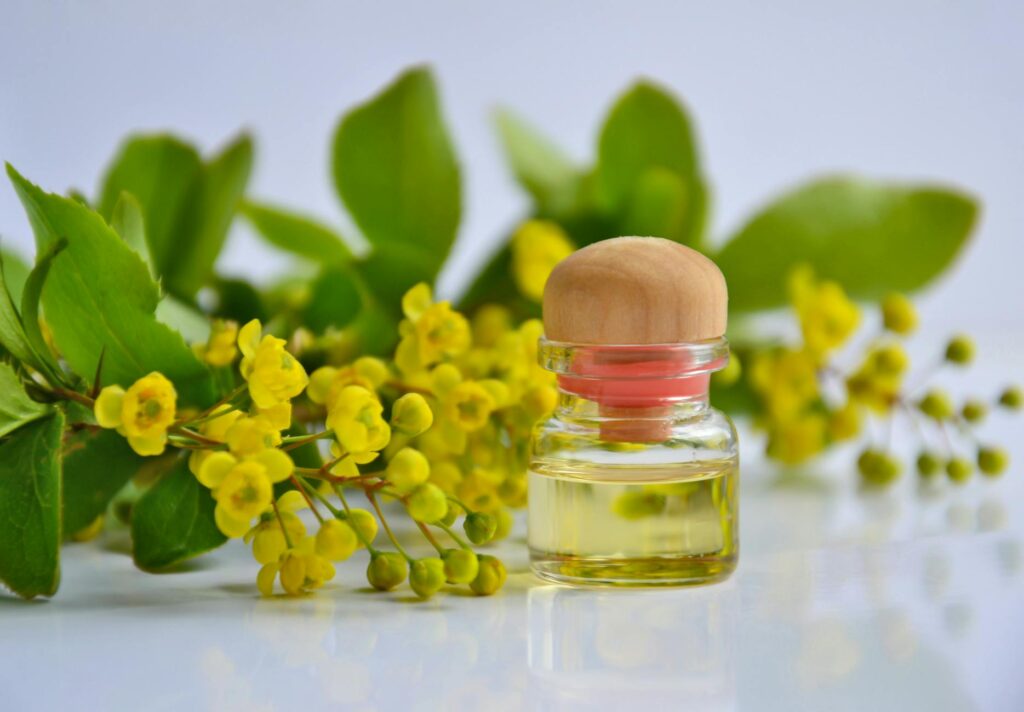
Is Botanical Ingredients – Argan Oil Safe? Uses, Benefits and Precautions
Introduction
Argan oil, derived from the nuts of the Argania spinosa tree native to Morocco, has garnered significant attention in recent years for its various applications in beauty, skincare, and health. Known for its rich nutrient profile, including essential fatty acids, antioxidants, and vitamins, argan oil has established itself as a staple in both the cosmetic industry and natural remedies. This article explores the safety, uses, benefits, and precautions associated with argan oil, providing a comprehensive overview for those interested in incorporating this botanical ingredient into their routines.
What Is Botanical Ingredients – Argan Oil?
Argan oil is a plant oil obtained from the kernels of the argan tree. The oil is extracted through cold-pressing, which helps retain its beneficial properties. Traditionally, local populations in Morocco have utilized argan oil for culinary purposes as well as for skin and hair care. The oil is rich in oleic and linoleic acids, vitamins E and A, and other antioxidants that contribute to its numerous benefits.
Key Benefits and Properties
1. Moisturizing Properties: Argan oil is an excellent moisturizer due to its high fatty acid content. It penetrates the skin easily, providing hydration without leaving a greasy residue.
2. Antioxidant Benefits: The presence of vitamin E and other antioxidants helps combat oxidative stress, reducing the appearance of aging and skin damage caused by environmental factors.
3. Anti-Inflammatory Effects: Argan oil may help soothe irritated skin and reduce inflammation, making it beneficial for conditions such as eczema and psoriasis.
4. Hair Nourishment: The oil is often used to condition and hydrate hair, improving texture and shine while reducing frizz.
5. Wound Healing: Some studies suggest that argan oil may promote wound healing and improve skin elasticity, although further research is needed in this area.
6. Non-Comedogenic: Argan oil is considered non-comedogenic, meaning it is unlikely to clog pores, making it suitable for various skin types, including acne-prone skin.
Common Uses
Skincare
- Moisturizer: Many individuals use argan oil as a daily moisturizer for the face and body. It can be applied directly to the skin or mixed with other lotions and creams.
- Facial Oil: Due to its lightweight texture, argan oil is often included in facial oils, serums, and other skincare products.
- Makeup Remover: Its ability to dissolve makeup makes it a natural choice for gentle makeup removal.
- Conditioner: Argan oil can be applied as a leave-in conditioner to nourish and protect hair, helping to reduce breakage.
- Styling Aid: It can be used to tame frizz, enhance shine, and protect hair from heat damage when applied before styling.
- Storage Conditions: Argan oil should be stored in a cool, dark place away from direct sunlight. Exposure to light and heat can degrade the oil, diminishing its beneficial properties.
- Container Type: Dark glass bottles are preferable for storage, as they help protect the oil from light exposure.
- Shelf Life: When stored correctly, argan oil can last for about 12 to 24 months. Always check for any changes in smell, color, or texture, as these may indicate spoilage.
Haircare
Culinary Uses
Though primarily known for its cosmetic applications, argan oil is also used in Moroccan cuisine. It is often drizzled over salads, vegetables, and couscous, contributing a nutty flavor and health benefits.
Aromatherapy Applications
While argan oil is not commonly used as an essential oil in aromatherapy, it can serve as a carrier oil due to its nourishing properties. In aromatherapy, essential oils are often diluted in a carrier oil for topical application. Argan oil’s light texture and skin compatibility make it an ideal choice for this purpose.
For example, combining essential oils like lavender or tea tree oil with argan oil can enhance the benefits of the essential oils while providing additional moisturizing effects. It is essential to ensure that any essential oil used is safe for topical application and properly diluted.
Safety Considerations
While argan oil is generally recognized as safe for topical use, some considerations should be kept in mind:
1. Allergic Reactions: Though rare, some individuals may be allergic to argan oil. It is advisable to conduct a patch test by applying a small amount of oil to a discreet area of skin and monitoring for any adverse reactions.
2. Avoiding Eye Contact: Care should be taken to avoid contact with the eyes, as this may cause irritation.
3. Pregnancy and Nursing: While argan oil is considered safe for topical use, pregnant and nursing women should consult healthcare professionals before using any new products.
4. Quality of Product: The purity and quality of argan oil can vary significantly. It is essential to choose high-quality, pure, cold-pressed argan oil from reputable sources to ensure maximum benefits and safety.
5. Interactions with Medications: If you are taking medications or have specific health conditions, it is wise to consult a healthcare professional before incorporating argan oil into your routine.
Storage and Shelf Life
To maintain the quality and effectiveness of argan oil, proper storage is essential:
Frequently Asked Questions
1. Can I use argan oil on my face?
Yes, argan oil is suitable for facial use and is often used as a moisturizer or in facial oils. Its lightweight consistency makes it ideal for various skin types.
2. Is argan oil safe for all skin types?
Argan oil is generally safe for most skin types, including sensitive and acne-prone skin. However, performing a patch test is recommended before widespread use.
3. Can I ingest argan oil?
While culinary-grade argan oil is safe for consumption, it is essential to ensure that the oil is specifically labeled for culinary use. Always consult a healthcare professional before introducing new oils into your diet.
4. How do I incorporate argan oil into my hair care routine?
You can use argan oil as a leave-in conditioner, apply it before styling as a heat protectant, or mix it with your regular hair products for added nourishment.
5. Can I mix argan oil with essential oils?
Yes, argan oil can be used as a carrier oil to dilute essential oils for topical application. Be sure to follow appropriate dilution guidelines for essential oils.
Conclusion
Argan oil is a versatile and beneficial botanical ingredient that offers numerous advantages for skincare, haircare, and culinary applications. With its rich nutritional profile and moisturizing properties, it has become a favorite among beauty enthusiasts and natural remedy advocates alike. While generally safe, it is essential to consider potential allergies, product quality, and proper storage to maximize the benefits of argan oil. By understanding its uses and precautions, individuals can confidently incorporate this remarkable oil into their daily routines.