
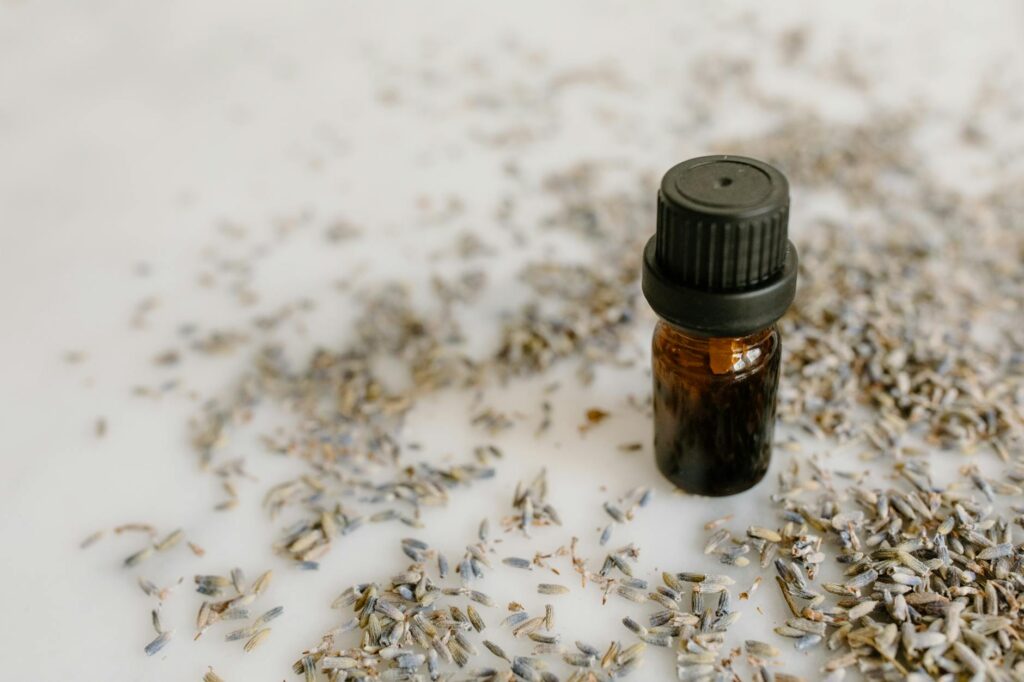
Is Botanical Ingredients – Baobab Oil Safe? Uses, Benefits, and Precautions
Introduction
In recent years, the popularity of botanical ingredients has surged, particularly within the realm of natural skincare and wellness products. Among these, Baobab oil has emerged as a notable contender, celebrated for its various beneficial properties. This article aims to explore Baobab oil, its uses, benefits, and necessary precautions to ensure safe application.
What Is Botanical Ingredients – Baobab Oil?
Baobab oil is derived from the seeds of the Baobab tree (Adansonia digitata), a majestic tree native to Africa, Madagascar, and Australia. The Baobab tree is often referred to as the “Tree of Life” due to its longevity and the plethora of benefits it offers. The oil extracted from its seeds is rich in essential fatty acids, vitamins, and antioxidants, making it a sought-after ingredient in both cosmetic and culinary applications.
The extraction process typically involves cold pressing the seeds, which helps retain the oil’s beneficial properties. Baobab oil is characterized by its light texture and mild, nutty aroma, making it suitable for various applications.
Key Benefits and Properties
Baobab oil boasts a rich composition that contributes to its wide array of benefits:
1. Nutrient-Rich: The oil is abundant in vitamins A, D, E, and F, which are essential for skin health. These vitamins help nourish and repair the skin, promoting a youthful appearance.
2. High in Fatty Acids: Baobab oil contains a significant amount of oleic and linoleic acids. Oleic acid is known for its moisturizing properties, while linoleic acid helps maintain skin barrier function.
3. Antioxidant Properties: The oil is rich in antioxidants, which help neutralize free radicals and reduce oxidative stress on the skin. This can potentially slow down the signs of aging.
4. Anti-inflammatory Effects: Baobab oil may possess anti-inflammatory properties, making it beneficial for soothing irritated or inflamed skin.
5. Emollient Properties: Its emollient nature helps to soften and smooth the skin, making it an excellent choice for dry or rough areas.
Common Uses
Baobab oil is versatile and can be used in various applications:
1. Skincare: It is commonly used as a moisturizer or serum, either alone or as part of a formulation. Its light texture allows for easy absorption, making it suitable for all skin types.
2. Haircare: Baobab oil can be used as a hair treatment to nourish and hydrate dry, damaged hair. It can also help tame frizz and enhance shine.
3. Massage Oil: Due to its smooth consistency, Baobab oil is often used in massage therapy, providing hydration and comfort during the massage process.
4. Cosmetic Formulations: Many cosmetic brands incorporate Baobab oil into their products, including lotions, creams, and lip balms, to enhance their moisturizing properties.
5. Culinary Uses: In some regions, Baobab oil is used as a cooking oil or as a salad dressing, adding a unique flavor and nutritional benefits to dishes.
Aromatherapy Applications
While Baobab oil is not an essential oil, it can play a complementary role in aromatherapy. Here are some ways it can be integrated:
1. Carrier Oil: Baobab oil is an excellent carrier oil for diluting essential oils. Its light texture makes it ideal for topical application, allowing essential oils to be absorbed effectively without irritation.
2. Massage Blends: When combined with essential oils such as lavender or eucalyptus, Baobab oil can enhance the overall experience of a massage by providing hydration and nourishment to the skin.
3. Skin Healing: In aromatherapy practices, Baobab oil can be used in blends for skin healing, particularly in formulations aimed at soothing dry or irritated skin.
Safety Considerations
While Baobab oil is generally considered safe for topical use, there are several precautions to keep in mind:
1. Patch Test: It is advisable to conduct a patch test before using Baobab oil for the first time. Apply a small amount to a discreet area of skin and wait 24 hours to check for any adverse reactions.
2. Allergic Reactions: Individuals with nut allergies should approach Baobab oil with caution. Although it is derived from seeds, those with known allergies should consult a healthcare professional before use.
3. Pregnancy and Nursing: Pregnant or nursing individuals should consult with a healthcare provider before using Baobab oil or any new products.
4. Storage: Proper storage is essential to maintain the oil’s quality. Keep Baobab oil in a cool, dark place, away from direct sunlight and heat.
5. Quality of Product: When purchasing Baobab oil, opt for high-quality, cold-pressed varieties to ensure that the beneficial properties are preserved. Always check for third-party testing or certifications.
Storage and Shelf Life
Baobab oil has a relatively long shelf life, typically lasting between 12 to 24 months when stored properly. To maximize its longevity:
1. Keep it Cool: Store the oil in a cool, dark place, such as a refrigerator, to slow down oxidation.
2. Seal Tightly: Ensure the bottle is tightly sealed to prevent exposure to air, which can degrade the oil.
3. Avoid Contamination: Use clean utensils when dispensing the oil to avoid contamination.
Frequently Asked Questions
1. Can Baobab oil be used on all skin types?
Yes, Baobab oil is generally suitable for all skin types due to its light texture and nourishing properties. However, individual reactions may vary.
2. Is Baobab oil safe for children?
Baobab oil is typically safe for children, but it is advisable to consult with a healthcare provider before use, especially for very young children.
3. How can I incorporate Baobab oil into my skincare routine?
Baobab oil can be applied directly to the skin as a moisturizer, added to your favorite creams or lotions, or used as a carrier oil for essential oils.
4. Is Baobab oil comedogenic?
Baobab oil is considered non-comedogenic, meaning it is unlikely to clog pores. However, individuals with acne-prone skin should monitor their skin’s reaction when using any new product.
5. Can Baobab oil be used for cooking?
Yes, in some cultures, Baobab oil is used as a cooking oil or salad dressing. It is advisable to choose food-grade Baobab oil for culinary uses.
Conclusion
Baobab oil stands out as a remarkable botanical ingredient, celebrated for its numerous benefits and versatility across various applications. Its rich composition of vitamins, fatty acids, and antioxidants makes it a valuable addition to skincare, haircare, and culinary practices. While generally safe for use, it is essential to observe proper precautions and conduct a patch test to ensure compatibility with individual skin types. By understanding its properties and applications, one can harness the full potential of Baobab oil in a safe and effective manner.