
Is Botanical Ingredients – Camellia Oil Safe? Uses, Benefits and Precautions
Introduction
In recent years, the popularity of botanical ingredients in skincare and wellness products has surged, with a particular focus on oils derived from various plants. One such oil that has garnered attention is Camellia oil, extracted from the seeds of the Camellia plant, specifically Camellia oleifera and Camellia japonica. Known for its rich composition and numerous benefits, this oil has become a staple in both cosmetic formulations and aromatherapy practices. However, with its growing popularity, questions regarding its safety and efficacy have arisen. This article aims to provide a comprehensive overview of Camellia oil, including its uses, benefits, and safety considerations.
What Is Botanical Ingredients – Camellia Oil?
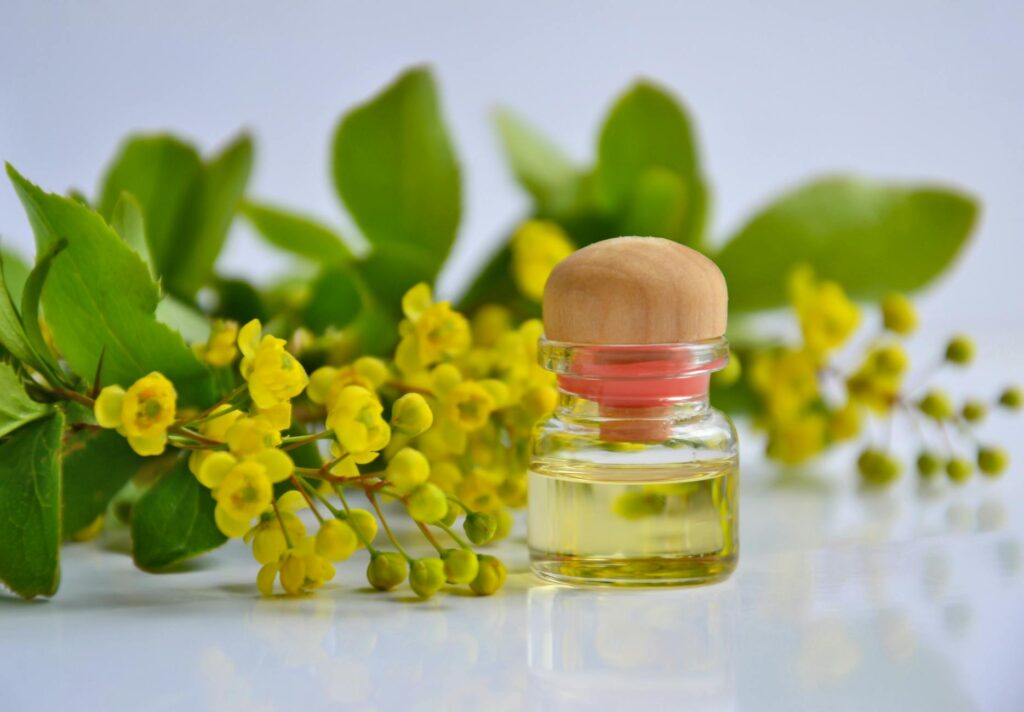
Camellia oil is a lightweight, non-comedogenic oil derived from the seeds of the Camellia plant. The most commonly used species for oil extraction are Camellia oleifera, often referred to as tea seed oil, and Camellia japonica, known for its use in traditional Asian beauty practices. The oil is characterized by its pale yellow color and has a mild, pleasant aroma.
Rich in fatty acids, vitamins, and antioxidants, Camellia oil has a long history of use in Asian cultures for skincare and hair care. Its chemical composition includes oleic acid, linoleic acid, and palmitic acid, making it an excellent emollient and moisturizer. In addition to its cosmetic uses, Camellia oil is also utilized in culinary applications, particularly in Asian cuisines.
Key Benefits and Properties
Camellia oil possesses numerous beneficial properties that make it an attractive choice for both cosmetic and therapeutic applications:
1. Moisturizing: Its high oleic acid content allows for deep penetration into the skin, providing hydration without clogging pores. This makes it suitable for various skin types, including oily and acne-prone skin.
2. Antioxidant: The presence of antioxidants, such as vitamins A, B, D, and E, helps combat oxidative stress and may protect the skin from environmental damage.
3. Anti-inflammatory: Camellia oil contains compounds that can soothe irritated skin, making it beneficial for conditions such as eczema or dermatitis.
4. Hair Care: The oil is known to nourish and strengthen hair, reducing breakage and promoting a healthy shine. It can also help with scalp health by moisturizing and soothing dryness.
5. Anti-aging: Regular use of Camellia oil may improve skin elasticity and reduce the appearance of fine lines and wrinkles, contributing to a more youthful appearance.
Common Uses
Camellia oil is versatile in its applications. Here are some of the most common uses:
- Skincare: Used as a moisturizer, makeup remover, or ingredient in lotions and creams.
- Hair care: Applied as a leave-in conditioner, hair serum, or treatment for dry, damaged hair.
- Massage oil: Often blended with essential oils for aromatherapy and relaxation.
- Culinary: In some cultures, Camellia oil is utilized in cooking, adding flavor to dishes.
- Carrier Oil: Due to its lightweight texture, Camellia oil is an excellent carrier oil that can dilute essential oils for topical application.
- Relaxation: When used in massage, its soothing properties can help alleviate muscle tension and promote relaxation.
Aromatherapy Applications
In aromatherapy, Camellia oil can serve multiple purposes. While it is not typically used for its scent, it is often blended with essential oils for a synergistic effect. When combined with essential oils like lavender or eucalyptus, it can enhance the overall experience of relaxation and stress relief during aromatherapy sessions.
Safety Considerations
While Camellia oil is generally considered safe for topical use, certain precautions should be observed:
1. Patch Test: Individuals should conduct a patch test before full application to check for potential allergic reactions. Apply a small amount of the oil on a discreet area of skin and wait 24 hours to observe any adverse reactions.
2. Avoiding Eye Contact: Camellia oil should be kept away from the eyes, as it may cause irritation.
3. Pregnancy and Nursing: While Camellia oil is typically safe, pregnant and nursing individuals should consult with a healthcare provider before use.
4. Storage: Proper storage is crucial to maintain the oil’s integrity. Keep it in a cool, dark place away from direct sunlight to prevent oxidation.
5. Consultation: Those with specific skin conditions or allergies should seek advice from a dermatologist or a qualified professional before incorporating Camellia oil into their routine.
Storage and Shelf Life
To ensure the longevity and efficacy of Camellia oil, proper storage is essential. The oil should be kept in an airtight container, preferably dark glass, to protect it from light and air exposure. When stored correctly, Camellia oil has a shelf life of approximately 12 to 18 months. After this period, the oil may become rancid, losing its beneficial properties.
Signs that Camellia oil has gone bad include a rancid smell, discoloration, or a change in texture. If any of these signs are observed, it is advisable to discard the oil.
Frequently Asked Questions
1. Can Camellia oil be used on all skin types?
Yes, Camellia oil is lightweight and non-comedogenic, making it suitable for various skin types, including oily, dry, and sensitive skin.
2. Is Camellia oil safe for cooking?
Yes, Camellia oil is safe for culinary use and is often used in Asian cooking. However, ensure that you are using food-grade oil.
3. How do I incorporate Camellia oil into my skincare routine?
Camellia oil can be applied directly to the skin as a moisturizer or mixed with other skincare products. It can also be used as a makeup remover or added to bath water for a luxurious soak.
4. Can Camellia oil help with acne?
While Camellia oil is non-comedogenic and may not clog pores, individual experiences may vary. It is advisable to conduct a patch test first, especially for acne-prone skin.
5. How should I mix essential oils with Camellia oil for aromatherapy?
A typical dilution ratio is 2-3 drops of essential oil per teaspoon of Camellia oil. Adjust the ratio based on personal preference and the specific essential oil being used.
Conclusion
Camellia oil is a versatile botanical ingredient with a rich history of use in skincare, hair care, and culinary applications. Its numerous benefits, including moisturizing, antioxidant, and anti-inflammatory properties, make it a valuable addition to various products. While generally safe for use, it is important to take precautions and store the oil properly to maintain its efficacy. By understanding its properties and applications, individuals can make informed choices about incorporating Camellia oil into their daily routines.