
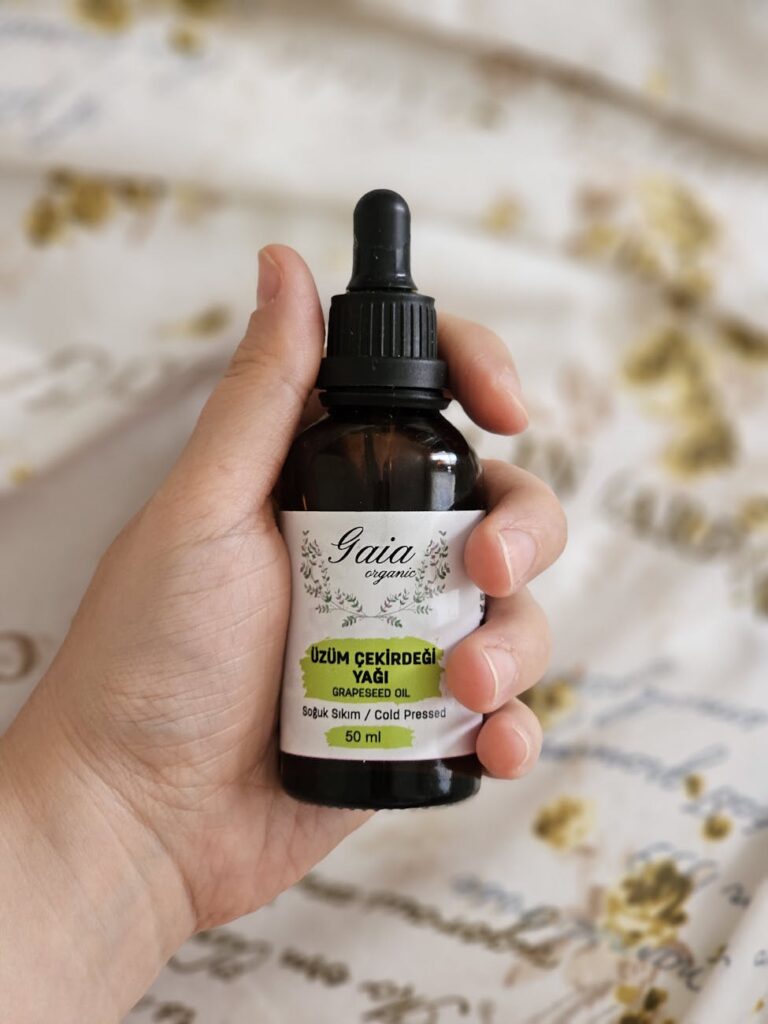
Is Botanical Ingredients – Grapeseed Oil Safe? Uses, Benefits and Precautions
Introduction
Grapeseed oil, derived from the seeds of grapes, is a versatile and popular botanical ingredient in various domains, including culinary arts, skincare, and aromatherapy. Known for its light texture and high smoke point, it has gained prominence in both home cooking and cosmetic formulations. This article delves into the properties, uses, benefits, and precautions associated with grapeseed oil, providing a comprehensive overview for those interested in incorporating it into their routines.
What Is Botanical Ingredients – Grapeseed Oil?
Grapeseed oil is extracted from the seeds of Vitis vinifera, a plant commonly associated with winemaking. The oil is obtained through a process of cold-pressing or solvent extraction. It is characterized by its pale green to yellow color and light, neutral fragrance, making it an excellent carrier oil in aromatherapy and skincare applications. Rich in essential fatty acids, antioxidants, and vitamins, grapeseed oil has become a staple in the world of natural products.
Key Benefits and Properties
Grapeseed oil boasts a range of beneficial properties, making it a sought-after ingredient in various formulations:
1. Nutrient-Rich Composition
Grapeseed oil is abundant in polyunsaturated fats, primarily linoleic acid (omega-6), which is essential for maintaining healthy skin and cellular function. It also contains vitamin E, an antioxidant that helps protect cells from oxidative stress.
2. Lightweight and Non-Greasy
With its light texture, grapeseed oil absorbs quickly into the skin without leaving a greasy residue. This property makes it an excellent choice for those with oily or combination skin.
3. Antioxidant Properties
The oil is rich in proanthocyanidins, a class of antioxidants that can help neutralize free radicals, potentially reducing the signs of aging and supporting overall skin health.
4. Anti-Inflammatory Benefits
Grapeseed oil has been noted for its anti-inflammatory properties, which may help soothe irritation and redness in the skin.
Common Uses
Grapeseed oil is a multifunctional ingredient that can be utilized in various applications:
1. Culinary Uses
Due to its high smoke point (approximately 420°F or 216°C), grapeseed oil is suitable for frying, sautéing, and baking. Its neutral flavor makes it an ideal base for salad dressings and marinades.
2. Skincare Applications
Grapeseed oil is often used in skincare products such as moisturizers, serums, and lotions. Its lightweight nature makes it suitable for all skin types, including sensitive skin.
3. Hair Care
As a hair treatment, grapeseed oil can help nourish and strengthen hair, improve shine, and reduce frizz. It can be applied directly to the hair or incorporated into hair care formulations.
4. Massage Oil
Due to its smooth texture and skin-absorbing properties, grapeseed oil is a popular choice for massage oils. It allows for easy application and glide during massage sessions.
Aromatherapy Applications
In the realm of aromatherapy, grapeseed oil is primarily utilized as a carrier oil. Its neutral scent allows essential oils to shine while providing additional benefits to the skin.
1. Blending with Essential Oils
Grapeseed oil can dilute essential oils, making them safe for topical application. It is often combined with various essential oils such as lavender, eucalyptus, and tea tree for enhanced therapeutic effects.
2. Skin Nourishment
When used in aromatherapy blends, grapeseed oil can support skin health and hydration, making it a valuable addition to recipes for facial serums and body oils.
3. Diffusion
While not typically used in diffusers due to its lack of strong aromatic properties, grapeseed oil can be combined with more fragrant essential oils to create a balanced blend for inhalation.
Safety Considerations
While grapeseed oil is generally considered safe for most individuals, it is essential to observe specific precautions:
1. Allergies
Some individuals may have allergies to grape products. It is advisable to conduct a patch test before applying grapeseed oil to larger areas of the skin. If signs of irritation or allergic reaction occur, discontinue use immediately.
2. Quality
Ensure that grapeseed oil is of high quality, preferably cold-pressed and organic. Lower-quality oils may contain solvents or additives, which can diminish their beneficial properties and pose health risks.
3. Storage
Improper storage can lead to oxidation and rancidity. Always store grapeseed oil in a cool, dark place, preferably in a dark glass bottle to protect it from light and heat.
4. Usage Limitations
While grapeseed oil is generally safe for topical use and consumption, it should not be used as a sole remedy for medical conditions. Always consult with a healthcare provider for specific health concerns.
Storage and Shelf Life
Proper storage is crucial to maintaining the quality of grapeseed oil:
1. Ideal Conditions
Store grapeseed oil in a cool, dark place, away from direct sunlight and heat sources. A pantry or a refrigerator is often suitable.
2. Shelf Life
When stored correctly, grapeseed oil typically has a shelf life of up to 12 months. However, it is advisable to check for signs of rancidity—such as off smells or color changes—before use.
Frequently Asked Questions
1. Can grapeseed oil be used for cooking?
Yes, grapeseed oil is suitable for cooking due to its high smoke point and neutral flavor. It can be used in various cooking methods, including frying and baking.
2. Is grapeseed oil safe for all skin types?
Grapeseed oil is generally safe for all skin types, including sensitive skin, due to its lightweight and non-comedogenic properties. However, individual reactions can vary.
3. Can grapeseed oil be used as a carrier oil for essential oils?
Absolutely! Grapeseed oil is an excellent carrier oil for diluting essential oils for topical application.
4. Does grapeseed oil have a strong scent?
Grapeseed oil has a light, neutral scent, which makes it an ideal base for blending with more aromatic essential oils.
5. How can I tell if my grapeseed oil has gone bad?
Signs of rancidity include an off or sour smell, changes in color, or a thickened texture. If you notice any of these signs, it is best to discard the oil.
Conclusion
Grapeseed oil is a versatile and beneficial botanical ingredient that has found its place in culinary arts, skincare, and aromatherapy. With its light texture, nutrient-rich composition, and numerous applications, it stands out as a valuable addition to natural wellness routines. However, as with any botanical product, it is essential to understand its properties, uses, and safety considerations to ensure optimal benefits. By following the guidelines outlined in this article, individuals can confidently incorporate grapeseed oil into their daily lives, enjoying its myriad advantages while remaining mindful of safety.