
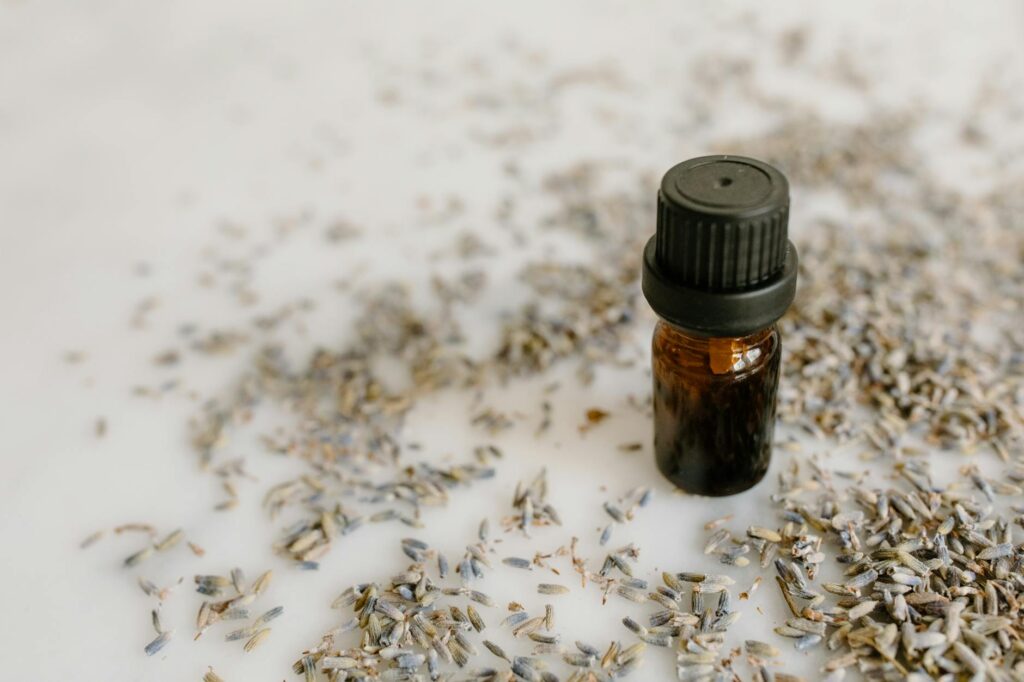
Is Botanical Ingredients – Jojoba Oil Safe? Uses, Benefits and Precautions
Introduction
Jojoba oil, derived from the seeds of the Simmondsia chinensis plant, is a versatile botanical ingredient that has gained immense popularity in cosmetics, skincare, and aromatherapy. Known for its moisturizing properties and compatibility with various skin types, jojoba oil has become a staple in many beauty regimes. This article explores the safety, uses, benefits, and precautions associated with jojoba oil, providing a comprehensive overview for those interested in incorporating this botanical ingredient into their routines.
What Is Botanical Ingredients – Jojoba Oil?
Jojoba oil is a liquid wax ester, distinct from traditional vegetable oils. It is extracted through a cold-pressing process, preserving its natural properties and nutrients. The oil closely resembles human sebum, making it an excellent emollient that can penetrate the skin without leaving a greasy residue. Originating from the arid regions of North America, particularly the southwestern United States, jojoba oil has been utilized by indigenous cultures for centuries for its nourishing and protective qualities.
Key Benefits and Properties
Jojoba oil is renowned for its unique composition, which contributes to its numerous benefits:
1. Moisturizing: Jojoba oil is an effective moisturizer for both skin and hair. Its emollient properties help to lock in moisture, making it suitable for dry or dehydrated skin.
2. Non-Comedogenic: Unlike many oils, jojoba oil does not clog pores, making it suitable for acne-prone skin.
3. Antioxidant Properties: Rich in Vitamin E and other antioxidants, jojoba oil helps to protect the skin from oxidative stress and environmental damage.
4. Anti-Inflammatory: The oil has anti-inflammatory properties that can help soothe irritated skin and reduce redness.
5. Balancing: Jojoba oil can help regulate oil production in the skin, making it beneficial for both oily and dry skin types.
6. Rich in Nutrients: It contains essential fatty acids, vitamins, and minerals that nourish the skin and hair.
Common Uses
Jojoba oil is valued for its versatility and can be used in various applications:
1. Skincare: Jojoba oil can be applied directly to the skin as a moisturizer or added to creams and lotions. It is also used in formulations for acne treatment, anti-aging products, and makeup removers.
2. Hair Care: This oil can be used as a hair conditioner, scalp treatment, or styling product. It helps to add shine, reduce frizz, and nourish the scalp.
3. Massage Oil: Due to its smooth texture and skin-friendly properties, jojoba oil is often used as a base for massage oils.
4. Lip Care: Jojoba oil can be found in lip balms and glosses, providing hydration and protection.
5. Carrier Oil: Often used in aromatherapy, jojoba oil serves as an excellent carrier oil for diluting essential oils before topical application.
Aromatherapy Applications
In aromatherapy, jojoba oil is frequently used as a carrier oil due to its neutral scent and skin compatibility. It can dilute essential oils, ensuring safe topical application. Here are some common aromatherapy uses:
1. Blending with Essential Oils: Jojoba oil can be combined with various essential oils, such as lavender, tea tree, or eucalyptus, to create personalized blends for relaxation, skin care, or invigorating experiences.
2. Massage: When used in massage, jojoba oil can enhance the therapeutic effects of essential oils while providing a smooth glide.
3. Skin Treatments: Jojoba oil can be used in facial oils or serums, allowing for the incorporation of essential oils that target specific skin concerns.
4. Diffusion: While jojoba oil is not typically diffused, it can be used in oil-based blends for topical application after being mixed with essential oils.
Safety Considerations
While jojoba oil is generally regarded as safe for most people, certain precautions should be considered:
1. Allergic Reactions: Although rare, some individuals may be allergic to jojoba oil. It is advisable to perform a patch test before extensive use, especially for those with sensitive skin.
2. Pregnancy and Nursing: There is limited research on the effects of jojoba oil during pregnancy or nursing. Consulting a healthcare professional is recommended for those considering its use in these circumstances.
3. Interactions with Medications: Jojoba oil is not known to interact with medications; however, individuals on specific treatments should consult a healthcare provider before using any new products.
4. Quality of Product: Ensure that the jojoba oil is cold-pressed and organic, if possible. This ensures that the oil retains its beneficial properties and is free from harmful additives.
Storage and Shelf Life
To maintain the quality and efficacy of jojoba oil:
1. Storage: Store jojoba oil in a cool, dark place, away from direct sunlight and heat, which can degrade its properties. A tightly sealed glass container is ideal.
2. Shelf Life: Jojoba oil has a long shelf life, often lasting up to 2-3 years if stored properly. However, it is advisable to check for any changes in smell or appearance before use, as this can indicate spoilage.
Frequently Asked Questions
1. Can jojoba oil be used on all skin types?
Yes, jojoba oil is suitable for all skin types, including oily, dry, and sensitive skin. Its non-comedogenic nature makes it particularly beneficial for acne-prone skin.
2. Is jojoba oil safe for facial use?
Jojoba oil is safe for facial use and is often included in skincare products. However, it is recommended to perform a patch test first to rule out any allergic reactions.
3. Can jojoba oil help with acne?
Jojoba oil can help balance oil production and may soothe inflammation, making it beneficial for those with acne-prone skin. However, individual results may vary.
4. How can I incorporate jojoba oil into my skincare routine?
Jojoba oil can be used as a standalone moisturizer, added to creams, or combined with essential oils in serums. It can also be used as a makeup remover or in face masks.
5. Is jojoba oil vegan?
Yes, jojoba oil is a plant-based product and is considered vegan.
Conclusion
Jojoba oil is a remarkable botanical ingredient with a plethora of benefits and applications. Its moisturizing, anti-inflammatory, and balancing properties make it a valuable addition to skincare, haircare, and aromatherapy practices. While generally safe for most individuals, it is essential to consider personal sensitivities and consult with a healthcare professional if uncertain. With proper storage and usage, jojoba oil can be a long-lasting and effective component of holistic wellness.