
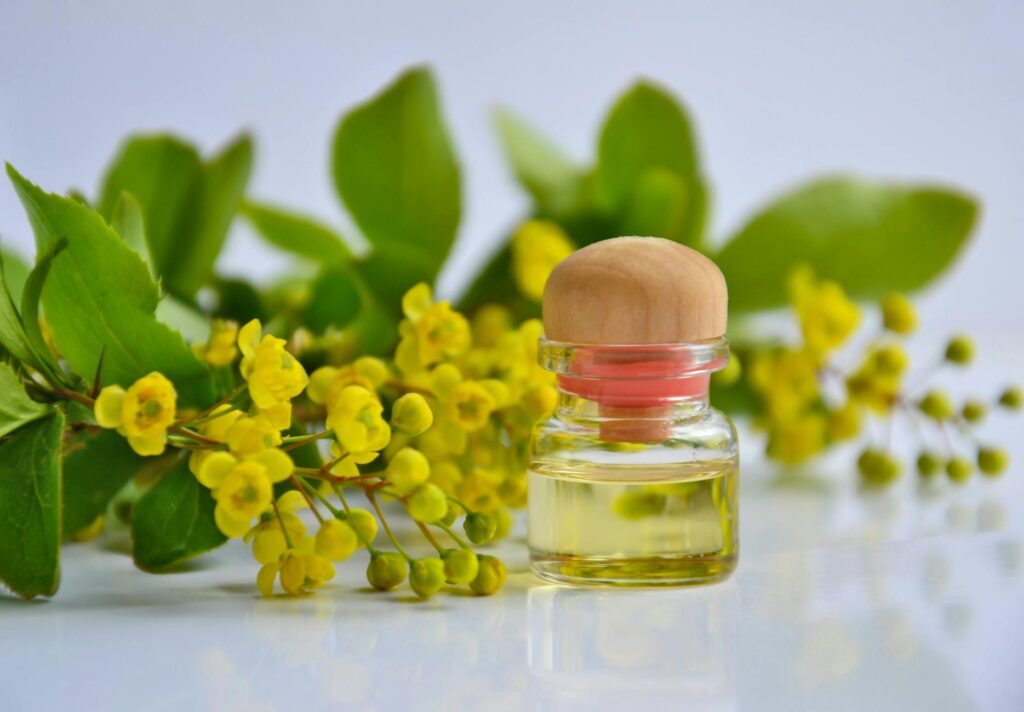
Is Botanical Ingredients – Maracuja Oil Safe? Uses, Benefits and Precautions
Introduction
Maracuja oil, derived from the seeds of the passion fruit (Passiflora edulis), is an increasingly popular botanical ingredient in cosmetic formulations, aromatherapy, and holistic wellness practices. Known for its rich nutrient profile and light, non-greasy texture, maracuja oil has captivated the attention of beauty enthusiasts and health-conscious individuals alike. However, as with any botanical ingredient, understanding its properties, uses, benefits, and safety considerations is essential for informed consumption and application.
What Is Botanical Ingredients – Maracuja Oil?
Maracuja oil is extracted from the seeds of the passion fruit, a tropical fruit native to South America. The extraction process typically involves cold pressing the seeds, which preserves the oil’s beneficial properties. This oil is characterized by its light yellow color and slightly nutty aroma, making it an appealing choice for various applications. Rich in essential fatty acids, vitamins, and antioxidants, maracuja oil serves as a versatile ingredient in cosmetic and therapeutic formulations.
Key Benefits and Properties
Nutrient-Rich Profile
Maracuja oil is abundant in essential fatty acids, particularly linoleic acid and oleic acid. These fatty acids contribute to skin hydration and help maintain the skin’s natural barrier. Additionally, the oil contains vitamins A and C, which are known for their antioxidant properties.
Moisturizing Qualities
One of the standout features of maracuja oil is its ability to hydrate the skin without leaving a greasy residue. Its lightweight texture allows for quick absorption, making it suitable for all skin types, including oily and acne-prone skin.
Anti-Inflammatory Properties
Research suggests that maracuja oil possesses anti-inflammatory properties, which may help soothe irritated skin and reduce redness. This quality makes it a valuable ingredient in formulations aimed at calming sensitive skin.
Antioxidant Protection
The presence of antioxidants in maracuja oil helps combat oxidative stress caused by environmental factors such as pollution and UV radiation. By neutralizing free radicals, the oil may contribute to healthier, more youthful-looking skin.
Common Uses
Skin Care
Maracuja oil is often utilized in various skin care products, including moisturizers, serums, and facial oils. Its hydrating properties make it an excellent choice for dry and mature skin, while its non-comedogenic nature means it won’t clog pores, making it suitable for oily and combination skin.
Hair Care
In hair care formulations, maracuja oil is praised for its ability to nourish and hydrate hair, promoting shine and manageability. It can be found in conditioners, hair masks, and styling products.
Body Care
Many body creams and lotions incorporate maracuja oil for its moisturizing and soothing benefits. It can help alleviate dryness and improve the skin’s texture.
Culinary Use
While less common, maracuja oil can also be used in culinary applications. It is sometimes added to salad dressings or drizzled over dishes for a unique flavor profile. However, it is important to ensure that the oil is labeled as food-grade if used in cooking.
Aromatherapy Applications
In the realm of aromatherapy, maracuja oil is celebrated not only for its physical benefits but also for its calming aroma. The oil can be integrated into diffusers, massage oils, and bath products to enhance relaxation and promote emotional well-being.
Relaxation and Stress Relief
The gentle, soothing scent of maracuja oil may help create a calming atmosphere, making it a popular choice for stress relief and relaxation. It can be blended with other essential oils, such as lavender or chamomile, to enhance its calming effects.
Mood Enhancement
Some users find that the aroma of maracuja oil can uplift their mood and create a sense of well-being. When used in a diffuser or added to personal inhalers, it may contribute to a more positive emotional state.
Safety Considerations
Skin Sensitivity
While maracuja oil is generally considered safe for topical use, it is always recommended to conduct a patch test before applying it to larger areas of the skin. This is especially important for individuals with sensitive skin or allergies.
Pregnancy and Nursing
Though maracuja oil is regarded as safe for most users, pregnant or nursing individuals should consult with a healthcare professional before incorporating new oils or supplements into their routine.
Interaction with Other Products
When using maracuja oil in combination with other skin care products, particularly those containing active ingredients like retinoids or acids, it is advisable to consult a dermatologist. This can help prevent potential irritation or adverse reactions.
Storage and Shelf Life
Proper storage of maracuja oil is essential for maintaining its quality. It should be kept in a cool, dark place, preferably in a glass container, to protect it from light and heat. When stored correctly, maracuja oil typically has a shelf life of about 1 to 2 years.
Frequently Asked Questions
1. Is maracuja oil suitable for all skin types?
Yes, maracuja oil is generally suitable for all skin types. Its lightweight texture makes it particularly beneficial for oily and acne-prone skin, while its moisturizing properties are advantageous for dry and mature skin.
2. Can maracuja oil be used on the face?
Absolutely! Maracuja oil is commonly used in facial oils and serums due to its hydrating and nourishing properties. Just remember to perform a patch test to check for any potential sensitivities.
3. How can I incorporate maracuja oil into my skincare routine?
You can incorporate maracuja oil by applying it directly to your skin after cleansing, or mixing a few drops into your moisturizer or serum for an added boost of hydration.
4. Can maracuja oil be ingested?
While maracuja oil can be used in culinary applications, it is crucial to ensure that you are using a food-grade oil. Always consult the product label and consider seeking advice from a healthcare professional before ingesting any new oil.
5. Is maracuja oil safe for children?
While maracuja oil is generally considered safe, it is advisable to consult with a pediatrician before using it on children, especially if they have sensitive skin or allergies.
Conclusion
Maracuja oil is a versatile botanical ingredient that offers a range of benefits for skin and hair care, as well as applications in aromatherapy. With its rich nutrient profile and moisturizing qualities, it has become a sought-after ingredient in many formulations. However, as with any botanical oil, understanding its properties, uses, and safety considerations is crucial for maximizing its benefits. With proper knowledge and care, maracuja oil can be a valuable addition to your wellness and beauty regimen.