
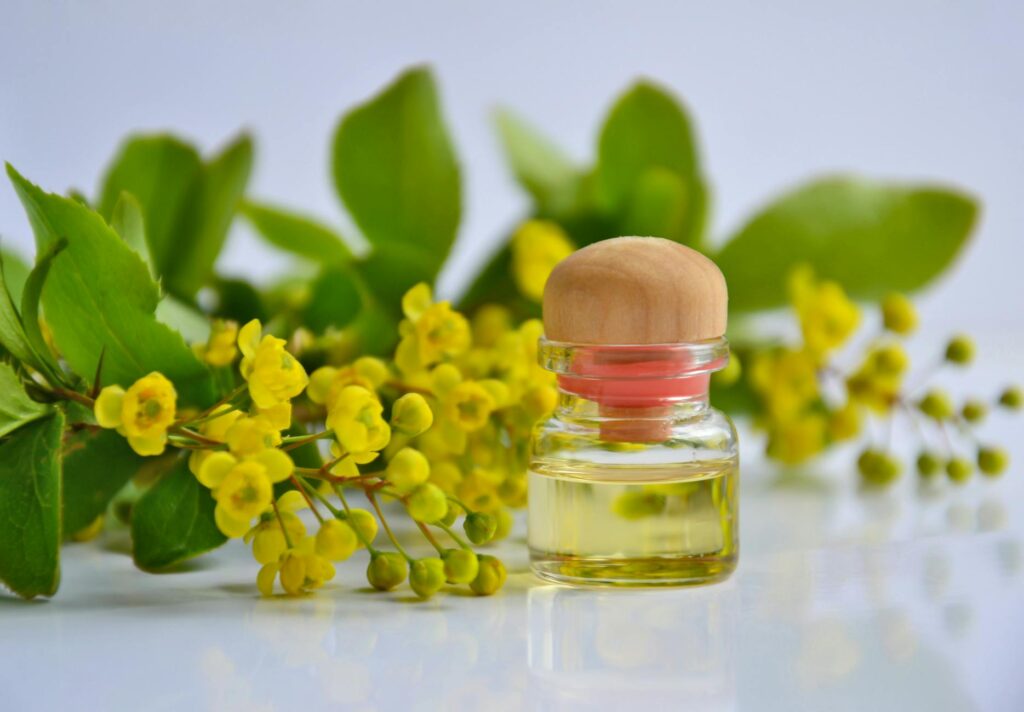
Is Botanical Ingredients – Neem Oil Safe? Uses, Benefits and Precautions
Introduction
In the realm of natural remedies and essential oils, neem oil has garnered attention for its diverse applications and potential benefits. Derived from the seeds of the neem tree (Azadirachta indica), native to the Indian subcontinent, neem oil has been used for centuries in traditional medicine, agriculture, and personal care. This article delves into the properties, benefits, common uses, and safety considerations associated with neem oil, providing a comprehensive overview for those interested in its applications.
What Is Botanical Ingredients – Neem Oil?
Neem oil is a vegetable oil extracted from the fruits and seeds of the neem tree. The oil is typically cold-pressed, which helps retain its beneficial compounds. The neem tree, often referred to as the “village pharmacy,” is revered in Ayurvedic medicine for its therapeutic properties. Neem oil has a distinctive, pungent odor and a thick consistency, making it a unique ingredient in various formulations.
The oil is rich in essential fatty acids, antioxidants, and numerous active compounds, including azadirachtin, nimbidin, and nimbin, which contribute to its efficacy and versatility in numerous applications.
Key Benefits and Properties
Neem oil boasts a variety of properties that make it beneficial for both health and beauty applications:
1. Antimicrobial Properties: Neem oil is known for its ability to combat bacteria, fungi, and viruses. This makes it effective in treating skin infections and preventing the growth of harmful microorganisms.
2. Anti-inflammatory Effects: The oil has anti-inflammatory properties that can help soothe irritated skin and reduce redness, making it useful for conditions like eczema and psoriasis.
3. Insect Repellent: Neem oil is widely used as a natural insect repellent. Its compounds disrupt the life cycle of pests and deter them from feeding on plants.
4. Moisturizing: Rich in fatty acids, neem oil deeply moisturizes and nourishes the skin, making it beneficial for dry or dehydrated skin types.
5. Antioxidant Activity: The antioxidants present in neem oil may help protect the skin from oxidative damage, a contributing factor in aging and skin conditions.
Common Uses
Neem oil can be utilized in various ways due to its versatile nature. Here are some common applications:
1. Skincare: Neem oil is often added to creams, lotions, and serums for its moisturizing and healing properties. It is particularly effective in treating acne and blemishes due to its antibacterial and anti-inflammatory effects.
2. Hair Care: Many shampoos and conditioners incorporate neem oil for its ability to combat dandruff, promote scalp health, and strengthen hair.
3. Natural Insecticide: In agriculture, neem oil serves as a natural pesticide to protect crops from insects and pests without harming beneficial organisms.
4. Oral Care: Some dental products include neem oil due to its antimicrobial properties, which can help maintain oral hygiene.
5. Massage Oil: When mixed with a carrier oil, neem oil can be used in massage therapy to relieve muscle tension and promote relaxation.
Aromatherapy Applications
In aromatherapy, neem oil may not be as commonly used as other essential oils, but it can still play a role in holistic practices:
1. Blending: Neem oil can be blended with other essential oils to enhance its therapeutic effects. For example, combining it with lavender or tea tree oil may create a potent formulation for skin issues.
2. Diffusion: While neem oil’s scent is strong and might not be pleasant for everyone, it can still be added in small amounts to a diffuser to utilize its therapeutic properties.
3. Topical Application: When combined with carrier oils, neem oil can be applied to specific areas of the body for targeted relief and relaxation.
Safety Considerations
While neem oil is generally considered safe for topical use, several precautions should be taken:
1. Patch Test: Before applying neem oil to a larger area, it’s advisable to perform a patch test on a small skin area to check for any allergic reactions or sensitivities.
2. Dilution: Neem oil should be diluted with a carrier oil (such as coconut or jojoba oil) before topical application to minimize the risk of irritation.
3. Pregnancy and Breastfeeding: Pregnant and breastfeeding women should consult a healthcare professional before using neem oil, as its effects in these situations are not fully understood.
4. Children: Neem oil should be used with caution around children. Always consult a pediatrician before application, particularly for infants and toddlers.
5. Ingestion: Neem oil is not intended for internal use unless specifically formulated for that purpose. Ingesting neem oil can lead to adverse effects and should be avoided.
Storage and Shelf Life
To maintain the quality and efficacy of neem oil, proper storage is essential:
- Container: Store neem oil in a dark glass bottle to protect it from light and oxidation.
- Temperature: Keep it in a cool, dry place away from direct sunlight. Avoid exposure to heat, which can degrade the oil’s properties.
- Shelf Life: When stored correctly, neem oil typically has a shelf life of 12 to 18 months. Always check for any changes in smell, color, or consistency before use.
Frequently Asked Questions
1. Is neem oil safe for all skin types?
Neem oil is generally safe for most skin types, but individuals with sensitive skin should perform a patch test to avoid irritation.
2. Can neem oil help with acne?
Yes, neem oil’s antibacterial and anti-inflammatory properties can be beneficial for acne-prone skin, reducing breakouts and promoting healing.
3. How can I use neem oil for dandruff?
Mix a few drops of neem oil with a carrier oil and massage it into the scalp. Leave it on for at least 30 minutes before washing it out with shampoo.
4. Is neem oil safe for pets?
Neem oil can be used on pets to treat skin conditions, but it should be diluted and used sparingly. Always consult a veterinarian before use.
5. Can I use neem oil in my garden?
Yes, neem oil is commonly used as a natural pesticide in gardens to control pests without harming beneficial insects.
Conclusion
Neem oil is a versatile botanical ingredient with a rich history of use in skincare, haircare, and agriculture. Its numerous benefits, ranging from antimicrobial properties to moisturizing effects, make it a valuable addition to natural health and beauty regimens. However, it is crucial to consider safety precautions, particularly regarding skin sensitivity and proper usage. By understanding the applications and benefits of neem oil, individuals can make informed choices about incorporating this remarkable oil into their daily lives.