
Is Botanical Ingredients – Pumpkin Seed Oil Safe? Uses, Benefits and Precautions
Introduction
Pumpkin seed oil, extracted from the seeds of the Cucurbita pepo plant, has garnered attention in various fields, including culinary arts, cosmetics, and alternative medicine. Known for its rich nutrient profile and distinct flavor, this oil also holds significant appeal in the realm of aromatherapy and natural skincare. This article explores the properties, benefits, and safety considerations associated with pumpkin seed oil, providing a comprehensive understanding for those interested in integrating this botanical ingredient into their routines.
What Is Botanical Ingredients – Pumpkin Seed Oil?
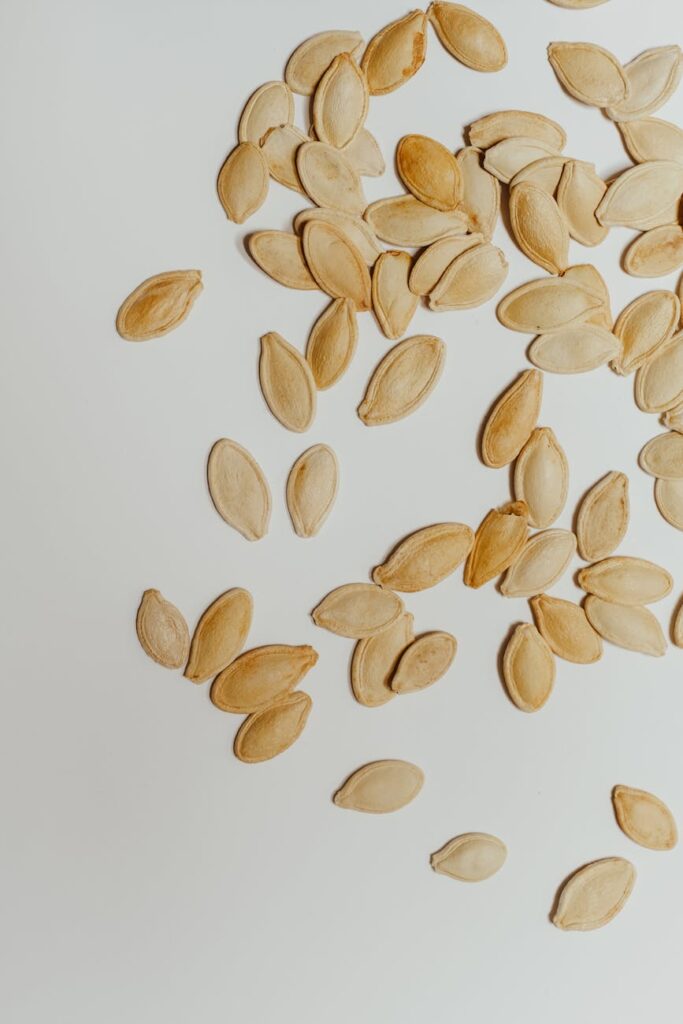
Pumpkin seed oil is derived from the roasted seeds of the pumpkin plant, particularly the Styrian variety, which is known for its high oil content. The extraction process typically involves cold-pressing the seeds, allowing the oil to retain its valuable nutrients, including fatty acids, antioxidants, and vitamins. The oil’s unique greenish hue and nutty flavor make it a versatile ingredient in various applications, from culinary to cosmetic.
Key Benefits and Properties
Nutritional Profile
Pumpkin seed oil is rich in essential fatty acids, particularly omega-3 and omega-6, which are vital for maintaining heart health and supporting overall well-being. Additionally, it contains:
- Vitamin E: A powerful antioxidant that helps combat free radicals.
- Zinc: Important for immune function and skin health.
- Phytosterols: Plant compounds that may support cholesterol levels.
- Magnesium: Essential for numerous biochemical reactions in the body.
- Blending with citrus oils: Pumpkin seed oil can be paired with oils like lemon or orange to create an uplifting and invigorating blend.
- Combining with floral oils: Mixing with lavender or geranium can produce a calming and soothing aroma.
Antioxidant Properties
The oil is abundant in antioxidants, which help protect the body from oxidative stress. This property can be particularly beneficial for maintaining skin health and may contribute to a youthful appearance.
Anti-Inflammatory Effects
Some studies suggest that pumpkin seed oil may exhibit anti-inflammatory properties, which could be advantageous in soothing skin irritations and supporting overall health.
Common Uses
Culinary Uses
Pumpkin seed oil is often used as a finishing oil in culinary applications. Its rich, nutty flavor enhances salads, pasta dishes, and roasted vegetables. It can also be drizzled over soups or used as a dip for bread, adding a unique taste while providing nutritional benefits.
Skincare
In the realm of skincare, pumpkin seed oil is valued for its moisturizing properties. It can be found in various cosmetic products, such as lotions, creams, and serums. Its ability to hydrate the skin while providing essential nutrients makes it a popular choice for dry or aging skin.
Hair Care
Pumpkin seed oil is also utilized in hair care products. Its nourishing properties may help improve hair texture and shine, while its antioxidant content can promote a healthy scalp.
Aromatherapy Applications
While pumpkin seed oil is not traditionally used as a primary essential oil in aromatherapy, it can be incorporated into blends for its unique properties. Its nutty scent can add depth to aromatherapy formulations, and when combined with other essential oils, it can enhance the overall experience. For example:
Safety Considerations
Allergies
Individuals with allergies to pumpkin seeds or related plants should exercise caution when using pumpkin seed oil. It is advisable to perform a patch test before applying it to the skin to check for any allergic reactions.
Skin Sensitivity
While pumpkin seed oil is generally considered safe for topical application, it is essential to consider individual skin types. Those with sensitive skin may experience irritation, and it is recommended to dilute the oil with a carrier oil before use.
Ingestion
If considering pumpkin seed oil for culinary use, ensure it is sourced from reputable suppliers. Although it is generally regarded as safe for consumption, moderation is key, as excessive intake of any oil can lead to digestive discomfort.
Pregnancy and Nursing
Pregnant or nursing individuals should consult with a healthcare professional before incorporating new oils or supplements into their diet or skincare routine. Although pumpkin seed oil is natural, ensuring safety during these sensitive periods is crucial.
Storage and Shelf Life
To maintain the quality of pumpkin seed oil, it should be stored in a cool, dark place, away from direct sunlight and heat sources. When properly stored in a sealed container, pumpkin seed oil typically has a shelf life of around 12 to 24 months. It is advisable to check for any off odors or changes in color before use, as these can indicate spoilage.
Frequently Asked Questions
1. Can pumpkin seed oil be used for cooking?
Yes, pumpkin seed oil is suitable for culinary use, particularly as a finishing oil. It is not recommended for high-heat cooking methods, as excessive heat can degrade its nutritional properties.
2. Is pumpkin seed oil comedogenic?
Pumpkin seed oil has a low comedogenic rating, meaning it is less likely to clog pores. However, individual reactions may vary, and those with acne-prone skin should monitor their skin’s response.
3. How can I incorporate pumpkin seed oil into my skincare routine?
Pumpkin seed oil can be used directly on the skin or added to lotions and creams. A few drops can be applied to the face or body, or it can serve as an ingredient in homemade skincare formulations.
4. Are there any contraindications for using pumpkin seed oil?
While pumpkin seed oil is generally safe, individuals with known allergies to pumpkin seeds should avoid using it. Additionally, consulting with a healthcare professional is recommended for those with specific health concerns or conditions.
5. Can pumpkin seed oil help with hair growth?
Pumpkin seed oil contains nutrients that support hair health, and some anecdotal evidence suggests it may promote hair growth. However, scientific research is limited, and results may vary among individuals.
Conclusion
Pumpkin seed oil is a versatile botanical ingredient with a rich nutrient profile and a variety of applications in culinary arts, skincare, and aromatherapy. While it is generally regarded as safe, it is essential to consider individual sensitivities and potential allergies. Proper storage and usage can maximize its benefits, making it a valuable addition to anyone’s natural health and wellness regimen. As with any botanical product, understanding its properties and proper use can help ensure a safe and enjoyable experience.