
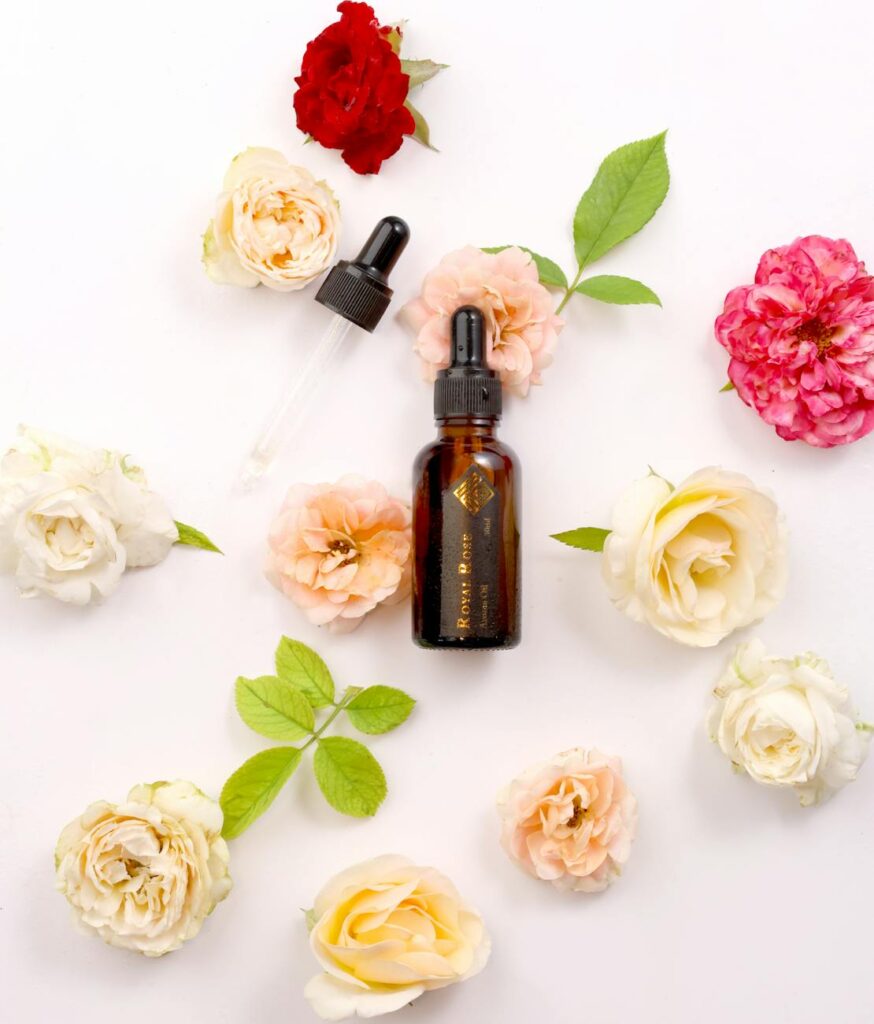
Is Botanical Ingredients – Rose Oil Safe? Uses, Benefits, and Precautions
Introduction
Rose oil, derived from the petals of the Rosa damascena and other species, has been celebrated for centuries for its captivating fragrance and potential therapeutic properties. As a cornerstone of aromatherapy and natural skincare, this oil is often sought after for its multifaceted benefits. However, understanding its safety, applications, and limitations is essential for anyone considering incorporating rose oil into their wellness routine. This article aims to provide a comprehensive overview of rose oil, exploring its uses, benefits, precautions, and more.
What Is Botanical Ingredients – Rose Oil?
Rose oil is primarily extracted through steam distillation or solvent extraction methods from the petals of various rose species, with Rosa damascena being the most renowned. The oil possesses a rich, floral aroma characterized by its sweet and romantic scent, making it a popular choice in perfumery and cosmetics.
There are two main types of rose oil:
1. Rose Otto (Steam Distilled): This is the purest form of rose oil, known for its high quality and potency. It typically has a higher price point due to the large quantity of rose petals required for production.
2. Rose Absolute (Solvent Extracted): While it retains the fragrance profile of rose oil, rose absolute is often less costly and may contain residual solvents from the extraction process.
Both forms of rose oil contain a complex array of chemical compounds, including terpenes, alcohols, and esters, which contribute to their therapeutic properties.
Key Benefits and Properties
Rose oil is renowned for its diverse range of benefits, which include:
- Mood Enhancement: The aroma of rose oil is often associated with mood-lifting properties. It may help reduce feelings of anxiety and stress, promoting a sense of calm and emotional balance.
- Skin Care: Rose oil is frequently used in skincare products due to its potential anti-inflammatory and antiseptic properties. It may assist in soothing irritated skin and reducing the appearance of scars and blemishes.
- Antioxidant Support: The oil is rich in antioxidants, which can help combat oxidative stress in the body and contribute to overall skin health.
- Hormonal Balance: Some anecdotal evidence suggests that rose oil may support hormonal balance, particularly for women during menstrual cycles.
- Aphrodisiac Qualities: Traditionally, rose oil has been considered an aphrodisiac, often used in perfumes and romantic settings to enhance intimacy.
- Aromatherapy: Used in diffusers or inhalers to promote relaxation and emotional well-being.
- Skincare: Incorporated into creams, serums, and oils for its hydrating and soothing effects.
- Massage: Blended with carrier oils for use in massages, benefiting both the skin and the mind.
- Perfumery: A key ingredient in many fragrances due to its luxurious scent.
- Household Products: Used in candles, soaps, and air fresheners for its delightful aroma.
- Diffusion: Adding a few drops of rose oil to a diffuser can help create a serene atmosphere, making it ideal for meditation, relaxation, or yoga practices.
- Inhalation: Inhaling rose oil directly from the bottle or adding it to a handkerchief can provide immediate emotional support, especially during stressful moments.
- Bathing: A few drops of rose oil in a warm bath can enhance relaxation, turning an ordinary bath into a luxurious experience.
- Massage Blends: When diluted with carrier oils, rose oil can be used in massage therapy to promote relaxation and enhance emotional well-being.
- Dilution: Essential oils should always be diluted with a carrier oil (such as sweet almond oil, jojoba oil, or coconut oil) before applying to the skin to minimize the risk of irritation.
- Patch Test: Conducting a patch test is advisable before using rose oil topically. Apply a small amount of diluted oil to a discreet area of skin and observe for any adverse reactions.
- Pregnancy and Nursing: Pregnant or nursing individuals should consult a qualified healthcare professional before using rose oil, as some essential oils may not be suitable during these periods.
- Allergies and Sensitivities: Individuals with known allergies to roses or related plants should avoid using rose oil. Additionally, those with sensitive skin may experience irritation.
- Consultation: It is always advisable to consult with a qualified aromatherapist or healthcare provider before starting any new essential oil regimen, especially for individuals with pre-existing conditions or those taking medications.
- Dark Glass Bottles: Store rose oil in dark glass containers to protect it from light, which can degrade the oil over time.
- Cool, Dry Place: Keep the oil in a cool, dry environment, away from direct sunlight and heat sources.
- Shelf Life: While rose oil can last for several years if stored properly, it is best used within 1-3 years of opening for optimal effectiveness.
Common Uses
Rose oil’s versatility allows it to be employed in various applications, including:
Aromatherapy Applications
In aromatherapy, rose oil is valued for its ability to influence emotional well-being and create a calming environment. Here are some common applications:
Safety Considerations
While rose oil is generally regarded as safe for topical and aromatic use, there are several key safety considerations to keep in mind:
Storage and Shelf Life
Proper storage is essential for maintaining the integrity and potency of rose oil. Here are some guidelines:
Frequently Asked Questions
1. Is rose oil safe for children?
Rose oil may be used for children, but it is crucial to dilute it adequately and consult a healthcare professional or qualified aromatherapist for guidance on appropriate usage and dilution ratios.
2. Can rose oil be ingested?
Ingesting essential oils, including rose oil, is generally not recommended unless under the guidance of a qualified healthcare provider. Essential oils can be potent and may cause adverse reactions when consumed.
3. How can I incorporate rose oil into my skincare routine?
Rose oil can be added to creams, serums, or diluted with a carrier oil for facial application. It is important to ensure that it is properly diluted to avoid skin irritation.
4. Can rose oil help with anxiety?
While many people find the aroma of rose oil soothing and beneficial for stress relief, individual experiences may vary. It is not a substitute for professional mental health treatment.
5. What is the difference between rose oil and rose water?
Rose oil is a concentrated essential oil extracted from rose petals, while rose water is a byproduct of the distillation process and contains diluted rose oil. Rose water is often used in skincare and culinary applications for its gentle fragrance and hydrating properties.
Conclusion
Rose oil is a cherished botanical ingredient with a rich history and a multitude of applications. Its captivating aroma and potential benefits make it a popular choice in aromatherapy, skincare, and wellness practices. However, it is essential to approach its use with care, ensuring proper dilution and considering individual sensitivities. By understanding the properties and safety considerations of rose oil, individuals can enjoy its many advantages while minimizing potential risks.