
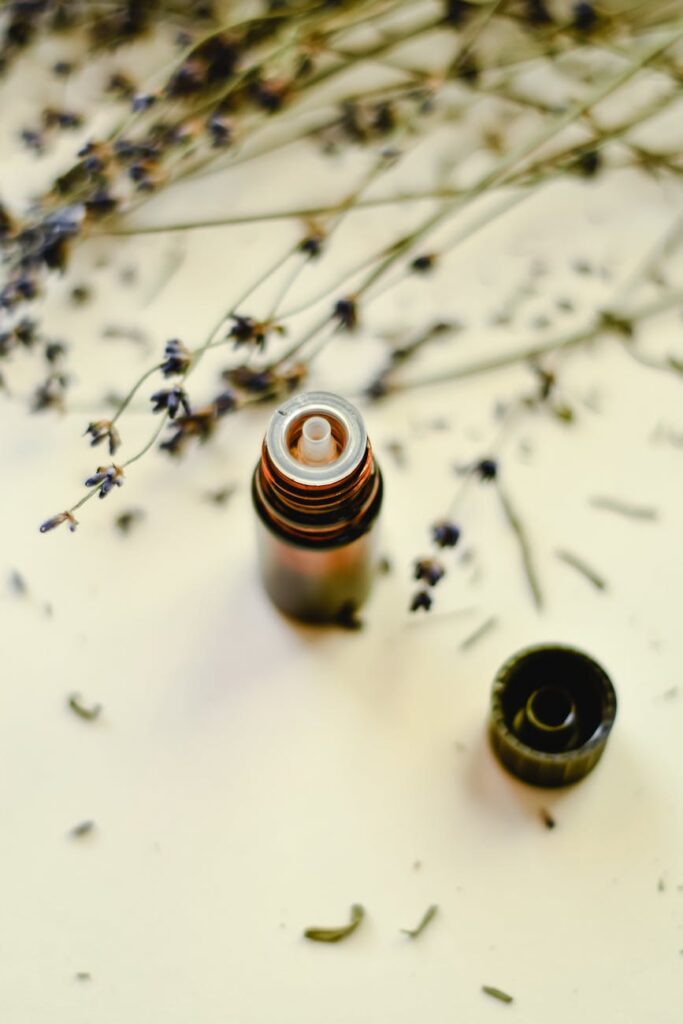
Is Botanical Ingredients – Safflower Oil Safe? Uses, Benefits, and Precautions
Introduction
Safflower oil, derived from the seeds of the safflower plant (Carthamus tinctorius), has garnered attention for its diverse applications in culinary, cosmetic, and therapeutic contexts. As a botanical ingredient, safflower oil is celebrated for its light texture, high smoke point, and rich nutrient profile. This article aims to provide a comprehensive overview of safflower oil, exploring its properties, benefits, common uses, and safety considerations.
What Is Botanical Ingredients – Safflower Oil?
Safflower oil is extracted from the seeds of the safflower plant, a thistle-like flower native to regions of Asia, Africa, and the Middle East. The oil can be obtained through various extraction methods, including cold pressing and chemical extraction. Cold-pressed safflower oil is typically favored for its purity and retention of beneficial compounds.
The oil comes in two main varieties: high-linoleic and high-oleic. High-linoleic safflower oil is rich in polyunsaturated fats, particularly omega-6 fatty acids, while high-oleic safflower oil has a higher concentration of monounsaturated fats. This distinction is important as it influences the oil’s nutritional profile and potential health benefits.
Key Benefits and Properties
Safflower oil possesses a range of beneficial properties, making it a popular choice in various domains:
1. Nutritional Profile: Rich in essential fatty acids, particularly linoleic acid, safflower oil promotes heart health by supporting cholesterol levels and improving overall cardiovascular function.
2. Skin Nourishment: The oil is known for its emollient properties, making it an excellent moisturizer for the skin. It is non-comedogenic, meaning it won’t clog pores, and it can help to maintain skin hydration.
3. Anti-inflammatory Effects: Some studies suggest that safflower oil may have anti-inflammatory properties, which can be beneficial for conditions characterized by inflammation.
4. Antioxidant Activity: Safflower oil contains antioxidants that help combat oxidative stress, potentially reducing the risk of chronic diseases.
5. Versatile Cooking Oil: Its high smoke point (around 450°F or 232°C) makes safflower oil suitable for various cooking methods, including frying and sautéing.
Common Uses
Safflower oil has a multitude of uses across several domains:
Culinary Uses
- Cooking Oil: Due to its mild flavor and high smoke point, safflower oil is widely used for frying, sautéing, and baking.
- Salad Dressings: It can serve as a base for salad dressings, providing a light texture that blends well with other ingredients.
- Marinades: Safflower oil can be combined with herbs and spices to create flavorful marinades for meats and vegetables.
- Skincare Products: Safflower oil is often included in lotions, creams, and serums due to its moisturizing properties.
- Hair Care: The oil can also be used as a hair conditioner or treatment, helping to nourish and hydrate dry hair.
- Biofuel: Safflower oil has been explored as a potential biofuel due to its high oil yield.
- Paints and Coatings: Its properties make it a suitable ingredient in various industrial applications, including paints and coatings.
- Carrier Oil: Safflower oil serves as an excellent carrier oil for diluting essential oils before topical application. Its light texture allows for easy absorption, making it a preferred choice for blending with more potent essential oils.
- Massage Oil: When combined with essential oils, safflower oil can be used for massage, providing both slip and nourishment to the skin.
- Temperature: Store safflower oil in a cool, dark place, away from direct sunlight and heat sources, as exposure can lead to oxidation and rancidity.
- Container: Use dark glass containers to minimize light exposure, which can degrade the oil over time.
- Shelf Life: The shelf life of safflower oil can vary depending on extraction methods and storage conditions, but it typically lasts between 6 months to 1 year. Always check for off odors or changes in color before use.
Cosmetic Uses
Industrial Uses
Aromatherapy Applications
While safflower oil is not commonly used as an essential oil in aromatherapy, it can play a supportive role:
Safety Considerations
Safflower oil is generally considered safe for use, but there are several precautions to keep in mind:
1. Allergic Reactions: Individuals with allergies to plants in the Asteraceae family (which includes daisies, marigolds, and chrysanthemums) should exercise caution, as they may be sensitive to safflower oil.
2. Pregnancy and Breastfeeding: While safflower oil is commonly used in cooking, it is advisable for pregnant or breastfeeding individuals to consult a healthcare provider before using safflower oil in large quantities or in concentrated forms.
3. Medication Interactions: Safflower oil may interact with certain medications, particularly blood thinners. It is essential to speak with a healthcare professional if you are concerned about potential interactions.
4. Topical Use: Although safflower oil is generally safe for topical use, it is recommended to perform a patch test before applying it to larger areas of the skin, especially for those with sensitive skin.
Storage and Shelf Life
To maintain the quality and efficacy of safflower oil, proper storage is essential:
Frequently Asked Questions
Is safflower oil safe for cooking?
Yes, safflower oil is safe for cooking and is often used due to its high smoke point and mild flavor.
Can safflower oil be used on sensitive skin?
Safflower oil is generally safe for most skin types, including sensitive skin. However, individuals should perform a patch test before extensive use.
What is the difference between high-linoleic and high-oleic safflower oil?
High-linoleic safflower oil is rich in polyunsaturated fats, while high-oleic safflower oil contains more monounsaturated fats. The choice between the two depends on dietary preferences and specific health goals.
How can safflower oil be used in aromatherapy?
Safflower oil is primarily used as a carrier oil in aromatherapy, allowing essential oils to be safely applied to the skin. It can be combined with various essential oils for different therapeutic benefits.
Can safflower oil be used for hair care?
Yes, safflower oil can be used as a hair conditioner or treatment to nourish and hydrate dry hair. It can be applied directly or blended with other oils for enhanced benefits.
Conclusion
Safflower oil is a versatile botanical ingredient that offers a range of benefits and uses across culinary, cosmetic, and industrial domains. While it is generally considered safe, it is essential to take necessary precautions, particularly for individuals with specific allergies or health concerns. With proper storage and handling, safflower oil can be a valuable addition to your pantry or skincare routine, providing nourishment and versatility in various applications.