
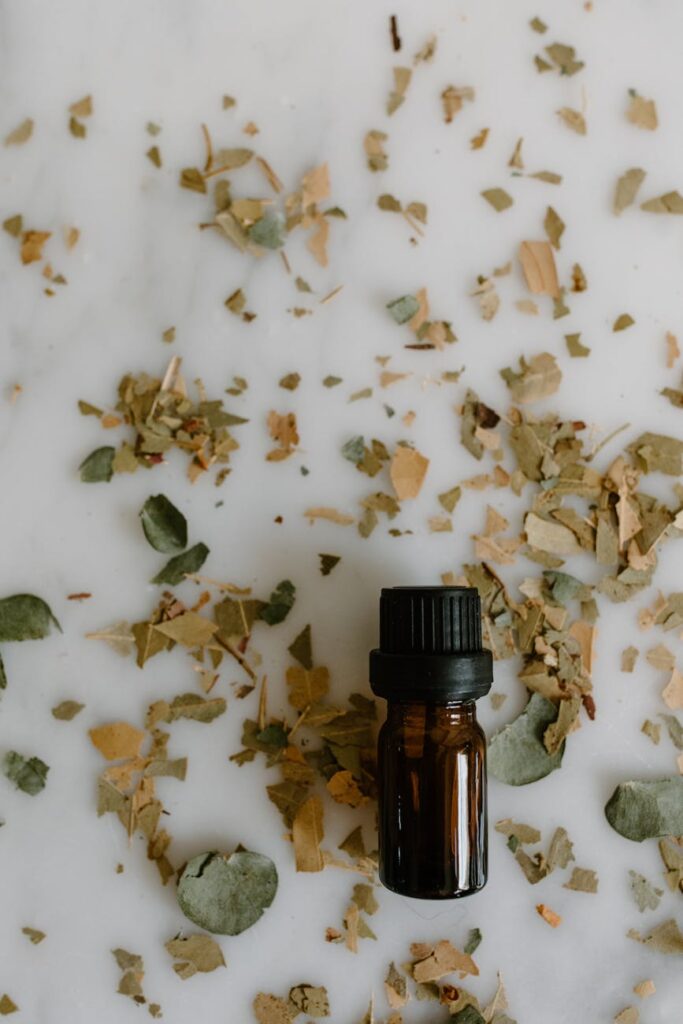
Is Cacao Extract Safe? Uses, Benefits, and Precautions
Introduction
Cacao extract, derived from the seeds of the Theobroma cacao tree, has been celebrated for centuries for its rich flavor and numerous health benefits. While cacao is most commonly associated with chocolate, its extract offers a concentrated form of the plant’s beneficial compounds, making it a popular ingredient in various applications, from culinary to wellness. This article aims to provide a comprehensive overview of cacao extract, exploring its properties, uses, and safety considerations.
What Is Cacao Extract?
Cacao extract is obtained from the raw seeds of the cacao tree, which are fermented, dried, and processed to extract their beneficial components. The two primary forms of cacao extract are:
1. Cacao Powder: Made by grinding roasted cacao beans, this powder retains many of the health benefits of the whole bean while providing a rich chocolate flavor.
2. Cacao Absolute or Essential Oil: This is a more concentrated form obtained through solvent extraction, capturing the aromatic properties of cacao.
Cacao extract is rich in flavonoids, theobromine, and other compounds that contribute to its unique flavor and potential health benefits.
Key Benefits and Properties
Cacao extract is celebrated for its potential health benefits, which include:
1. Rich in Antioxidants: Cacao is loaded with antioxidants, particularly flavonoids, which help combat oxidative stress in the body. This may contribute to overall health and well-being.
2. Mood Enhancer: The presence of compounds such as theobromine and phenylethylamine in cacao extract may promote feelings of happiness and well-being, making it a popular choice in mood-lifting formulations.
3. Heart Health: Some studies suggest that the flavonoids in cacao can support cardiovascular health by improving blood flow, lowering blood pressure, and reducing the risk of heart disease.
4. Cognitive Function: Emerging research indicates that cacao may have neuroprotective properties, potentially enhancing cognitive function and reducing the risk of neurodegenerative diseases.
5. Skin Benefits: The antioxidants in cacao extract may also be beneficial for skin health, providing hydration and protection against environmental stressors.
Common Uses
Cacao extract has a variety of applications, including:
1. Culinary Uses: Cacao powder is commonly used in baking, smoothies, and beverages. It adds a rich chocolate flavor while providing nutritional benefits.
2. Cosmetics and Skincare: Due to its antioxidant properties, cacao extract is often incorporated into skincare products, such as creams, masks, and body scrubs.
3. Aromatherapy: Cacao essential oil is used in aromatherapy for its uplifting properties, often blended with other essential oils to create soothing and invigorating experiences.
4. Nutritional Supplements: Some companies offer cacao extract in capsule or powdered form as a dietary supplement, marketed for its health benefits.
Aromatherapy Applications
In aromatherapy, cacao extract, particularly in its essential oil form, is valued for its unique aromatic profile and potential therapeutic properties. Its rich, chocolatey scent is often associated with feelings of warmth, comfort, and nostalgia.
Blending with Other Oils
Cacao essential oil can be blended with other essential oils to enhance its effects:
- Citrus Oils: Oils like orange and lemon can uplift mood and create an invigorating blend.
- Floral Oils: Lavender or rose can add calming properties, making it suitable for relaxation blends.
- Spices: Oils such as cinnamon or ginger can create a warm, comforting aroma perfect for cozy atmospheres.
Diffusion and Inhalation
Cacao extract can be used in diffusers or inhalers, promoting a sense of well-being and enhancing emotional states. However, due to its potency, it is advisable to dilute the oil before direct inhalation or topical application.
Safety Considerations
While cacao extract is generally considered safe for most people when used appropriately, there are several important considerations to keep in mind:
1. Allergies: Individuals with sensitivities to cacao or chocolate should avoid cacao extract. Allergic reactions, although rare, can occur.
2. Caffeine Sensitivity: Cacao contains theobromine, a compound similar to caffeine. People sensitive to caffeine may want to limit their intake of cacao products.
3. Pregnancy and Nursing: Pregnant and nursing individuals should consult with a healthcare professional before using cacao extract or any dietary supplements containing it.
4. Interactions with Medications: Cacao extract may interact with certain medications, particularly those affecting the cardiovascular system. It is essential to consult with a healthcare professional if you are taking medication.
5. Topical Use: When using cacao extract in cosmetics or skincare products, it is advisable to perform a patch test to check for any allergic reactions or skin sensitivity.
Storage and Shelf Life
To maintain the quality and efficacy of cacao extract, proper storage is essential:
1. Cool, Dark Place: Cacao extract should be stored in a cool, dark place away from heat and light, which can degrade its quality.
2. Sealed Container: Use an airtight container to prevent moisture and air exposure, which can lead to oxidation.
3. Expiration Date: Check for an expiration date on the packaging. Generally, cacao powder has a shelf life of about 2 to 3 years, while cacao essential oil can last for 1 to 2 years if stored correctly.
Frequently Asked Questions
1. Is cacao extract the same as cocoa powder?
Cacao extract refers to the raw, minimally processed form of cacao, while cocoa powder is made from roasted cacao beans. Cocoa powder typically has a more intense flavor and may contain fewer nutrients due to the roasting process.
2. Can I consume cacao extract daily?
Moderation is key. While cacao extract can be a nutritious addition to your diet, excessive consumption may lead to unwanted side effects, especially in individuals sensitive to theobromine.
3. How can I incorporate cacao extract into my diet?
Cacao powder can be easily added to smoothies, baked goods, or hot beverages. Ensure you choose high-quality, minimally processed cacao products for the best benefits.
4. Is cacao extract safe for children?
Cacao extract is generally regarded as safe for children in moderation. However, due to its caffeine-like properties, it is advisable to limit intake and consult with a healthcare professional if you have concerns.
5. Can cacao essential oil be used in cooking?
Cacao essential oil is primarily used for aromatherapy and should not be ingested unless specified by a qualified professional. For culinary purposes, cacao powder or cacao nibs are recommended.
Conclusion
Cacao extract is a versatile and beneficial ingredient with a rich history of use in culinary and wellness applications. While it offers numerous potential health benefits, it is essential to consider safety precautions and individual sensitivities. With proper storage and responsible use, cacao extract can be a delightful addition to a balanced lifestyle, enhancing both flavor and well-being.