
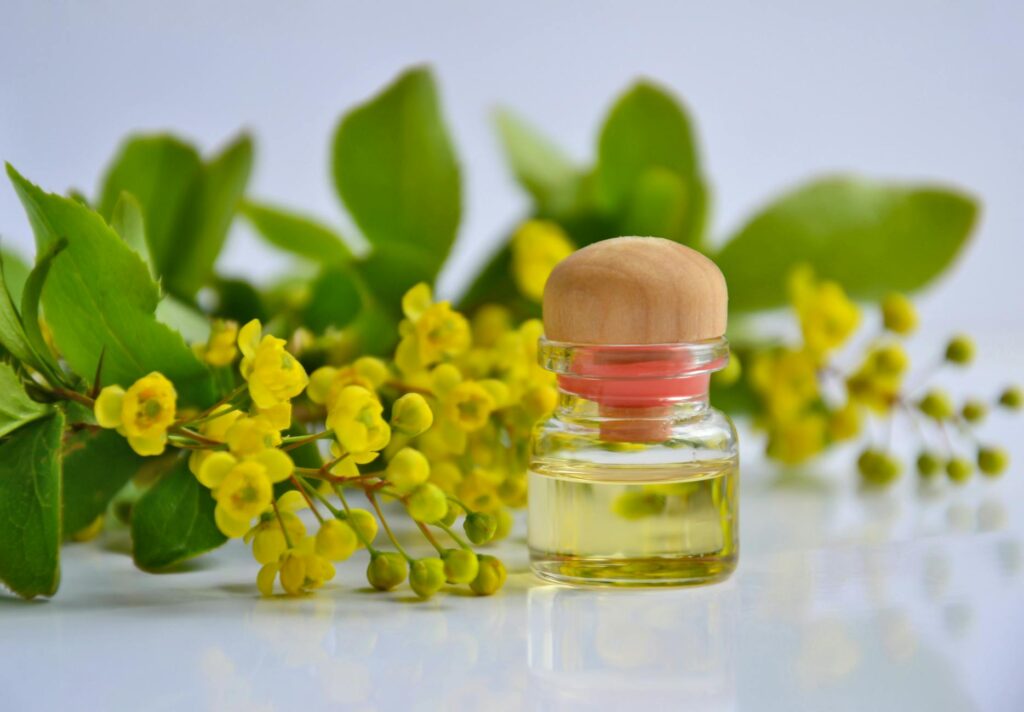
Is Cacay Oil Safe? Uses, Benefits and Precautions
Introduction
Cacay oil has gained attention in the world of natural beauty and wellness due to its impressive nutrient profile and potential benefits. Extracted from the nuts of the Cacay tree (Caryodendron orinocense), which is native to the Amazon rainforest, this oil is celebrated for its high concentrations of essential fatty acids, vitamins, and antioxidants. As its popularity increases, many are curious about its safety, uses, and benefits. This article will explore these aspects, providing a comprehensive overview of Cacay oil.
What Is Cacay Oil?
Cacay oil is derived from the seeds of the Cacay tree, a tropical tree that thrives in the Amazon Basin. The extraction process typically involves cold pressing the seeds, which helps retain the oil’s beneficial properties. Unlike other carrier oils, Cacay oil is renowned for its unique composition, which includes high levels of linoleic acid (omega-6), oleic acid (omega-9), and a significant amount of vitamin E and retinol.
The oil has a light texture and a mild, nutty aroma, making it an appealing choice for various applications, including skincare and aromatherapy.
Key Benefits and Properties
Cacay oil offers a multitude of benefits attributed to its rich nutrient composition:
1. High in Nutritional Value
Cacay oil is particularly rich in essential fatty acids, vitamins E and A, and antioxidants. These compounds can help nourish and protect the skin, making it suitable for various skin types.
2. Moisturizing Properties
Due to its high linoleic acid content, Cacay oil acts as an excellent moisturizer. It penetrates the skin easily, helping to hydrate and maintain the skin’s barrier function.
3. Anti-Aging Effects
The presence of retinol in Cacay oil has led to its popularity as an anti-aging ingredient. Retinol is known for its ability to promote skin cell turnover, reduce the appearance of fine lines, and improve skin texture.
4. Antioxidant-Rich
The antioxidants found in Cacay oil help combat oxidative stress, which can contribute to skin aging and other skin issues. By neutralizing free radicals, these antioxidants may help protect the skin from environmental damage.
5. Soothing Properties
Cacay oil has anti-inflammatory properties that may help soothe irritated skin, making it beneficial for individuals with sensitive skin or conditions such as eczema.
Common Uses
Cacay oil is versatile, making it suitable for various applications across the beauty and wellness spectrum:
1. Skincare
Cacay oil is commonly used in facial oils, serums, and moisturizers. Its lightweight nature allows it to be absorbed quickly, making it an excellent option for daily hydration.
2. Haircare
Cacay oil can be applied to hair to promote shine, reduce frizz, and nourish the scalp. It may also be beneficial in conditioning dry or damaged hair.
3. Massage Oil
Due to its smooth texture, Cacay oil is often used as a carrier oil in massage blends. It can enhance the benefits of essential oils while providing hydration to the skin.
4. Cosmetic Ingredient
Cacay oil is increasingly found in cosmetics and beauty products, including makeup, creams, and lotions, due to its skin-enhancing properties.
Aromatherapy Applications
In aromatherapy, Cacay oil can be used not only for its physical benefits but also for its emotional and mental effects. While it is not an essential oil, it can serve as a carrier oil for diluting essential oils, allowing for a broader range of applications in aromatherapy:
1. Blending with Essential Oils
Cacay oil’s mild aroma and skin-nourishing properties make it an excellent carrier for essential oils such as lavender, eucalyptus, or tea tree oil. This blend can enhance the therapeutic benefits of the essential oils while providing additional hydration.
2. Topical Applications
When combined with essential oils, Cacay oil can be applied topically to areas of concern. For instance, a blend of Cacay oil and lavender essential oil can be soothing for the skin after sun exposure.
3. Aromatic Experience
Although Cacay oil is not typically used for its scent, incorporating it into a diffuser blend can create a calming atmosphere when combined with fragrant essential oils.
Safety Considerations
While Cacay oil is generally considered safe for topical use, there are important precautions to keep in mind:
1. Patch Test
Before using Cacay oil for the first time, it is advisable to conduct a patch test. Apply a small amount of the oil to a discreet area of skin and wait 24 hours to check for any allergic reactions or irritation.
2. Dilution
For those with sensitive skin or for use in aromatherapy, Cacay oil should be diluted with a carrier oil, particularly when combined with essential oils. Ratios of 1:1 or 1:2 (essential oil to carrier oil) are commonly used.
3. Consultation with a Professional
Individuals with specific skin conditions or concerns should consult with a dermatologist or qualified professional before incorporating Cacay oil into their routines.
4. Pregnancy and Nursing
While there is limited research on the safety of Cacay oil during pregnancy and nursing, it is advisable to consult with a healthcare provider before use.
Storage and Shelf Life
Proper storage is essential to maintain the quality of Cacay oil. Here are some guidelines:
1. Cool, Dark Place
Store Cacay oil in a cool, dark place, away from direct sunlight and heat sources. This will help preserve its potency and prevent oxidation.
2. Sealed Container
Keep the oil in a tightly sealed container to protect it from air exposure, which can lead to rancidity.
3. Shelf Life
Cacay oil typically has a shelf life of around 12 to 24 months when stored properly. It’s advisable to check for any changes in smell or consistency before use.
Frequently Asked Questions
1. Is Cacay oil suitable for all skin types?
Cacay oil is generally well-tolerated by most skin types, including oily, dry, and sensitive skin. However, individual reactions may vary, so a patch test is recommended.
2. Can Cacay oil be used on the face?
Yes, Cacay oil is commonly used in facial skincare products due to its lightweight texture and moisturizing properties.
3. Does Cacay oil have any side effects?
While Cacay oil is considered safe for topical use, some individuals may experience irritation or allergic reactions. Conducting a patch test is advised.
4. Where can I purchase Cacay oil?
Cacay oil can be found in health food stores, specialty beauty shops, and online retailers. Ensure to purchase from reputable sources to guarantee quality.
5. Can Cacay oil replace other oils in skincare?
Cacay oil can be used alone or blended with other oils, but whether it should replace other oils depends on individual skincare needs and preferences.
Conclusion
Cacay oil offers a wealth of benefits and versatility, making it a valuable addition to skincare and aromatherapy. Its unique composition of essential fatty acids, vitamins, and antioxidants promotes hydration, anti-aging effects, and soothing properties. While generally safe for use, taking precautions such as patch testing and consulting with professionals is essential for optimal safety. By understanding its properties and applications, individuals can make informed choices about incorporating Cacay oil into their wellness routines.