
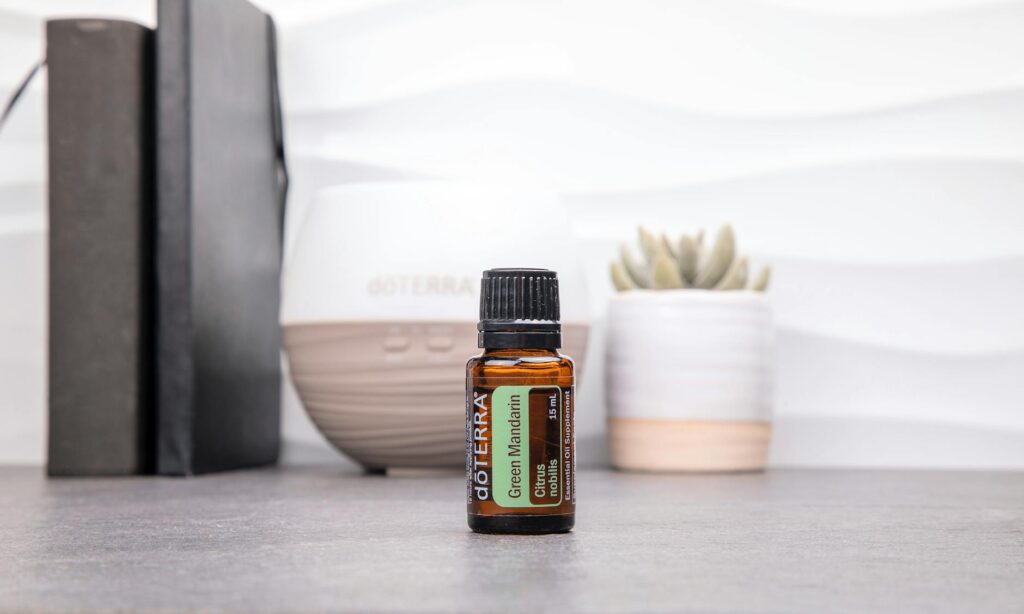
Is Cacti and Succulents Safe? Uses, Benefits, and Precautions
Introduction
Cacti and succulents have gained immense popularity in homes and gardens worldwide. Known for their striking appearances and low maintenance requirements, these plants are not just decorative; they also possess a range of beneficial properties. In this article, we explore the safety, uses, and precautions associated with cacti and succulents, providing a comprehensive overview suitable for enthusiasts, hobbyists, and those considering incorporating these plants into their lives.
What Is Cacti and Succulents?
Cacti and succulents belong to a broad category of plants that store water in their leaves, stems, or roots, allowing them to thrive in arid environments.
Cacti
Cacti are a subset of the family Cactaceae and are primarily native to the Americas. They are characterized by their thick, fleshy stems and spines or scales instead of leaves. Common examples include the Saguaro cactus (Carnegiea gigantea), the prickly pear (Opuntia spp.), and the barrel cactus (Ferocactus spp.).
Succulents
Succulents encompass a wider variety of plants, including those from different families, such as Crassulaceae, Euphorbiaceae, and Aizoaceae. Unlike cacti, succulents can have leaves, stems, or roots that are fleshy. Popular succulents include Aloe vera, Echeveria, and Sedum.
Both cacti and succulents have adapted to survive in dry conditions, making them ideal choices for indoor and outdoor gardening.
Key Benefits and Properties
Cacti and succulents offer several benefits that make them appealing to plant enthusiasts and casual gardeners alike.
Low Maintenance
These plants require minimal watering and care, making them suitable for busy lifestyles. They thrive in well-draining soil and need only occasional fertilization.
Air Purification
Certain species of succulents and cacti can help improve indoor air quality by filtering pollutants and releasing oxygen during the night.
Aesthetic Appeal
With their unique shapes, sizes, and colors, cacti and succulents can enhance the visual appeal of any space, from homes to offices.
Therapeutic Qualities
The presence of plants in living spaces has been associated with stress reduction and improved mental well-being. The act of caring for plants can also provide a sense of accomplishment and purpose.
Common Uses
Cacti and succulents are versatile plants that can be utilized in various ways:
Home Decor
These plants are often used in decorative arrangements, terrariums, and centerpieces, offering a modern aesthetic.
Gardening
Cacti and succulents can be incorporated into rock gardens, xeriscapes, or even as ground cover in arid regions.
Crafting
Dried cacti and succulents can be used in crafts, such as wreaths or arrangements, adding a natural touch to artistic projects.
Aromatherapy Applications
While cacti and succulents are not typically used for essential oils in the same way as other plants, they can still play a role in the realm of aromatherapy in indirect ways.
Aesthetic and Sensory Experience
The visual beauty of these plants can contribute to a calming environment, enhancing the overall sensory experience when combined with essential oils.
Emotional Well-being
The presence of cacti and succulents can create a serene atmosphere, aiding relaxation when combined with aromatic practices such as diffusing calming essential oils like lavender or chamomile.
Potential Uses in Skin Care
While not commonly used for their aromatic properties, some succulents, such as Aloe vera, are known for their soothing and hydrating effects on the skin. The gel from Aloe vera leaves can be applied topically to moisturize and calm irritated skin.
Safety Considerations
Though cacti and succulents are generally safe, there are important safety considerations to keep in mind.
Toxicity
Most cacti and succulents are non-toxic to humans and pets. However, a few species can be mildly toxic if ingested. For instance, some varieties of Euphorbia can cause skin irritation or gastrointestinal upset. It is essential to research specific plants before introducing them into your home.
Spines and Thorns
Many cacti have sharp spines or thorns that can cause injury. Caution should be exercised when handling these plants, particularly for children and pets.
Allergic Reactions
Some individuals may experience allergic reactions to the sap of certain succulents, such as those from the Euphorbia family. If you suspect an allergy, it is advisable to avoid contact and consult a medical professional.
Plant Care
Overwatering is a common issue with cacti and succulents, often leading to root rot. Ensure that you understand the watering needs of your plants and provide well-draining soil to prevent detrimental conditions.
Storage and Shelf Life
The longevity of cacti and succulents can vary based on their care and environmental conditions.
Proper Care
With appropriate care—adequate sunlight, proper watering, and suitable soil—cacti and succulents can thrive for many years, some even decades.
Dormancy
Many cacti and succulents enter a dormant phase during extreme heat or cold. During this time, their growth may slow, and watering should be reduced. Understanding the seasonal needs of your plants can help maximize their lifespan.
Propagation
One of the appealing aspects of cacti and succulents is their ability to be propagated easily. Many species can be grown from cuttings or offsets, allowing you to expand your collection or share with others.
Frequently Asked Questions
1. Are all cacti and succulents safe for pets?
While most cacti and succulents are non-toxic, some species can be harmful to pets if ingested. It is advisable to research specific plants and consult with a veterinarian regarding any concerns.
2. How often should I water my cacti and succulents?
Watering frequency depends on the plant species and environmental conditions. Generally, it is best to allow the soil to dry out between waterings, typically every 2-4 weeks in warm months and less frequently in winter.
3. Can cacti and succulents grow indoors?
Yes, cacti and succulents can thrive indoors, provided they receive adequate sunlight. A south or west-facing window is ideal.
4. What should I do if my succulent is wilting?
Wilting can indicate either overwatering or underwatering. Assess the soil moisture and adjust your watering practices accordingly. If the soil is soggy, allow it to dry out before watering again.
5. How can I propagate my cacti and succulents?
Propagation can be done through leaf or stem cuttings, offsets, or seeds, depending on the species. Ensure that cuttings are allowed to callous over for a few days before planting to reduce the risk of rot.
Conclusion
Cacti and succulents are not only charming additions to any space but also offer numerous benefits, from air purification to emotional well-being. While they are generally safe, it is crucial to be aware of specific species’ toxicity and proper care practices. By understanding their characteristics and needs, you can enjoy the beauty and versatility of these remarkable plants while ensuring a safe environment for all.