
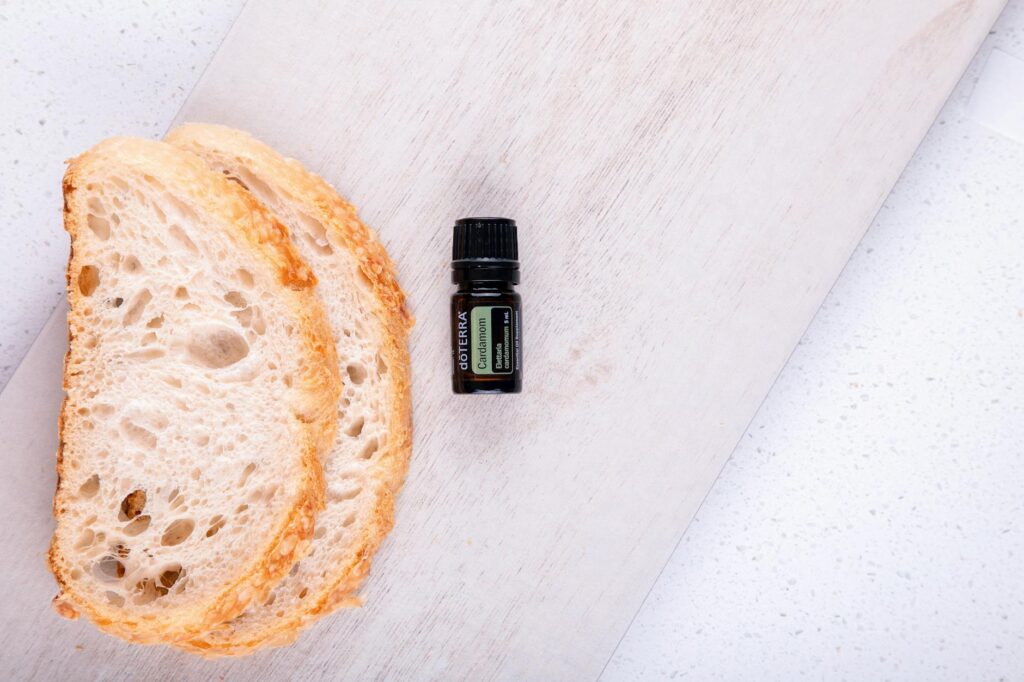
Is Cardamom Oil Safe? Uses, Benefits and Precautions
Introduction
Cardamom oil, derived from the seeds of the Elettaria cardamomum plant, has been cherished for centuries in various cultures for its aromatic and therapeutic properties. Often referred to as the “queen of spices,” cardamom not only enhances culinary dishes but also offers a plethora of benefits in the realms of aromatherapy and natural wellness. This article explores the essential aspects of cardamom oil, including its uses, benefits, precautions, and more.
What Is Cardamom Oil?
Cardamom oil is an essential oil extracted from the seeds of the cardamom plant, which is a member of the ginger family. The extraction process typically involves steam distillation, yielding a pale yellow to colorless oil that possesses a warm, spicy, and slightly sweet aroma. Cardamom is native to India, but it is now cultivated in several tropical regions around the world, including Central America and Southeast Asia.
The oil is rich in various chemical constituents, including terpenes, aldehydes, and alcohols, which contribute to its unique scent and therapeutic properties. Among its primary components are 1,8-cineole and alpha-terpineol, both of which play significant roles in its aromatic and therapeutic profiles.
Key Benefits and Properties
Cardamom oil is often lauded for its diverse range of benefits. While these benefits are largely anecdotal and rooted in traditional use, many people find them compelling. Here are some of its key properties:
- Antioxidant Properties: Cardamom oil is known to contain compounds that may help combat oxidative stress in the body, contributing to overall health and well-being.
- Digestive Support: Traditionally, cardamom has been used to aid digestion, and the essential oil is believed to carry some of these properties, potentially helping with bloating and discomfort.
- Mood Enhancement: The warm and spicy aroma of cardamom oil is thought to uplift mood and promote feelings of relaxation and comfort, making it a popular choice in aromatherapy.
- Antimicrobial Effects: Some studies suggest that cardamom oil may possess antimicrobial properties, potentially making it useful for maintaining cleanliness in various settings.
- Anti-inflammatory Effects: Cardamom oil is also thought to exhibit anti-inflammatory properties, which may be beneficial in reducing discomfort associated with certain conditions.
- Culinary Uses: Cardamom oil can be used in cooking and baking, adding flavor to dishes such as curries, desserts, and beverages. However, due to its potency, it should be used sparingly.
- Cosmetics and Personal Care: Many cosmetic formulations incorporate cardamom oil for its fragrance and potential skin benefits. It is often found in perfumes, lotions, and soaps.
- Household Cleaning: The antimicrobial properties of cardamom oil make it suitable for use in natural cleaning products. It can be added to homemade cleaners to enhance their effectiveness.
- Massage Therapy: When diluted in a carrier oil, cardamom oil can be used in massage to promote relaxation and relieve muscle tension.
- Diffusion: Adding a few drops of cardamom oil to a diffuser can create an inviting and warm atmosphere, ideal for relaxation and meditation.
- Inhalation: Cardamom oil can be inhaled directly from the bottle or added to a bowl of hot water for steam inhalation, promoting respiratory comfort and enhancing mood.
- Topical Application: When diluted with a carrier oil, cardamom oil can be applied to pulse points or massaged into the skin to reap its potential benefits.
- Dilution: Essential oils are highly concentrated and should always be diluted with a carrier oil before topical application. A common dilution ratio is 2-3 drops of essential oil per teaspoon of carrier oil.
- Skin Sensitivity: Conduct a patch test before using cardamom oil on the skin to ensure there is no adverse reaction. Apply a small amount of diluted oil to a discreet area and wait 24 hours to observe any irritation.
- Pregnancy and Nursing: Although cardamom is often used in cooking, pregnant or nursing individuals should exercise caution and consult with a healthcare provider before using essential oils.
- Allergies: Individuals with known allergies to cardamom or related plants should avoid using cardamom oil.
- Interactions with Medications: If you are taking medications or have underlying health conditions, consult a healthcare professional before using cardamom oil, as it may interact with certain medications.
- Storage Conditions: Store cardamom oil in a cool, dark place, away from direct sunlight and heat sources. A dark glass bottle is preferable for protection against light.
- Shelf Life: Typically, cardamom oil has a shelf life of 2 to 3 years when stored properly. However, always check for signs of degradation, such as a change in aroma or consistency, before use.
Common Uses
Cardamom oil has a variety of applications, both in everyday life and in more specialized settings. Here are some common uses:
Aromatherapy Applications
In the realm of aromatherapy, cardamom oil is valued for its uplifting and soothing properties. Here are some ways it can be used in this context:
Safety Considerations
While cardamom oil is generally considered safe for most people, there are several important precautions to keep in mind:
Storage and Shelf Life
Proper storage is crucial for preserving the quality of cardamom oil. Here are some guidelines:
Frequently Asked Questions
1. Can I ingest cardamom oil?
While cardamom oil is used in cooking, ingesting essential oils should be approached with caution. Always consult a healthcare professional before considering ingestion.
2. Is cardamom oil safe for children?
Cardamom oil may not be suitable for young children. If considering its use, consult with a pediatrician or a qualified aromatherapist for guidance.
3. How can I use cardamom oil for stress relief?
Diffusing cardamom oil in your living space or adding it to a warm bath may help promote relaxation. Always ensure the oil is diluted if applying it to the skin.
4. Can I use cardamom oil in cooking?
Yes, cardamom oil can be used in cooking, but due to its potency, it should be used sparingly. A few drops can add flavor to dishes, but it’s best to start with a small amount.
5. What other essential oils blend well with cardamom oil?
Cardamom oil pairs well with other warm and spicy oils such as cinnamon, ginger, and clove, as well as citrus oils like orange and lemon.
Conclusion
Cardamom oil is a versatile and aromatic essential oil that can enhance both culinary and therapeutic experiences. While it presents a range of potential benefits, it is crucial to use the oil safely and responsibly. By understanding its properties, applications, and precautions, individuals can incorporate cardamom oil into their lives meaningfully and enjoyably. Always consult with professionals when in doubt, ensuring a safe and enriching experience with this remarkable oil.