
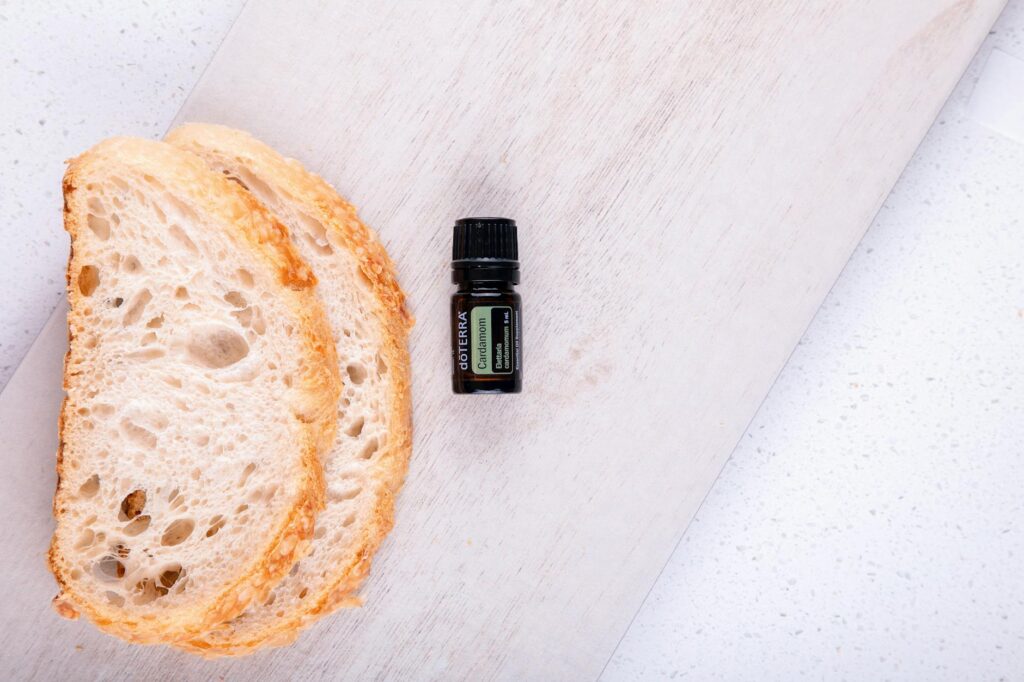
Is Cardamom Oil Safety Safe? Uses, Benefits and Precautions
Introduction
Cardamom oil, derived from the seeds of the Elettaria cardamomum plant, has been cherished for centuries for its distinct flavor and aromatic properties. As a staple in both culinary and medicinal applications, cardamom oil has gained popularity in the world of aromatherapy and natural wellness. This article delves into the safety of cardamom oil, exploring its benefits, common uses, and important precautions to consider.
What Is Cardamom Oil Safety?
Cardamom oil is extracted through steam distillation of the seeds from the cardamom plant. It possesses a warm, spicy, and slightly sweet aroma, making it a favored choice in both perfumery and holistic health practices. Safety is a crucial aspect when using essential oils, and cardamom oil is generally recognized as safe for use when applied properly.
However, as with any essential oil, understanding its properties, potential effects, and precautions is vital. Cardamom oil is typically considered safe for topical use when diluted with a carrier oil, and it can be used in diffusers or inhalation methods. Nonetheless, certain populations may need to exercise caution.
Key Benefits and Properties
Cardamom oil boasts a range of beneficial properties, making it a valuable addition to various wellness practices. Some of the key benefits include:
1. Antioxidant Properties
Cardamom oil contains compounds that exhibit antioxidant effects, which can help neutralize free radicals and protect the body from oxidative stress.
2. Digestive Aid
Traditionally, cardamom has been used to support digestive health. Its oil may help in alleviating discomfort associated with indigestion and bloating.
3. Anti-inflammatory Effects
The oil has been noted for its potential anti-inflammatory properties, which may contribute to soothing discomfort and promoting overall wellness.
4. Mood Enhancer
Cardamom oil’s uplifting scent may help to improve mood and reduce feelings of anxiety or stress. Its aromatic profile is often associated with a sense of calm and relaxation.
5. Antimicrobial Activity
Research suggests that cardamom oil may possess antimicrobial properties, which could aid in combating various pathogens.
Common Uses
Cardamom oil is versatile and can be employed in various contexts, including:
- Culinary Uses: As a flavoring agent in both sweet and savory dishes, cardamom oil adds a unique taste and aroma.
- Perfumery: Its fragrant profile makes it a popular ingredient in perfumes and scented candles.
- Massage: When diluted with a carrier oil, cardamom oil can be used in massage therapy to enhance relaxation and relieve tension.
- Health and Wellness: Cardamom oil is often included in blends aimed at promoting digestive health and emotional well-being.
- Storage: Store cardamom oil in a cool, dark place away from direct sunlight. A tightly sealed amber or cobalt glass bottle can help protect the oil from light and oxidation.
- Shelf Life: When stored correctly, cardamom oil can last up to three to five years. However, it’s essential to check for changes in aroma, color, or consistency, as these may indicate that the oil has gone rancid.
Aromatherapy Applications
In aromatherapy, cardamom oil can be used in various ways:
1. Diffusion
Adding a few drops of cardamom oil to a diffuser can create an inviting atmosphere, enhancing mood and promoting relaxation.
2. Inhalation
Inhaling cardamom oil directly from the bottle or applying it to a tissue can provide quick relief from stress and anxiety.
3. Baths
Adding cardamom oil to a warm bath can create a soothing experience, promoting relaxation and comfort.
4. Topical Application
When diluted with a carrier oil, cardamom oil can be applied to specific areas of the body to alleviate tension and discomfort.
Safety Considerations
While cardamom oil is widely regarded as safe, there are several safety considerations to keep in mind:
1. Skin Sensitivity
Essential oils can cause skin irritation in some individuals. It is advisable to conduct a patch test before using cardamom oil topically. Diluting the oil with a carrier oil (such as coconut or jojoba oil) can help mitigate potential irritation.
2. Pregnancy and Nursing
Pregnant or nursing individuals should consult with a healthcare professional before using cardamom oil, as some essential oils may affect hormonal balance.
3. Allergic Reactions
Those with allergies to cardamom or related plants should avoid using cardamom oil. Symptoms of an allergic reaction may include rash, swelling, or respiratory issues.
4. Interactions with Medications
Individuals taking medications, particularly those affecting blood pressure or blood sugar levels, should seek advice from a healthcare provider before using cardamom oil, as it may interact with certain medications.
5. Children
Caution should be exercised when using essential oils around children. Always consult a healthcare professional regarding the safety and appropriate use of cardamom oil for children.
Storage and Shelf Life
To maximize the shelf life and efficacy of cardamom oil, proper storage is essential. Here are some guidelines:
Frequently Asked Questions
1. Can cardamom oil be ingested?
While cardamom oil is used in culinary applications, ingestion should be done with caution. It is advisable to consult a healthcare provider or a qualified aromatherapist before considering ingestion.
2. Is cardamom oil safe for pets?
Essential oils can be toxic to pets, especially cats and dogs. It is best to avoid using cardamom oil around pets and consult a veterinarian for safe alternatives.
3. Can I use cardamom oil for cooking?
Cardamom oil can be used as a flavoring in cooking; however, it is concentrated and should be used sparingly. It is often preferred to use the whole spice or ground cardamom for culinary purposes.
4. How should I dilute cardamom oil for topical use?
A common dilution ratio is 2-3 drops of essential oil per teaspoon of carrier oil. Adjust the dilution according to personal sensitivity and preference.
5. Does cardamom oil have any contraindications?
Individuals with specific health conditions or those taking certain medications should consult a healthcare provider before using cardamom oil to avoid potential interactions.
Conclusion
Cardamom oil offers a delightful aroma and a range of potential benefits, making it a popular choice in aromatherapy and natural wellness practices. While generally considered safe when used appropriately, understanding the precautions and safety considerations is essential for a positive experience. Always prioritize safety and seek guidance when necessary to fully enjoy the benefits of this remarkable essential oil.