
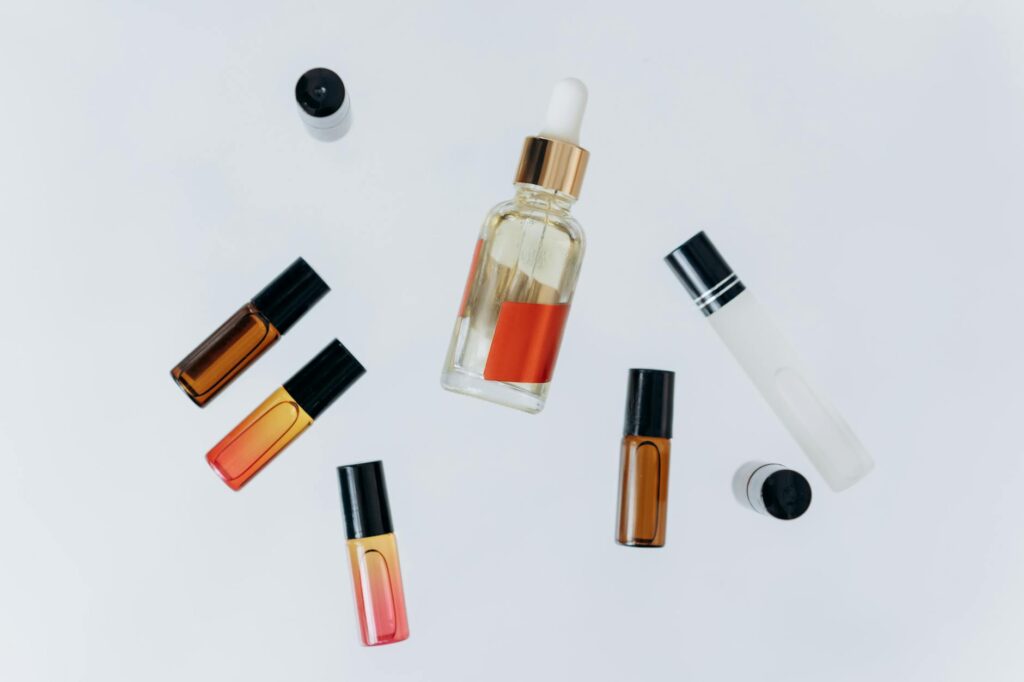
Is Carrier Oils Safe? Uses, Benefits and Precautions
Introduction
Carrier oils are an integral part of the world of aromatherapy and essential oils. As more individuals explore natural alternatives for wellness and self-care, understanding the role, benefits, and safe practices surrounding carrier oils has become increasingly important. This article delves into the nature of carrier oils, their uses, benefits, and essential safety considerations, allowing you to navigate this fragrant realm with confidence.
What Are Carrier Oils?
Carrier oils are vegetable oils derived from the fatty portions of plants, typically extracted from seeds, nuts, or kernels. They are used primarily to dilute essential oils and facilitate their application on the skin. Unlike essential oils, which are highly concentrated and volatile, carrier oils are non-volatile and do not evaporate quickly. This characteristic makes them suitable for skin application, as they help to “carry” the essential oils into the skin without causing irritation.
Common examples of carrier oils include:
- Sweet Almond Oil: Rich in vitamins A and E, it is suitable for all skin types.
- Coconut Oil: Known for its moisturizing properties and pleasant scent.
- Jojoba Oil: Mimics the skin’s natural sebum, making it ideal for oily skin.
- Grapeseed Oil: Lightweight and high in linoleic acid, suitable for sensitive skin.
- Dilution of Essential Oils: When incorporating essential oils into your regimen, carrier oils are used to dilute these potent substances for safe application. A typical dilution ratio is 1-2 drops of essential oil per teaspoon of carrier oil.
- Massage: Due to their smooth consistency, carrier oils are often used as massage oils, providing glide and nourishment to the skin.
- Skin Care: Carrier oils can be used in formulations for various skin conditions, including dryness, irritation, and signs of aging. Some oils, like rosehip and argan oil, are particularly popular for their rejuvenating properties.
- Hair Care: Many individuals apply carrier oils to hair for hydration, shine, and nourishment. Coconut oil, for instance, is often used as a deep conditioner.
- Baths: Adding carrier oils to a warm bath can enhance moisture and provide a soothing experience.
- Topical Application: Blending essential oils with carrier oils allows for direct application to the skin, targeting specific areas of concern, such as muscle tension or skin irritations.
- Diffusion: While carrier oils are not typically used in diffusers, they can be mixed with essential oils for creating scented massage oils or oils for personal inhalation.
- Inhalation: Carrier oils can be applied to pulse points (like wrists or temples) to facilitate inhalation of essential oils, providing a calming or invigorating experience.
- Cool, Dark Environment: Store carrier oils in a cool, dark cupboard or refrigerator to prevent oxidation and rancidity.
- Tightly Sealed Containers: Keep carrier oils in glass or dark plastic containers with tight-fitting lids to protect them from light and air exposure.
- Shelf Life: The shelf life of carrier oils varies. Generally, oils like jojoba have a longer shelf life (up to 5 years), while oils like flaxseed and hemp may last only 6 months to a year. Always check for rancidity before use—signs include off smells or changes in color or texture.
Key Benefits and Properties
Carrier oils offer numerous benefits that enhance the efficacy of essential oils and contribute to skin health. Some key properties include:
1. Moisturizing: Carrier oils provide hydration to the skin, helping to prevent dryness and improve texture.
2. Nutrient-Rich: Many carrier oils contain essential fatty acids, vitamins, and antioxidants that nourish the skin.
3. Non-Irritating: Unlike essential oils, which can be irritating in their concentrated form, carrier oils are generally mild and safe for topical use.
4. Versatility: Carrier oils can be used alone or blended with essential oils, making them adaptable to various skincare routines and therapeutic applications.
5. Compatibility: They can enhance the absorption of essential oils, allowing for a more effective therapeutic experience.
By understanding the benefits and properties of different carrier oils, you can choose the most suitable ones for your individual needs, whether for skincare, massage, or aromatherapy.
Common Uses
Carrier oils serve a variety of purposes in personal care and wellness. Some common uses include:
Aromatherapy Applications
In the realm of aromatherapy, carrier oils play a crucial role in delivering essential oils effectively. When essential oils are combined with carrier oils, they can be used in various applications:
Understanding how to incorporate carrier oils in aromatherapy enhances the benefits of essential oils while ensuring safety and efficacy.
Safety Considerations
While carrier oils are generally safe for most individuals, it is essential to keep certain safety considerations in mind:
1. Allergic Reactions: Some individuals may be allergic to specific carrier oils. It is advisable to conduct a patch test before full application. Apply a small amount of the diluted oil to a small area of skin and observe for any adverse reactions.
2. Quality Matters: Always choose high-quality, organic, and cold-pressed carrier oils to ensure purity and efficacy. Poor quality oils may contain additives or impurities that can be harmful.
3. Storage: Carrier oils can go rancid over time, particularly those high in polyunsaturated fats. Store them in a cool, dark place in a tightly sealed container to prolong their shelf life.
4. Dilution Ratios: When blending with essential oils, adhering to recommended dilution ratios is vital to prevent skin irritation.
5. Consultation: If you are pregnant, nursing, or have underlying health conditions, consult a healthcare professional before using carrier oils or essential oils.
6. Avoiding Photosensitivity: Certain carrier oils, particularly citrus-based ones, can increase the skin’s sensitivity to sunlight. Avoid sun exposure after applying these oils.
By following these safety considerations, you can enjoy the benefits of carrier oils while minimizing potential risks.
Storage and Shelf Life
Proper storage of carrier oils is essential for maintaining their quality and extending their shelf life. Here are some tips:
Being aware of these storage practices will help you maintain the quality and effectiveness of your carrier oils for an extended period.
Frequently Asked Questions
1. Can I use carrier oils without essential oils?
Yes, carrier oils can be used alone for moisturizing and nourishing the skin or hair. They provide hydration and can be beneficial on their own.
2. Are carrier oils safe for sensitive skin?
Most carrier oils are gentle and safe for sensitive skin. However, it is always advisable to perform a patch test first to check for potential allergic reactions.
3. How do I choose the right carrier oil for my skin type?
Consider your skin type and needs. For oily skin, lighter oils like grapeseed or jojoba are ideal, while drier skin may benefit from richer oils like avocado or olive oil.
4. Can I mix different carrier oils?
Yes, blending carrier oils can create a custom formulation tailored to your skin’s needs. Just ensure that the oils you choose are compatible.
5. Is there an expiration date for carrier oils?
Yes, carrier oils have a shelf life, which varies depending on the type of oil. Always check the bottle for a “best by” date and be mindful of signs of rancidity.
Conclusion
Carrier oils are versatile and beneficial components of holistic wellness practices, particularly in aromatherapy. By understanding their properties, uses, and safety considerations, individuals can incorporate them into their routines with confidence. Embracing the natural benefits of carrier oils allows for a more enriching and effective experience in personal care, promoting overall well-being and skin health.