
Is Carrot Seed Oil Safe? Uses, Benefits and Precautions
Introduction
Carrot seed oil, derived from the seeds of the Daucus carota plant, has gained popularity in the realms of aromatherapy and natural skincare. Renowned for its unique properties, this essential oil is often employed for its potential benefits, ranging from skin rejuvenation to emotional well-being. However, like all essential oils, it is essential to consider its safety and proper usage. This article aims to provide a comprehensive overview of carrot seed oil, including its benefits, applications, and precautions.
What Is Carrot Seed Oil?
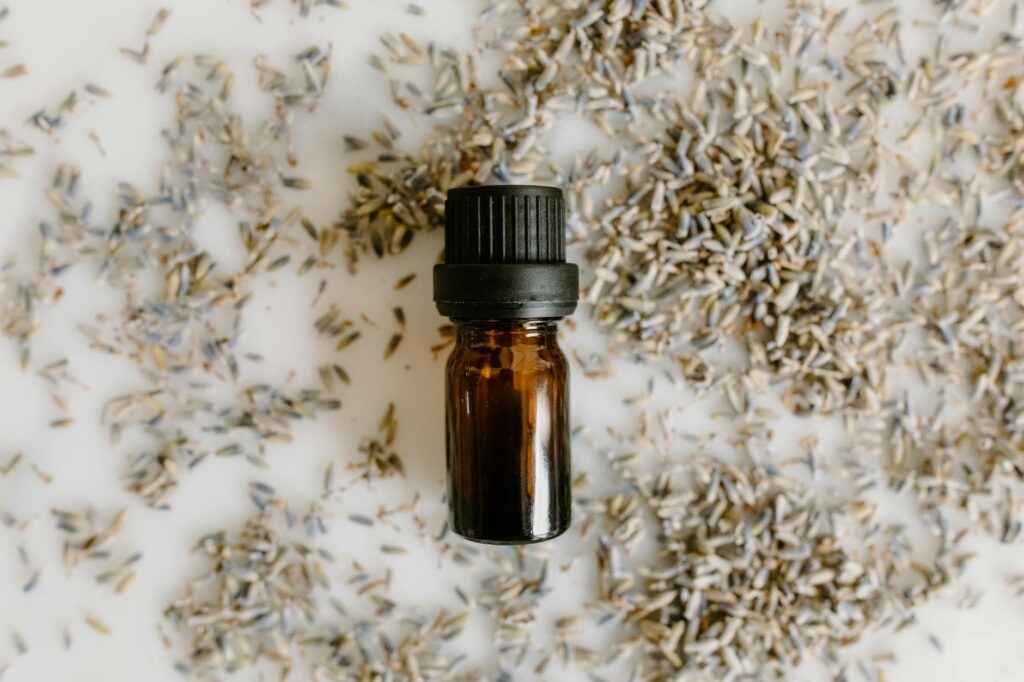
Carrot seed oil is extracted from the seeds of the wild carrot plant, commonly known as Queen Anne’s Lace. The extraction process typically involves steam distillation, resulting in a rich, amber-colored oil with a warm, earthy aroma. The oil is distinct from carrot oil, which is derived from the roots of the carrot plant and is used for its culinary properties.
Carrot seed oil has been utilized for centuries in various cultures for its therapeutic and cosmetic applications. Its composition includes a variety of beneficial compounds such as carotol, beta-carotene, and other phytochemicals, contributing to its diverse uses.
Key Benefits and Properties
Carrot seed oil is celebrated for its numerous benefits, particularly in skin care and emotional wellness. Some of its key properties include:
1. Skin Rejuvenation
Carrot seed oil is often praised for its hydrating and nourishing properties. It is rich in antioxidants, which help combat oxidative stress and promote skin health. Its potential regenerative qualities may assist in the healing of scars and blemishes.
2. Anti-inflammatory Effects
The oil possesses anti-inflammatory properties that may help soothe irritated skin. This makes it beneficial for conditions such as eczema and dermatitis, where inflammation is a primary concern.
3. Antimicrobial Activity
Research has indicated that carrot seed oil may exhibit antimicrobial properties, potentially making it effective against certain bacteria and fungi. This property can help maintain skin health by preventing infections.
4. Emotional Well-being
In aromatherapy, carrot seed oil is often used to promote relaxation and emotional balance. Its warm, earthy aroma is believed to help alleviate feelings of anxiety and stress, fostering a sense of calm.
5. Detoxification
Some advocates suggest that carrot seed oil may support the body’s natural detoxification processes. Its potential diuretic properties might aid in the elimination of toxins, although further research is needed to substantiate these claims.
Common Uses
Carrot seed oil can be found in various applications, including:
1. Skincare Products
Due to its nourishing properties, carrot seed oil is a popular ingredient in lotions, creams, and serums. It can be used to enhance skin hydration and improve texture.
2. Hair Care
In hair care formulations, carrot seed oil may be included to promote healthy hair growth and shine. Its moisturizing properties can help combat dryness and split ends.
3. Aromatherapy Blends
Carrot seed oil is often included in essential oil blends for its calming effects. It can be diffused in a room or added to bath products for a relaxing experience.
4. Massage Oils
When diluted with a carrier oil, carrot seed oil can be used as a massage oil. Its anti-inflammatory properties may help soothe sore muscles and joints.
Aromatherapy Applications
In aromatherapy, carrot seed oil is frequently utilized for its grounding and stabilizing qualities. Here are some common applications:
1. Diffusion
Adding a few drops of carrot seed oil to a diffuser can create a calming atmosphere. It blends well with other essential oils, such as lavender or bergamot, enhancing its effects.
2. Inhalation
Inhalation of carrot seed oil can be achieved by placing a few drops on a tissue or in a personal inhaler. This method allows for quick access to its calming aroma, especially during moments of stress.
3. Bath Additive
Incorporating carrot seed oil into bath water can enhance relaxation. It is advisable to dilute the oil in a carrier oil before adding it to the bath to prevent skin irritation.
Safety Considerations
While carrot seed oil is generally regarded as safe for topical and aromatic use, some precautions should be observed:
1. Skin Sensitivity
Before using carrot seed oil on the skin, it is advisable to perform a patch test. Dilute the oil with a carrier oil and apply a small amount to a discreet area to check for any adverse reactions.
2. Pregnancy and Nursing
Pregnant and nursing individuals should consult with a qualified health professional before using carrot seed oil, as its effects during these periods are not well-studied.
3. Allergies
Individuals with known allergies to plants in the Apiaceae family (which includes carrots, parsley, and celery) should exercise caution when using carrot seed oil, as it may trigger allergic reactions.
4. Dilution
Carrot seed oil should be diluted with a carrier oil, such as jojoba or sweet almond oil, before topical application to reduce the risk of skin irritation.
5. Storage
Proper storage is crucial to maintain the integrity of carrot seed oil. It should be kept in a cool, dark place, away from direct sunlight and heat sources.
Storage and Shelf Life
Carrot seed oil typically has a shelf life of 1 to 2 years when stored correctly. To maximize its longevity:
- Store the oil in a dark glass bottle to protect it from light.
- Keep it tightly sealed to prevent oxidation.
- Avoid exposure to high temperatures and humidity.
Regularly check the oil for any changes in aroma, color, or consistency, as these can indicate degradation.
Frequently Asked Questions
1. Can carrot seed oil be ingested?
While some essential oils are safe for culinary use, it is generally recommended to avoid ingesting carrot seed oil without the guidance of a qualified healthcare provider.
2. Is carrot seed oil suitable for all skin types?
Carrot seed oil is often considered suitable for most skin types, but those with sensitive skin should perform a patch test before widespread use.
3. How often can I use carrot seed oil?
The frequency of use depends on individual preferences and skin sensitivity. For topical applications, starting with a few times a week is advisable, gradually increasing as tolerated.
4. Can carrot seed oil be used for acne-prone skin?
Carrot seed oil’s anti-inflammatory and antimicrobial properties may benefit acne-prone skin, but individual responses can vary. A patch test is recommended before regular use.
5. What other essential oils blend well with carrot seed oil?
Carrot seed oil pairs well with other essential oils such as lavender, geranium, and frankincense, enhancing its aromatic and therapeutic effects.
Conclusion
Carrot seed oil is a versatile essential oil that offers a range of benefits, particularly in skincare and emotional wellness. While it is generally considered safe for use, it is essential to observe proper precautions, including dilution and patch testing. With its rich history and diverse applications, carrot seed oil can be a valuable addition to a holistic wellness routine, provided it is used thoughtfully and responsibly.