
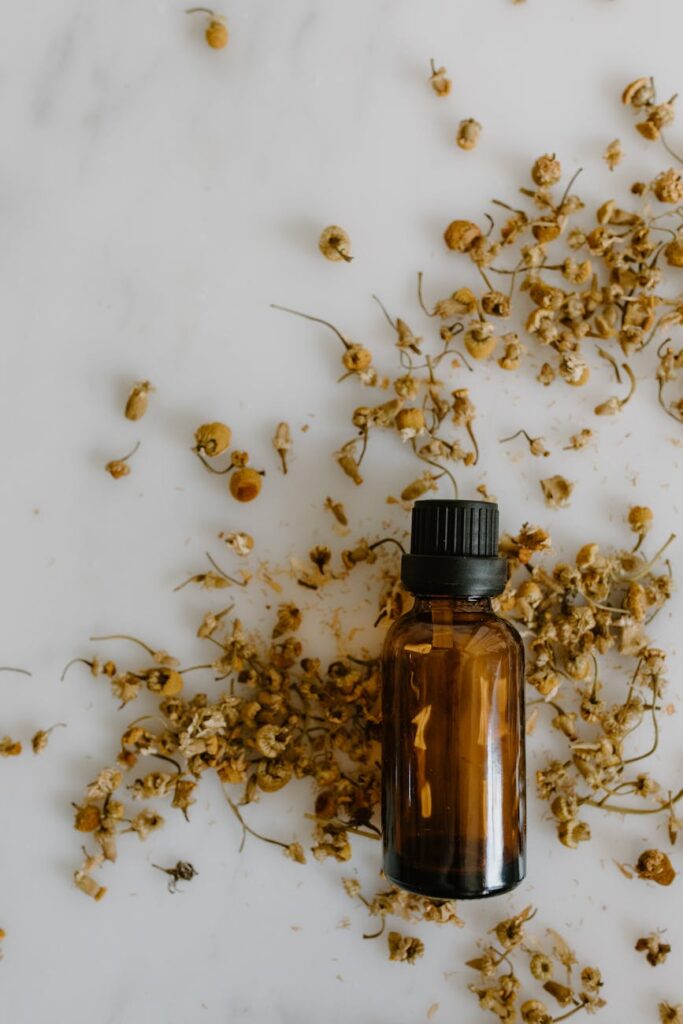
Is Chamomile Oil Safe? Uses, Benefits and Precautions
Introduction
Chamomile oil, derived from the flowers of the chamomile plant, has been cherished for centuries for its soothing properties and delightful aroma. With its rising popularity in the field of aromatherapy and natural wellness, many individuals are exploring the potential benefits and uses of this essential oil. However, as with any natural product, it is essential to understand its properties, applications, and safety considerations.
What Is Chamomile Oil?
Chamomile oil is extracted from the flowers of two primary species: Matricaria chamomilla (German chamomile) and Chamaemelum nobile (Roman chamomile). Each species has its unique composition, but both are celebrated for their calming effects and floral fragrance. The extraction process typically involves steam distillation, which captures the aromatic compounds while retaining the oil’s therapeutic properties.
Chamomile oil contains various active constituents, including chamazulene, bisabolol, and flavonoids, which contribute to its distinctive scent and medicinal qualities.
Key Benefits and Properties
Chamomile oil is renowned for several beneficial properties:
- Anti-Inflammatory: Chamomile oil may help reduce inflammation, making it a popular choice for soothing skin irritations and redness.
- Calming Effects: Known for its ability to promote relaxation, chamomile oil is often used to alleviate stress and anxiety.
- Antioxidant: The oil contains antioxidants that can help combat oxidative stress in the body, promoting overall health.
- Antimicrobial: Chamomile oil has been recognized for its potential antimicrobial properties, which could support skin health.
- Digestive Support: Traditionally, chamomile has been associated with digestive health, potentially aiding in the relief of discomfort after meals.
- Skin Care: Due to its soothing properties, chamomile oil is often used in cosmetic formulations and DIY skincare products. It may help calm irritated skin and reduce redness.
- Stress Relief: Many individuals incorporate chamomile oil into their relaxation routines, whether through inhalation, massage, or bath preparations.
- Sleep Aid: Chamomile oil is popularly used to support restful sleep, making it a common addition to bedtime routines.
- Hair Care: Some formulations include chamomile oil to enhance hair shine and soothe the scalp.
- Household Uses: Chamomile oil can be used in natural cleaning products or as an air freshener due to its pleasant aroma.
- Diffusion: Using an essential oil diffuser, chamomile oil can be dispersed into the air, promoting a peaceful environment.
- Topical Application: When diluted with a carrier oil, chamomile oil may be applied to the skin for localized benefits.
- Bathing: Adding chamomile oil to bathwater can enhance relaxation and provide an aromatic experience.
- Skin Sensitivity: Some individuals may experience allergic reactions or skin irritation when using chamomile oil topically. It is advisable to perform a patch test before widespread use.
- Pregnancy and Breastfeeding: Pregnant and breastfeeding women should consult with a healthcare professional before using chamomile oil, as its effects during these periods are not well-studied.
- Allergies: Those with allergies to plants in the Asteraceae family (such as ragweed, marigolds, or daisies) may be more prone to allergic reactions with chamomile oil and should exercise caution.
- Medication Interactions: Chamomile oil may interact with certain medications, particularly blood thinners and sedatives. Consultation with a healthcare provider is recommended if you are taking medication.
- Children: Chamomile oil should be used cautiously around children. It is advisable to consult a healthcare professional for appropriate use in younger populations.
- Cool, Dark Place: Store chamomile oil in a cool, dark environment away from direct sunlight. Exposure to light and heat can degrade the oil’s quality.
- Tightly Sealed Containers: Keep the oil in a tightly sealed container to prevent oxidation and contamination.
- Shelf Life: Chamomile oil typically has a shelf life of 1-3 years, depending on storage conditions and the quality of the oil. Always check for changes in color, aroma, or consistency before use.
Common Uses
Chamomile oil has a wide array of applications, some of which include:
Aromatherapy Applications
In the realm of aromatherapy, chamomile oil is frequently utilized for its calming and balancing effects. It can be diffused in a room to create a serene atmosphere or added to massage oils for relaxation. Some common methods of application include:
Safety Considerations
While chamomile oil is generally considered safe for many individuals, there are important precautions to keep in mind:
Storage and Shelf Life
To ensure the longevity and efficacy of chamomile oil, proper storage is essential:
Frequently Asked Questions
1. Can I ingest chamomile oil?
Chamomile oil is primarily intended for external use and aromatherapy. Ingesting essential oils can be risky and should only be done under the guidance of a qualified healthcare professional.
2. Is chamomile oil safe for pets?
Chamomile oil should be used cautiously around pets. Some essential oils can be toxic to animals, so it is best to consult a veterinarian before use.
3. How do I dilute chamomile oil for topical application?
A common dilution ratio is 2-3 drops of chamomile oil per teaspoon of carrier oil (such as jojoba, coconut, or almond oil). Adjust as necessary based on individual sensitivity.
4. Can I mix chamomile oil with other essential oils?
Yes, chamomile oil blends well with several other essential oils, including lavender, bergamot, and frankincense. Experimenting with different combinations can create unique aromatic experiences.
5. How can I use chamomile oil for better sleep?
For promoting better sleep, consider adding a few drops of chamomile oil to a diffuser in your bedroom or adding it to your bath before bedtime.
Conclusion
Chamomile oil is a versatile and valuable addition to the world of essential oils and aromatherapy. With its calming effects, potential skin benefits, and delightful aroma, it can enhance relaxation and well-being. However, as with any natural remedy, it is vital to approach its use with caution, considering individual sensitivities and potential interactions. By understanding its properties and safety considerations, users can make informed decisions about incorporating chamomile oil into their routines.